Eating more fruits and vegetables- and less animal fat – is good for health. But did you known that particular fruits offer observable health benefits that can be measured in the laboratory? Some examples of what fruits can extend your life – and what science says about them:

 Eat something orange:
Studies show that people who eat the most beta-carotene in fruits and vegetables – smokers included – are less at risk of getting cancer and heart disease. Try oranges, kumquats, strawberries or other yellow or orange fruits for maximum benefit.
 Stock up on vitamin C:
Especially if you’re diabetic. Here ‘s why; An Italian study of adult – onset diabetics found that those who took 1,000 mg of vitamin C supplements daily for four months had lower levels of total and LDL cholesterol ( bad cholesterol) , triglycerides and fasting insulin. High – C treasure include grapes, strawberries and oranges.
It is also believed that vitamin C can have a small but significant effect on lowering blood pressure.
 Let your motto be ‘more tomato’:
A California study of 88 American nuns (aged 77 to 98) found those with the highest blood levels of lycopene- a carotenoid compound found mainly tomatoes and tomato products – were the least likely to need help with activities like bathing , dressing and walking . Studies also show lower rates of colon and prostate cancer in people who eat tomato products every day.
 Root for strawberries:
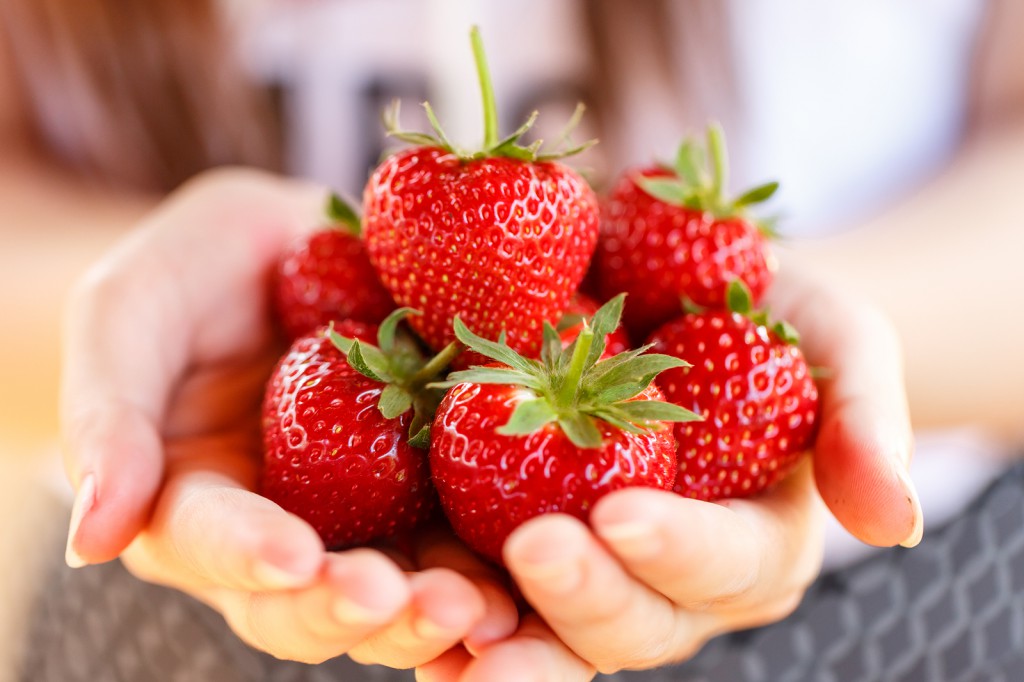
When scientists measured total free – radical zapping power from the combined antioxidants in each of 12 common fruits they found that strawberries contain the most C and E vitamins, carotenoids (like beneficial beta-carotene), and a slew of other compounds .
 Get fresh:
Go ahead; Eat fruit…. Fresh fruit! In huge, 17-year-old study of 10,771 health – conscious eaters in England, Scotland and Wales, those who ate fresh fruit every day had 24 per cent less chance of a fatal heart attack, 32 per cent less chance of fatal stroke and 21 per cent less chance of dying from any natural causes, as compared to those who ate no fruit.
 It’s raining raisins:
When raisin snacks are added to an other wise low – fibre diet , the average time it takes waste to move through your gastro- intestinal tract is cut in half – from two days to one . You might get the same effect form eating grapes. But to equal a handful of raisins, you’d need more than a cup of grapes, not exactly handy for stuffing in your handbag.
 Fruit or juice?
Fruit juice is a simple carbohydrate, possibly with natural or added vitamin C. It lacks the protein, fat and many micronutrients that children need for growth. It’s also lower in calories than milk and many foods. Your children might be compromising their health if they‘re substituting fruit juice for milk, meals and whole fruit.
 Don’t avoid bioflavonoid:
Bioflavonoids are chemical compounds related to vitamin C that may neutralise LDL cholesterol and reduce the tendency or red blood cells to stick together and block arteries. They‘re found in nearly all plants, so fruits and veggies are likely to be good sources. The more bioflavonoids you consume – you also get them form tea, onions and apples – the less likely you are to get heart disease.
 Do nitrosamines ring a bell?
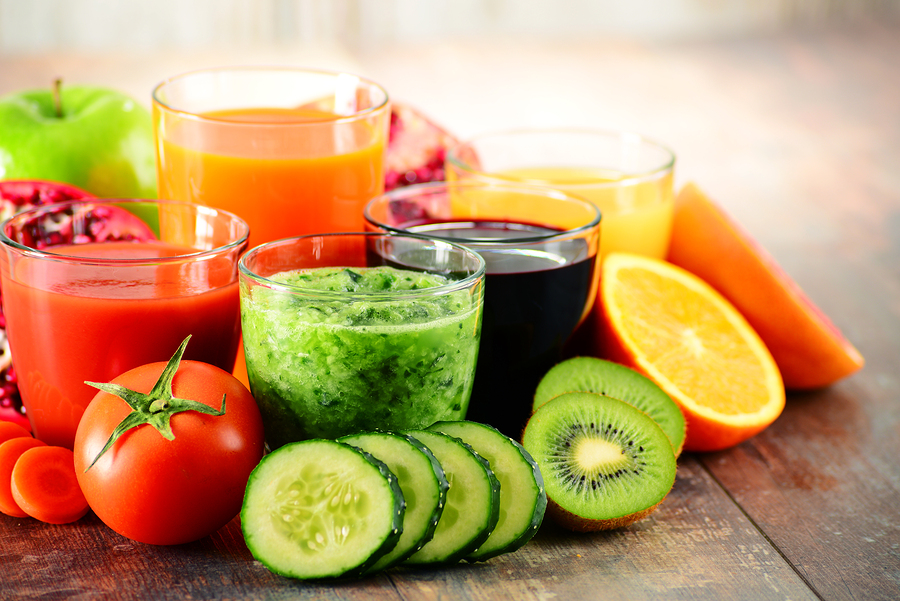
When you eat hot dogs and ham, your body has to digest certain preservatives. In the process, it also produces certain cancer promoting agents called nitrosamines. The best and the easiest way to neutralise these lethal nitrosamines is with one cup of freshly squeezed orange juice. It contains 124 mg of vitamin C, the vital vitamin that helps prevent mouth, throat, stomach and intestinal cancers. Also, oranges are rich in potassium. One juicy orange contains a whopping 263 mg of the mineral.
 Serve yourself:
Eat five servings of fruits and vegetables a day (ideally; two fruits, three veggies). Sounds harder than it is, because most of us are simply too lazy or too disorganized to do it. Have a banana and an orange with your cereal in the morning. You‘ve at least got your daily requirement of fruits. Note: a serving is half cup of raw, cubed fruit, one medium – sized whole fruit or two tablespoons of dried fruit.
Related Links
Disclaimer
The Content is not intended to be a substitute for professional medical advice, diagnosis, or treatment. Always seek the advice of your physician or other qualified health provider with any questions you may have regarding a medical condition.