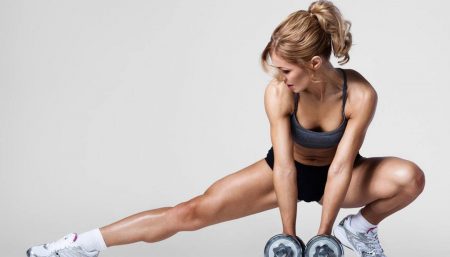
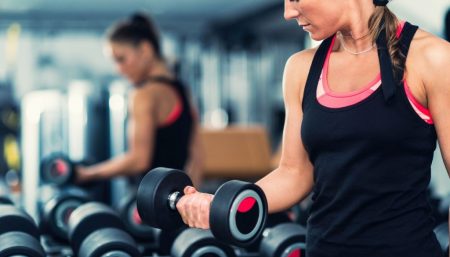
Like any sport or activity, strength training has tricks to learn and techniques to master. Strength training can involve using weights or your own body weight to challenge and build muscle. Get ready to tighten up all the leftover flab, if you want to look good in your bathing suit this summer.

Here’s are some tips to help you get the most from your strength training workout.
- Know the lingo. The words rep and set are the jargon of gym junkies. We will decode them for you. One rep, or repetition, describes one complete exercise. So one pushup, for example, would be one rep. A set is just that – a set of repetitions. Do two sets of 8 to 12 repetitions for each exercise.
- Start with 8 repetitions in each set. When you can easily do 12, you can add a little more weight.
- Work out between meals. Right after eating a Thanksgiving feast is not the best time to pick up a pair of dumbbells. If your stomach is really full, you’re going to feel uncomfortable. It is also unwise to work out when you haven’t eaten for several hours. If you’re starving, you may get light-headed, To be at your best, try to work out midway between meals or have a light meal or snack an hour or so before-hand.
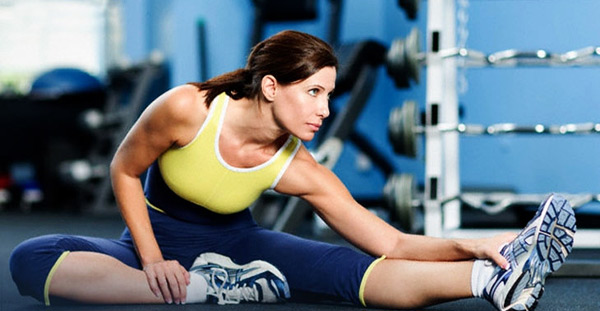
- Warm up. We’re not talking about drinking cocoa by a toasty fire. We mean warming up your muscles for 5 to 10 minutes so that you don’t go directly from sitting in front of the TV to lifting 12-pound weights over your head. Muscles much prefer being eased into exercise. To warm up, you can take a brisk walk, do jumping jacks, march or jog in place, or do toning exercises for 5 to 10 reps without weights. If you do an aerobic workout in addition to resistance training, you can do the aerobics first, in place of a warm-up.
- Pick the right weight. If you lift weights that are too heavy, you could hurt yourself. On the other hand, lifting weights that are too light won’t do much to firm your flab. Here’s a good rule of thumb: If you can’t lift the weight in good form 8 times, then it’s too heavy, but if you can easily lift the weight more than 12 times, it’s too light.
- Lift with a friend. Beginners may want to find a weight buddy. That person serves three purposes. First, she can lend a hand if you tire and struggle through that last repetition. Second, she can watch to make sure that you are using good form. And third, she can offer the encouragement that first-time lifters often need.
- Don’t wait to exhale. Strange as it may sound, weight lifters literally hold their breath, which can cause their blood pressures to spike. The proper way to breathe, is to exhale on the exertion – when you lift the weight or do the crunch – and inhale as you lower the weight or return to the starting position.
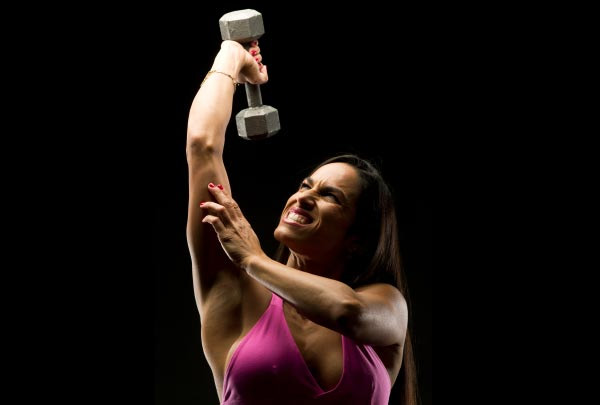
- Tame the tension. When we contract one muscle, we have a tendency to tense the others as well. But during strength training, only the muscles you’re working should contract. Some common trouble spots to check: Make sure that you’re not clenching your teeth, furrowing your brow, or tensing your shoulders up around your ears.
- Take it slow. Fast, herky-jerky movements can cause injury. They can also cause injury. They can also cause you to use momentum, rather than muscle, to lift weight. Slow, controlled movements, on the other hand, are safer and take more effort – so you get more benefit .Each repetition should take about 6 seconds: 2 seconds to lift the weight, a 2-second pause, and then another 2 seconds to lower the weight.
- Perfect your form. Good form – doing an exercise in exactly the right way – helps you get the most benefit from lifting and prevents injury. An easy way to watch your lifting form is to position yourself in front of a full-length mirror. Make sure that your wrists are straight, not bent backward or forward. And be sure that you are doing the exercise precisely as it is shown.

- Pay attention to posture. Whether you’re sitting or standing when you lift dumbbells, keep your back, neck, and head straight to prevent muscle strain and injury. And good posture doesn’t mean standing stiff. Stand tall but relaxed. If you’re seated to do the exercise, sit up straight with your feet flat on the floor.
- Be kind to your joints. Avoid locking your elbows or knees when lifting weights. Anytime you lock a joint, the joint bears the stress of the weight, not the muscle. To prevent joint pain, end the move just short of locking your knees or elbows.
- Break between sets. Take a 1- to 2- minute break after completing each set to give your muscles a chance to recuperate and prepare for the next set. To save time, you can do an exercise that works another muscle group. For example, try alternating between leg and arm exercises.
- Finish with flexibility. The ideal time to stretch is after your workout, when your muscles are warmed up. Lifting weights actually contracts and shortens your muscles, making them less flexible. But stretching after lifting restores muscle length and keeps them supple, which prevents injury in the long run. When you’re inflexible, you’re much more prone to injury, because instead of your muscles being elastic and allowing some give, they’re quite tight.
- Take a day off. Your muscles need at least a day to rest in between resistance – training sessions. It’s actually during that time that your muscles get stronger. That’s because lifting weights causes tiny tears in the muscle tissue. As your muscles repair that damage, they become stronger.
- Work through soreness. You’re probably going to feel a little sore for the first few weeks after starting a new body-toning program. Only when the soreness subsides should you increase the amount of weight you’re lifting, and then add no more than a pound per session. If the soreness is significant, so that even everyday movement is painful, you may need to decrease the weight.
- Mix up your routine. After lifting weights consistently for a few weeks or months, you may hit a plateau. That’s when you find that you can’t seem to progress to the next level with heavier weights. This is a sign that your muscles have become used to your workout and need a new challenge to grow further. When you hit a plateau, try changing something in your routine. Alter the exercise slightly, try a completely different exercise to work the same muscle, or lift and lower the weight even more slowly. or example, take 4 seconds to lift the weight, a 2-second pause, and then 4 seconds to lower it.
- Pay attention to pain. Pain may be a sign that a muscle, tendon, or joint has been overworked or strained. If something doesn’t feel right, don’t keep training it. Rest a few days before trying your routine again.
Above all, to maximize results your training must reflect the demands. If you are weight lifting to manage your weight, slow the aging process and achieve your ideal form, then you need to do more and know much more than to just buy that “one piece of weight lifting equipment that will do it all.”
Proper weight training requires specific techniques to achieve the most benefit in the time that you have allotted. If you begin strength training and using weight lifting equipment without proper guidance, your efforts may very well be wasted.
Related Links
- Minimizing Sore Muscles
- Blasting Through training Plateaus
- TOP 10 SUGGESTED ADVICE FOR PATIENTS WITH VERTEBRAL PROBLEMS
- Top 10 to Gain Quick Results from a Weight Training Program
- TOP 10 Tips on prevention of sports injury
- TOP 10 TO BUILD AND DEFINE YOUR ABDOMINALS
Disclaimer
The Content is not intended to be a substitute for professional medical advice, diagnosis, or treatment. Always seek the advice of your physician or other qualified health provider with any questions you may have regarding a medical condition.