|

|
 |
| |
|
Health Concern
During Pregnancy |
| |
|
Most of the changes your body undergoes during pregnancy
are normal, healthy, and expected. Some effects of pregnancy may cause you
temporary discomfort, but many of these common discomforts can be prevented or
relived by simple measures. Make sure your doctor knows about any
health condition you have, such as high blood pressure or diabetes that can pose
a risk to you or the fetus. Tell your doctor about any discomfort, pain, or
symptoms you are experiencing, no matter how minor they may seem to you.
|
|
COMMON DISCOMFORTS
Most common discomforts of pregnancy are no cause for
concern but it is a good idea to ask your doctor about them. They are usually
simple things you can do to prevent or relieve many of these symptoms.
|
|
|
|
Tender Breasts
Swollen, tender breasts during pregnancy can be uncomfortable especially in the
first trimester. They are caused by the increased amounts of female hormones (oestrogen
and progesterone) being produced in your body. The breast changes are in a way
preparing you for breastfeeding later on.
There is only
one solution to bring comfort to your aching breasts:
A GOOD SUPPORT BRA from the time your pregnancy is confirmed. This will also
prevent your breasts from sagging after pregnancy. At times, it may be necessary
to wear a bra at night. A sound piece of advice - wear a good support bra even
if your breasts are not painful. It is very essential to provide the right
support to your breasts for their long term cosmetic feel and look as well!
Prenatally, use Lansinoh Brand Lanolin twice daily to ease dryness and promote
healthy supple skin.
|
|
Bleeding Gums
Gums may become more spongy as blood flow increases during pregnancy, causing
them to bleed easily. A pregnant woman should continue to take care of her teeth
and gums and go to the dentist for regular checkups. This symptom usually
disappears after pregnancy.
Management
tips :
-
Increase
your vitamin C supplements.
-
Rinse mouth
daily with 1 or 2 drops of Grapefruit Seed Extract added to a cup of warm
water.
-
Use a soft
bristle toothbrush.
-
Rinse mouth
out daily with a mix of tincture of Myrrh and water
|
|
Nausea and Vomiting
A rapidly rising level of the hormone estrogen in the first few months of
pregnancy often causes nausea. Although nausea is most common in the first
trimester, in some women it lasts into the second trimester. Because these
symptoms most often occur in the morning , they are referred to as “ morning
sickness,” but nausea can occur at any time, especially when your stomach is
empty.
The following
steps may help you avoid nausea;
-
Get out of bed slowly in the
morning, first sitting on the edge of
the bed for a few minutes. Have crackers available on your nightstand and eat
one or two as soon as you wake up.
-
Eat dry toast, crackers, or a
peeled apple every few hours during the day. Some women are really helped by
sucking lemons or peppermints, others swear by crisps, bananas or breakfast
cereals.
-
Between meals, drink plenty
of beverage or soups but avoid those that are either very hot or very cold.
Try ginger tea by infusing a little grated ginger root with boiling
water in a teapot. You can add lemon or honey to taste and drink hot or cold.
-
Avoid foods that are greasy,
fried, or highly seasoned, especially those containing pepper, chilies, or
garlic. Homemade, day-old popcorn is said to reduce nausea.
-
Do not take medication
without your doctor’s approval.
-
Contact your doctor if your
nausea or vomiting becomes severe. Your doctor may suggest taking 50mg of
vitamin B6 twice a day.
-
Give yourself time to relax.
Talking things over with another mother-to-be can be a nice way to relieve
some of the stress you're feeling.
|
|
What medications have been used during pregnancy for this condition?
No medications to control this condition have been approved by the FDA for use
during pregnancy. However, some antiemetics commonly prescribed to address the
symptoms of NVP are:
-
Compazine
-
Phenergan
-
Metoclopramide
-
Tigan
-
Dramamine
|
|
Indigestion
Indigestion occurs when food and acids
in your stomach back up into your esophagus, the tube leading from your mouth to
your stomach. This often occurs during pregnancy because an increased level of
the hormone progesterone relaxes the muscles that usually prevent this backup.
Your enlarging abdomen can also cause indigestion by pressing on your stomach
and esophagus. Signs of indigestion include heartburn; a feeling of discomfort,
fullness, or burning in your upper abdomen; or nausea.
|
WHY
ALL THE PROBLEMS?

It's easy to see. As the baby grows, it
exerts increasing pressure on virtually all your internal organs. Upward
pressure on the stomach can lead to heartburn; downward pressure on the
bladder can keep you heading for the bathroom. Hemorrhoids develop as
the uterus presses on the rectum. And all the extra bulk up front means
backaches for many women nearing term. |
|
To avoid indigestion, you should eat several small meals
during the day instead of three large ones. Avoid foods that cause gas or
irritate your stomach; including spicy fruits. Wait an hour after eating before
you lie down and 2 hours before you exercise.
|
|
Constipation and Hemorrhoids
About half of all
pregnant women have some degree of constipation. Hormones released during
pregnancy slow the movement of food through the digestive tract. Constipation is
often most severe during the last trimester, when your enlarged uterus puts
pressure on your rectum, making it difficult to pass stool. The best way to
avoid constipation is to
-
Eat a high-fiber diet and – aim to eat a bowl of high-
fiber cereal for breakfast and lots of fruits and vegetables throughout the
day
-
Drink plenty of liquids. Drink at least eight glasses (8
ounces each) of water each day.
-
If you have severe constipation, talk to your doctor
about using a natural fiber fixative.
Constipation can put increased pressure on veins in the
rectum, causing hemorrhoids.
Hemorrhoids are swollen veins in the rectum that may
protrude and bleed. Eating plenty of fiber and drinking fluids may help relieve
hemorrhoids as well as constipation. Do not take over- the- counter hemorrhoid
medications without consulting your doctor.
|
|
Pica
Pica is a rare craving to eat substances other than food, such as dirt,
clay, or coal. The craving may indicate a nutritional deficiency.
|
|
Heartburn
It is a common digestive problem. It
occurs as the uterus pushes on the stomach, forcing acid up into the esophagus.
Again, eating smaller, more frequent meals rather than three larger meals can
help. Avoid bending over or lying flat. Antacids may relieve discomfort.
Tips to combat heartburn:
-
Eat smaller and more frequent meals instead of 2 or 3
large meals.
-
Chew food slowly to insure that plenty of digestive
juices get added.
-
Sip warm milk or hot Peppermint tea. Yoghurt is also
helpful.
-
Many women find relief from chewing several Papaya
tablets or try some candied Ginger.
-
Sleeping in a propped up position can also help.
-
Chew some Anise seeds or make into a tea.
|
|
Cravings
At some time during your pregnancy you may
crave a particular food. Food cravings may signify a need for a particular
nutrient or mineral. For example, many women crave salty carvings, but watch out
for high-fat-foods that might cause you to gain too much weight or high –sodium
foods that can make you retain water.
|
|
Congested
or Bloody Nose
During pregnancy, the lining of the respiratory tract receives more blood, often
making it more congested. This congestion can also cause stuffiness in the nose
or nosebleeds. In addition, small blood vessels in the nose are easily damaged
due to the increased blood pressure, causing nosebleeds.
|
|
Dizziness
Dizziness during pregnancy is a common symptom, which may be caused by:
quickly moving from a sitting position to a standing position. To prevent
injury from falling during episodes of dizziness, a pregnant woman should stand
up slowly and hold on to the walls and other stable structures for support and
balance.
|
|
Fatigue
Most women feel more tired than usual during
the first and third trimesters. It is important to get enough sleep throughout
your pregnancy, and rest whenever you can. Fatigue can also be due to anemia, or
insufficient iron in the blood. A simple blood test can reveal anemia and your
doctor may recommend an iron supplement. Don't start taking supplements on your
own. Too much iron can be dangerous.
|
|
Edema or Fluid
Retention
is a common occurrence in late
pregnancy, and is rarely serious. If you see swelling in your hands and face,
however, it can be a sign of a serious complication called preeclampsia (pregnancy
induced
high blood pressure) and should be reported to the doctor immediately.
Preeclampsia should be treated to ensure that blood flow (and thus oxygen and
nourishment) to the baby remains unrestricted, and to prevent an even more
serious condition called eclampsia (pregnancy-related convulsions) that can be
fatal to both mother and baby.
Tips to manage Edema:
-
Eat lots of protein rich foods daily trying to get at
least 75 grams of protein.
-
Drink plenty of water.
-
Salt your foods to taste (do NOT avoid salt, as some
believe).
-
Sleep with legs elevated and elevate legs often
throughout the day.
-
Avoid restrictive clothing.
-
Take liver strengthening herbs such as Dandelion and Milk
Thistle and eat foods such as beets, beet greens and artichokes.
|
|
Leg Cramps
Leg cramps, also called charley horses, can be
bothersome during pregnancy. especially if you experience them at night. Cramps
are characterized by a sharp, grabbing pain in the calf. A cramp is spasm in two
sets of muscles that forces your foot to point involuntarily
They can be
caused by a deficiency of calcium in a form that your body can use, or by
getting too much phosphorus. Your doctor may tell you to drink less milk, and
stop taking supplements containing calcium phosphate. Instead, the doctor may
prescribe calcium carbonate or calcium lactate tablets. Soft drinks, snack foods
and processed foods are all high in phosphates; you may need to cut down on them
or eliminate them from your diet. Stretching your calf muscles before going to bed
and first thing to the morning may help prevent cramps. If you get a cramp in
the middle of the night, get up and walk around slowly until it subsides. Avoid
pointing your toes when you stretch your legs in the morning since this can
cause cramps. Also, lead with the heel when you walk.
Tips to Cope with Leg
Cramps
These suggestions may help you relieve leg cramps.
-
Wear maternity support hose during the day.
-
Take warm baths.
-
Have your partner massage your legs at the end of the day or whenever you
feel like it.
-
Take acetaminophen (Tylenol ®) for pain.
-
Extra vitamin E is helpful, too.
-
Rest on your left side.
-
Use a heating pad on low for up to 15 minutes (no longer) on the cramps.
-
Avoid chocolate - it reduces the bodies absorption of calcium.
Your activities can also contribute to cramping. Avoiding standing for long
periods of time. Don't wear tight or restrictive clothing.
|
|
Swollen Ankles
Many women find that their ankles and
feet swell as their pregnancy progresses. This swelling is caused by the
increasing pressure an enlarging uterus puts on the veins that carry blood from
the legs to the heart. To help improve the circulation in your legs, try to lie
down and put your feet on a raised pillow several times throughout the day, or
sit with your feet elevated as often as possible. Limiting salt on your diet and
wearing support stockings may also be helpful.
|
|
Skin Changes
Your skin may change in a number of
ways during pregnancy. Patches of darker skin may appear on your face. This
condition, called “chloasma or, sometimes, mask of pregnancy,” will fade when
your hormone levels return to normal. In some women, a dark line appears that
run from the naval to the public hair. This dark line is also caused by hormones
and will fade after delivery. As your skin expands over your growing abdomen and
breasts. Stretch marks may be permanent, on most women they fade with time.
|
|
Dental Problems
Hormonal changes during pregnancy
sometimes cause sore swollen gums. In extreme cases, eating becomes painful.
Therefore, it is important to see your dentist at least once during your
pregnancy for a checkup and cleaning. To prevent gum inflammation and pain,
brush and floss your teeth at least twice a day. Try to limit sweets and avoid
snacking throughout the day to help reduce the buildup of a bacteria-containing
substance called plaque. If your gums become painful or bleed when you brush
your teeth, see your dentist. You may need a special type of cleaning or gum
treatment. If not treated, some forms of gum disease – gingivitis (inflammation
or bleeding of gums, usually resulting from infection) or periodontitis
(infection of tissues surrounding the tooth) – may lead to unnecessary loss of
health.
Dental x-rays are considered safe during pregnancy but are
only done when required for a specific purpose, such as to rule out a serious
medical problem, such as an abscess (an infected, pus- filled sac) in the gums.
If you need to have an x-ray, your abdomen will be shielded with a lead apron to
protect the fetus from exposure to radiation. Your dentist will delay routine
x-rays until after your pregnancy. |
|
High Blood Pressure
Some women have hypertension before
they become pregnant. This is called chronic hypertension. Many more develop
hypertension during pregnancy. This is referred to as pregnancy-induced
hypertension (PIH). PIH generally goes away soon after delivery. About 8 percent
of pregnant women have some form of hypertension. Make sure
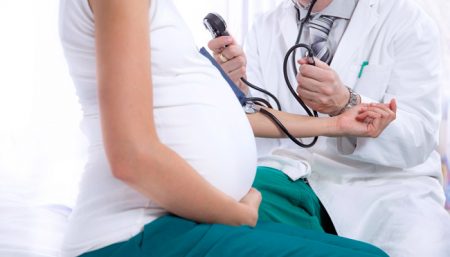
your doctor knows if you have a history of high blood pressure. A systolic reading of 140 or higher, or a diastolic
reading of 90 or higher is considered high blood pressure.
Mild high blood
pressure that is controlled with exercise, diet, or low does of medications may
cause no complications at all during pregnancy. A recent
British study suggested that some high-risk women (including women who had
preeclampsia in a previous pregnancy) may be able to reduce their risk of
preeclampsia by taking vitamins C and E through the second half of pregnancy. However, extremely high blood
pressure that is not under control during pregnancy can cause such complications
as delayed growth of the fetus, preeclampsia (high blood pressure accompanied
with retention of fluid and leaking of protein into the woman’s urine is called preeclampsia ) preterm labor (Labor that occurs before the 37th week
of pregnancy), placental abruption (It occurs when the placenta that is
implanted normally inside the uterus separates prematurely from the wall of
uterus, usually during the third trimester of pregnancy), and low birth weight.
In addition to having more frequent checkups to measure
your blood pressure, your may also have ultrasound examinations to monitor the
growth of the fetus. The physical stress of pregnancy may raise already elevated
blood pressure in women who have reduced kidney function that has resulted from
high doctor will recommend more frequent blood and urine tests during pregnancy
to monitor the functioning of your kidneys.
|
|
Backache
Nearly every woman experiences backaches and back pain at
some time during pregnancy, especially as her abdomen gets bigger. You may
experience backache after walking, bending, lifting, standing or excessive
exercise. Be careful about lifting--do it correctly, with knees bent and back
straight.
Backache is treated with heat, rest and analgesics, such as
acetaminophen (Tylenol ®). Some maternity girdles may provide support. Keep your
weight under control, and participate in mild exercise, such as swimming,
walking and stationary-bike riding. Lie on your left side when resting or
sleeping.
Lower-back pain is common during pregnancy, but
occasionally it indicates a serious problem, such as a kidney stone. If pain is
constant or severe, discuss it with your healthcare provider.
|
|
Varicose Veins
Varicose veins often can develop in the legs, external
genitals, or abdominal wall, especially when there is a family history of this
complication. Wearing elastic support stockings and raising your legs when
possible can help prevent and alleviate varicose veins.
|
|
Headaches
Hormonal changes may be the cause of headaches during
pregnancy, especially during the first trimester. Some women experience more
headaches during pregnancy but hesitate to take medication for them. You can do
a few things that are medicine-free to relieve headaches.
-
Use deep-breathing exercises and relation techniques to help you relax.
-
Drink plenty of fluids so you don't become dehydrated.

-
Close your eyes and rest in a quiet place.
-
Eat regularly.
-
Avoid foods or substances, such as cheese, chocolate and caffeine, that
sometime cause headaches.
-
Apply an ice pack to the back of your head
-
Get enough sleep.
If your headache doesn't go away using these techniques. you may take regular
or extra-strength acetaminophen (Tylenol ®). If this doesn't help, call your
healthcare provider.
|
|
Sciatic-Nerve Pain
Some women occasionally experience a severe pain in their buttocks and down the
back or side of either leg. This pain is called sciatic-nerve pain; it
may occur more frequently as pregnancy progresses.
The sciatic nerve is located behind the uterus, in the pelvic area, and it
runs down into the leg We believe pain is caused when the enlarging uterus puts
pressure on the nerve. The best way to deal with the pain is to lie on your
opposite side. This helps relieve pressure on the nerve.
|
|
Yeast Infections
Due to hormone changes and increased vaginal discharge, also called leukorrhea,
a pregnant woman is more susceptible to yeast infections. Yeast infections are
characterized by a thick, whitish discharge from the vagina and itching. Yeast
infections are highly treatable. Always consult your physician before taking any
medication for this condition. |
|
|
|
|
|
|