For a long time heart disease has had a reputation of a strictly male malady. But it has been observed that, once women reach menopause, this advantage quickly dissipates. In fact, 11 times as many women die from heart disease as from breast cancer.
The question arises as to, what happens at menopause that causes heart disease risk to skyrocket among women? Doctors suspect it has something to do with the hormone estrogen. Estrogen circulation in the bloodstream helps keep the arteries clear by regulating cholesterollevels – increasing “good” high-density lipoprotein (HDL) cholesterol while lowering ” bad ” low-density lipoprotein (LDL) cholesterol. But as women pass through menopause, their body’s production of estrogen dwindles – and with it goes some protection from heart disease.
There are other health and lifestyle issues which can pump up your risk of heart disease, too. Among them are family history (a parent diagnosed with heart disease before age 60), diabetes, high blood pressure, high cholesterol, being overweight, physical inactivity, smoking, and high levels of stress – and not necessarily in that order. Any one is a serious risk in and of itself, and the overall risk only climbs as the risk factors add up.
Exercise, such as walking for four hours a week, can protect your heart
None of these risk factors, however, is a guarantee that you’re going to develop heart disease in your lifetime. In fact, every one can be offset to some degree simply by eating right.
A Plateful of Prevention
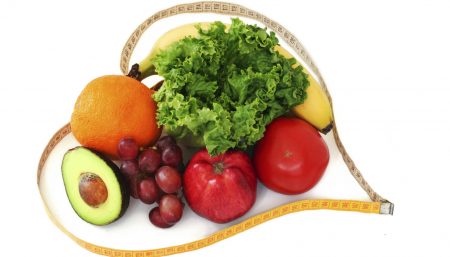
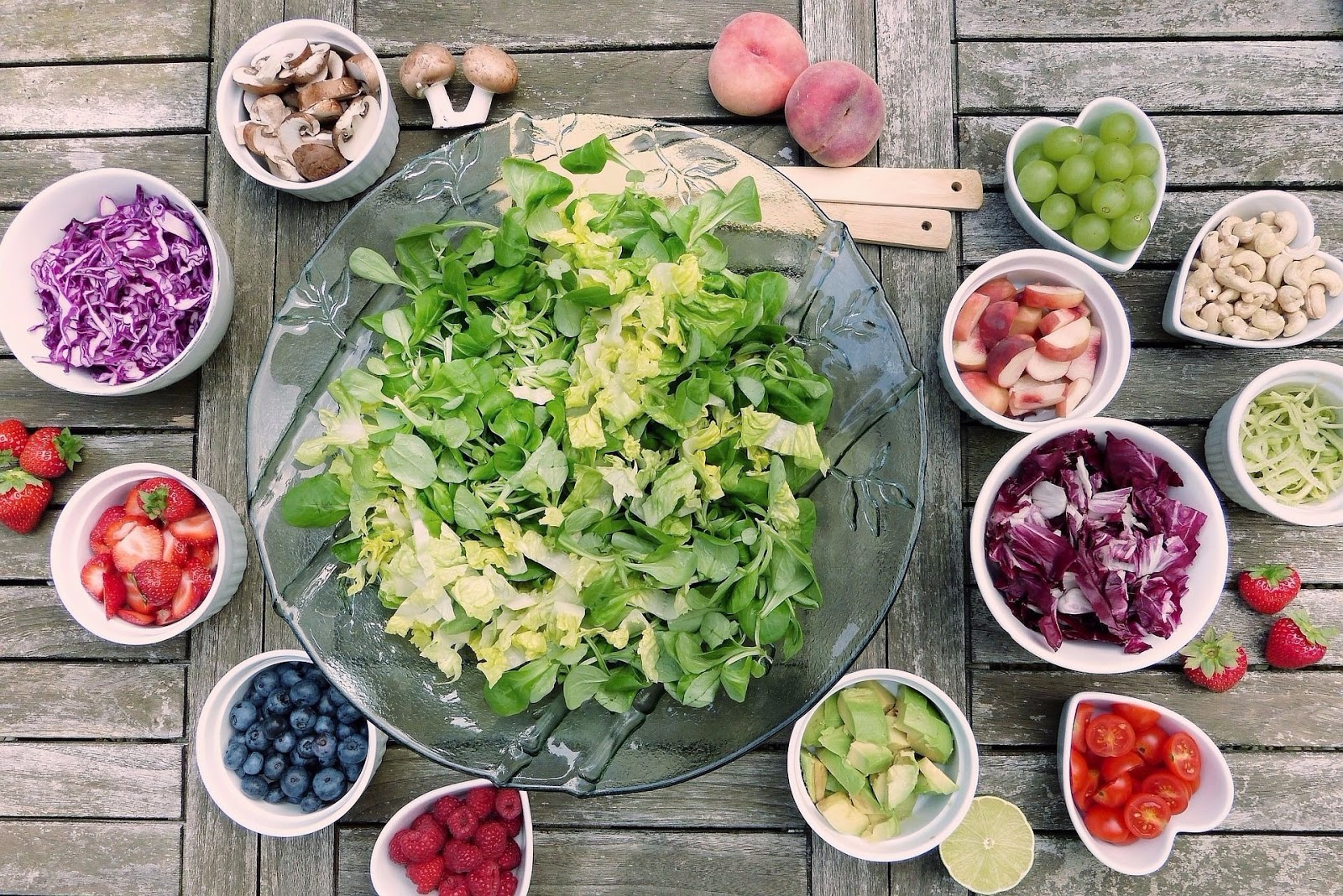
To help you get in the swing of heart-smart eating, we’ve come up with a list of 20 foods that meet all three of the criteria outlined below. Most have less than one gram of fat, the two exceptions being chickpeas and wheat germ (which, incidentally, are still considered low-fat). Each one is high in fiber. All supply healthy doses of one or more of the antioxidants. And as a bonus, not one of these foods has even a smidgen of dietary cholesterol.
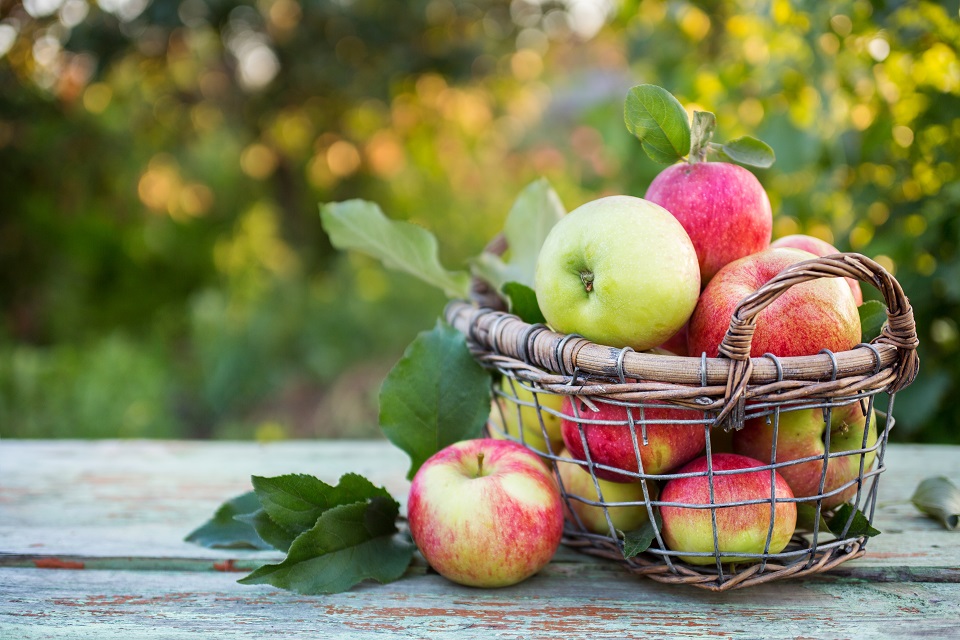
| Apples: One medium-size fruit (about five ounces) has three grams of fiber, eight milligrams of vitamin C, and 0.6 IU of vitamin E. |
| Apricots: You get 111 milligrams of vitamin C – almost two times the Daily Value – in three fresh apricots. They also provide two grams of fiber and one IU of beta-carotene. |
| Blackberries: One cup of berries contains 30 milligrams of vitamin C, along with seven grams of fiber and 0.1 IU of vitamin E. |
| Black currants: One cup of black currants meets the DV of vitamin C more than three times over, supplying 203 milligrams of the nutrient. You also get four grams of fiber and 0.7 IU of vitamin E. |
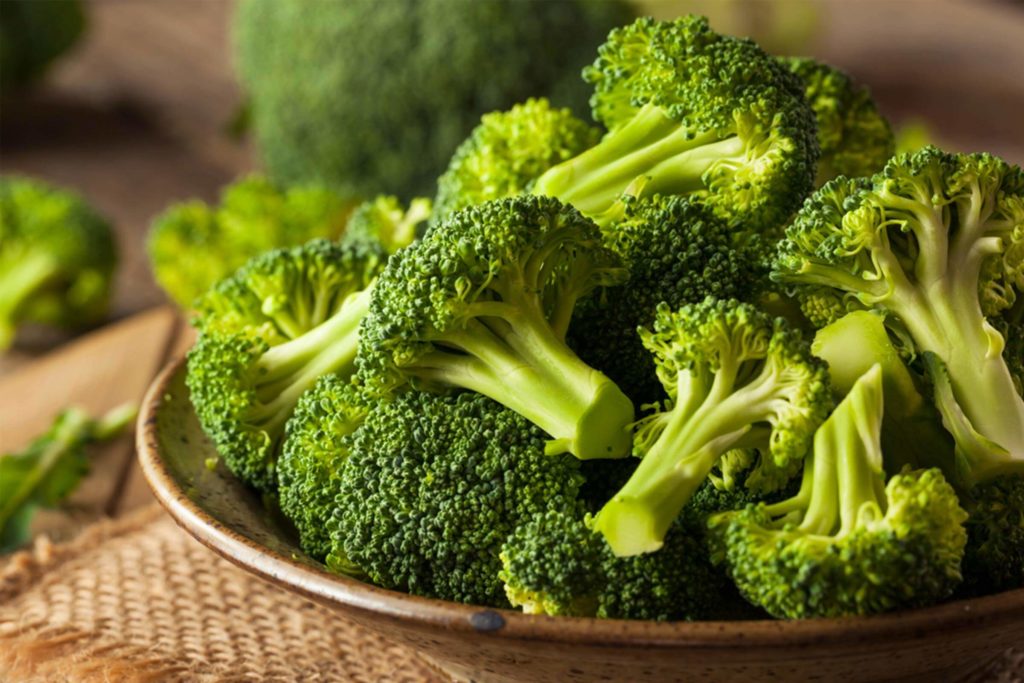 |
| Broccoli: One-half cup of cooked chopped broccoli offers almost a whole day’s worth of vitamin C: 58 milligrams. The same-size serving also contains two grams of fiber and 0.3 IU of beta-carotene. |
| Brussels sprouts: You get 3 grams of fiber, 48 grams of vitamin C, and 0.2 IU of beta-carotene in 1/2 cup of boiled brussels sprouts. |
| Butternut squash: One-half cup of baked cubed butternut squash provides 16IU of beta-carotene. It also provides a good amount of fiber (three grams) and a generous amount of vitamin C (15 milligrams). |
| Cantaloupe: Chow down on cantaloupe, and you can cover your vitamin C needs for an entire day. A one-cup serving of cubed fruit supplies 68 milligrams of vitamin C as well as one gram of fiber and 16 IU of beta-carotene. |
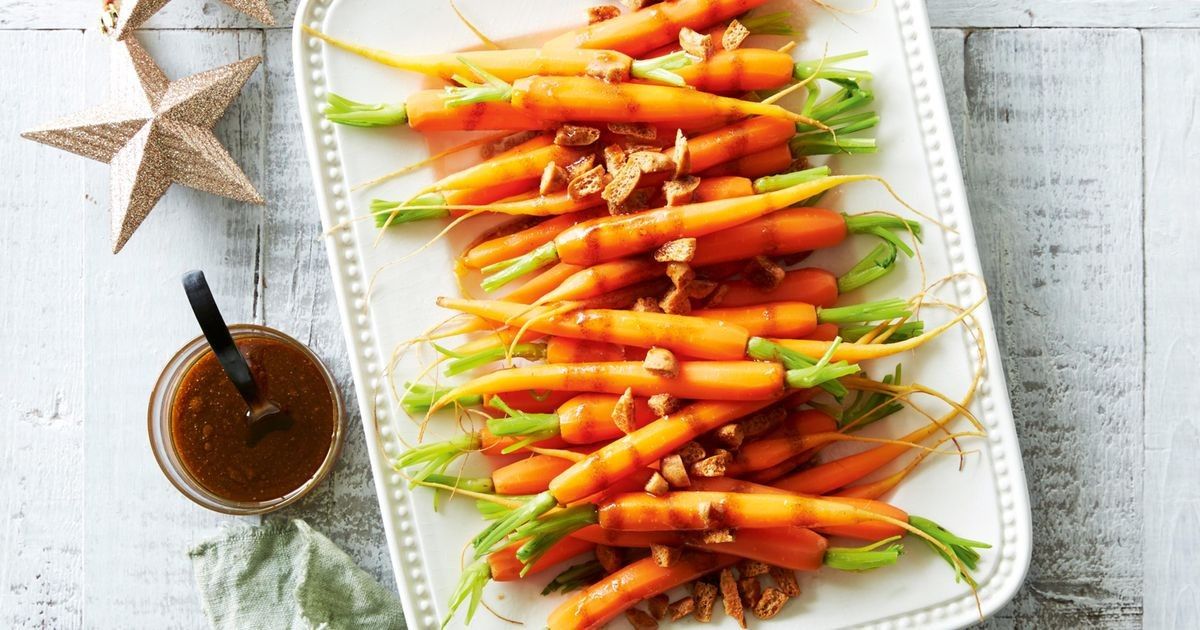 |
| Carrots: One of the best vitamin A sources around: One 2 1/2-ounce carrot has 6,745 IU of the nutrient – all you need for an entire day. You also get a nice amount of fiber (two grams) and even a little bit of vitamin C (seven milligrams). |
| Chickpeas: You get a whopping seven grams of fiber in 1/2 cup of chickpeas- noteworthy even for a number of the fiber-rich legume clan. The same size serving also offers a small burst of vitamin C (five milligrams). |
| Grapefruit. Both pink and red varieties provide 50 milligrams of vitamin C as well as 0.7 gram of fiber. |
| Green peas: You can bump up your fiber intake a notch or two with these legumes. A 1/2 -cup serving of boiled green peas offers a modest two grams of fiber, along with 11 milligrams of vitamin C. |
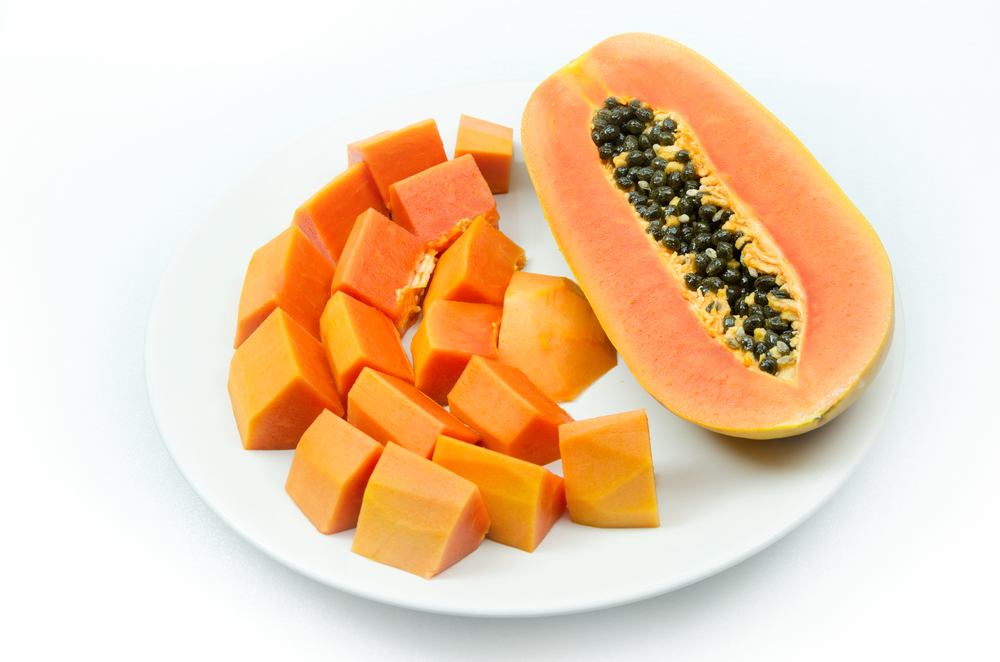 |
| Papaya: Yet another superb source of vitamin C: Half of a papaya supplies 94 milligrams of C – roughly 11/2 times the DV. It also has a respectable three grams of fiber. |
| Passion fruit: It seems fitting that a food named “passion fruit” can do so much for your heart! A serving of five medium-size fruits (about 3 1/2 ounces total) provides decent amounts of fiber (two grams), vitamin C (30 milligrams), and beta-carotene (0.2 IU). |
| Raspberries: One cup of berries gives you a hefty six grams of fiber as well as 31 milligrams of vitamin C. |
| Spinach: For beta-carotene, spinach is one of your best bets. A half-cup serving of boiled spinach provides 25 IU of beta-carotene as well as two grams of fiber and nine milligrams of vitamin C.. |
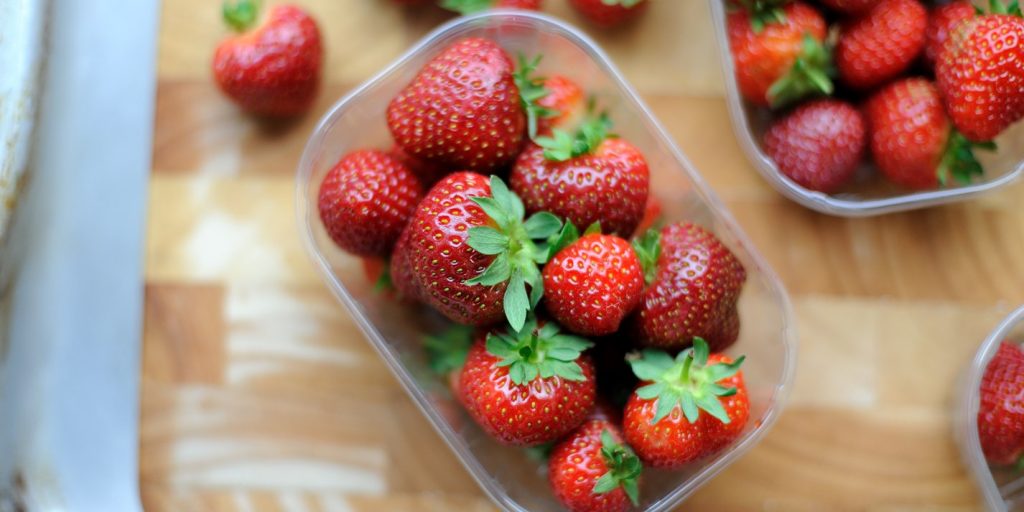 |
| Strawberries: These bountiful berries offer 85 milligrams of vitamin C and four grams of fiber in every one-cup serving. |
| Sweet potatoes: Sweet potatoes pack a beta-carotene punch, with one baked four-ounce spud supplying 83 IU of the nutrient. As a bonus, it can boost your intake of fiber (three grams) and vitamin C (28 milligrams). |
| Sweet red peppers: One-half cup of chopped red peppers has only 0.8 gram of fiber and one IU of beta-carotene. But you get more than a day’s supply of vitamin C – 95 milligrams. |
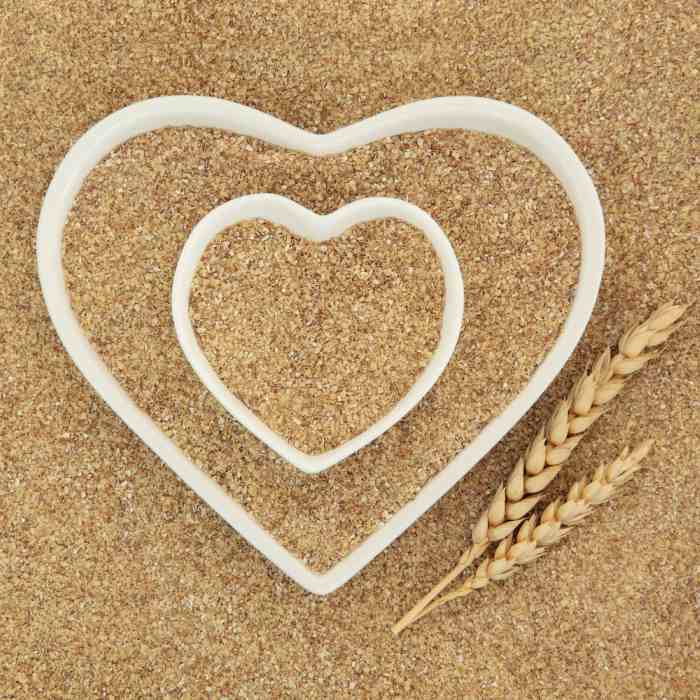 |
| Wheat germ: One-quarter cup of toasted wheat germ contains three IU of vitamin E, making the grain one of the best food source of E. You get a good four grams of fiber, too. |
Get as much fibre as you can. Green beans, ladies finger, cauliflower, spinach, tomatoes and oranges all have the added benefit of being loaded with folic acid. Studies have shown that if you keep fat between 10 and 15 per cent of the total calories you consume each day, it’s possible to stop and even reverse clogging of the arteries. By steering clear of meat, you’ll avoid not just the worst kind of fat (saturated) but also cholesterol and animal protein. The little fat that you do eat should be monounsaturated (such as olive or canola oil), which has been shown to lower blood cholesterol.
Disclaimer
The Content is not intended to be a substitute for professional medical advice, diagnosis, or treatment. Always seek the advice of your physician or other qualified health provider with any questions you may have regarding a medical condition.