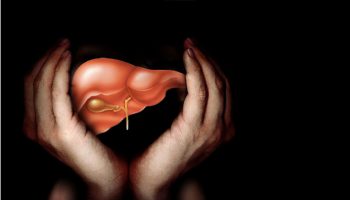
Heartburn is a burning sensation in the chest that can extend to the neck, throat, and face; it is worsened by bending or lying down. It is the primary symptom of gastroesophageal reflux, which is the movement of stomach acid into the esophagus. Heartburn is generally related to meals andposture. On rare occasions, it is due to gastritis (stomach lining inflammation).
What causes Heartburn?
Understanding heartburn depends on understanding the structure and action of the esophagus. The esophagus is a tube connecting the throat to the stomach. The esophagus carries food and liquid into the stomach. At the lower end of the esophagus where it enters the stomach, there is a strong muscular ring called the lower esophageal sphincter (LES). The LES should remain tightly closed, except to allow food and liquid to pass into the stomach. Reflux occurs when the LES is not working properly. It may relax for periods of time throughout the day and night, or it may be constantly too weak to function effectively. This allows the stomach’s acid juices to flow into the esophagus.
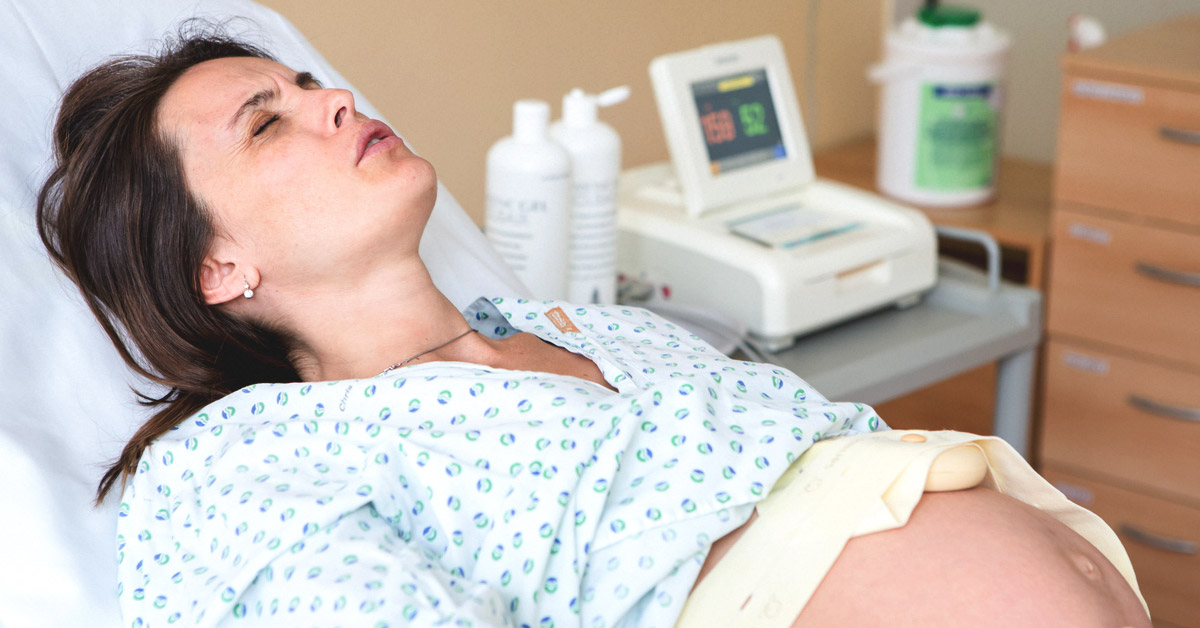
Heartburn and reflux are extremely common, with 10 percent of the population experiencing them daily. Twenty-five percent ofpregnant women have heartburn. Even though heartburn is common, it is rarely life threatening
Thus, if the LES opens inappropriately or fails to close completely, and stomach contents leak into the esophagus, the esophagus can be burned by acid. The resulting burning sensation is called heartburn. How severe the disease becomes depends on how weakened the LES is, and the amount and duration of acid refluxed into the esophagus.
Factors contributing to Heartburn :

A number of different factors may contribute to LES malfunction with its consequent gastroesophageal acid reflux:
- The eating of large meals that distend the stomach can cause the LES to open inappropriately.
- Lying down within two to three hours of eating can cause the LES to open.
- Obesity, pregnancy, and tight clothing can impair the ability of the LES to stay closed by putting pressure on the abdomen.
- Certain drugs, notably nicotine, alcohol, diazepam (Valium), meperidine (Demerol), theophylline, morphine, prostaglandins, calcium channel blockers (medicines that slow the movement of calcium into the cells of the heart and blood vessels.), nitrate heart medications, anticholinergic and adrenergic drugs (drugs that limit nerve reactions), including dopamine, can relax the LES.
- Progesterone is thought to relax the LES.
- Greasy foods and some other foods such as chocolate, coffee, and peppermint can relax the LES.
- Paralysis and scleroderma can cause the LES to malfunction.
- Hiatus hernia may also cause heartburn according to somegastroenterologists.
Symptoms :

- A burning feeling in the chest just behind the breastbone that occurs after eating and lasts a few minutes to several hours.
- Chest pain, especially after bending over, lying down, or eating.
- Burning in the throat — or hot, sour, acidic, or salty-tasting fluid at the back of the throat.
- Difficulty swallowing
- Feeling of food “sticking” in the middle of the chest or throat
Other symptoms include:
- Belching
- Chronic sore throat
- Difficulty or pain when swallowing
- Waterbrash (sudden excess of saliva)
- Hoarseness
- Sour taste in the mouth
- Bad breath
- Inflammation of the gums
- Erosion of tooth enamel (the surface of the teeth)
NOTE: chest pain is also a symptom of heartburn. However, it is often difficult to differentiatechest pain due to heartburn/GERD and chest pain due to heart disease. Therefore, be sure to get all chest pain evaluated IMMEDIATELY by a health care professional
Heartburn Diagnosis :
-
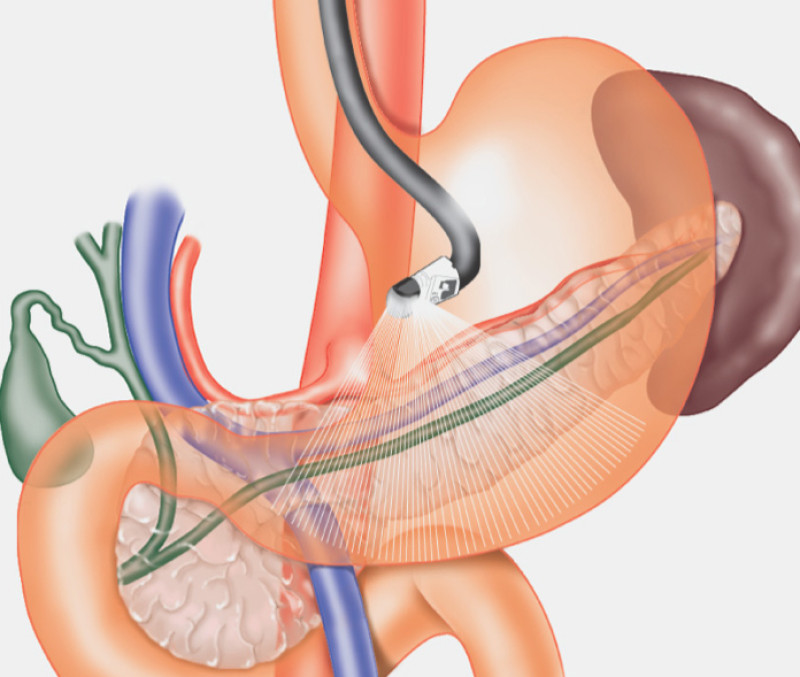
Upper GI Endoscopy– The patient is mildly sedated and a flexible videoscope is inserted into the esophagus to visually inspect it and the stomach.
-
Upper GI Series– The patient drinks liquid barium and x-rays are taken of the esophagus and stomach showing how they function..
-
Esophageal manometry– The primary benefit of the exam is that the physician has clear documentation of the muscle function of the esophagus. With this information, a specific treatment program can be outlined or reassurance provided if the exam is normal. There are really no serious problems associated with manometry. Slight gagging is normal during the exam, and a temporary sore throat may be present afterward.
-
24 hour Ambulatory pH (acid) Monitoring– Ambulatory pH (acid) monitoring is considered the gold standard for objectively assessing acid reflux activity and can confirm significant gastroesophageal reflux disease. pH monitoring is usually performed prior to any antireflux procedure. Traditionally, a tiny tube is placed through the nose and into the esophagus (food tube) above the lower esophageal sphincter. The test runs for 24 hours and measures the number of times acid enters the esophagus. A newer technology is now available called The BRAVO System. It is a wireless transmitting capsule which is placed usually following endoscopy. It is introduced through the mouth and attached to the esophagus by way of a clipping system. It will measure acid reflux activity for 48 hours and the capsule will usually fall off within 3 to 5 days and is passed.
Treatment
Lifestyle Changes- may include daily dietary changes combined with day to day living.

- Doctors usually recommend their patients try raising the head of the bed (about six inches) or sleep on a specially designed wedge. If you cannot raise the head of your bed, you can also slide blocks or books under the legs at the head of the bed. Raising the head of the bed and avoiding heavy lifting reduces heartburn by allowing gravity to minimize reflux of the stomach’s contents into the esophagus.
- Taking off any extra weight is advisable. You also may want to loosen your belt and avoid wearing tight clothing. Exercise is usually recommended to help keep weight off and increase overall fitness. Avoid lifting heavy objects or bending forward if possible.
- Quitting smoking is also recommended because both weaken the LES, (lower esophageal sphincter) and increase stomach acid production and irritation.
- Avoid foods and beverages that can weaken or take pressure off the LES . It is important to avoid food close to bedtime (usually 2-3 hours).
- Eat more slowly. Downing a lot of food in a hurry can cause the stomach to produce extra digestive acids.
- Eat smaller and more frequent meals. After eating, don’t bend over, lie down, or go to sleep for two to four hours.
- Eat more healthy including fiber in your diet
Foods to be avoided:
- Citrus and tomato products
- Strong spices
- Drinks that contain caffeine (coffee, tea, chocolate and some sodas)
- Carbonated drinks, (diet and non-diet)
- Fatty foods
- Spicy foods
- Onions
- Chocolates
- Mint
- Alcohol
- Nicotine
Medical Treatment
Over-the-counter (non-prescription) remedies such as antacids may also offer some comfort. They are usually taken after meals or at bedtime. Antacids, if taken regularly, can neutralize acid in the esophagus and stomach and stop heartburn. Antacids usually provide at least temporary or partial relief. Antacids can also be combined with a foaming agent such as alginic acid to bring relief. These compounds are believed to form a foam barrier on top of the stomach that prevents acid reflux from occurring. If an antacid has not provided relief in several weeks, it probably won’t.
Long-term use of antacids can result in side effects, including diarrhea, constipation, changes in the way your calcium metabolizes, and a build-up of magnesium in the body. Persons with kidney disease should be especially careful not to get too much magnesium; if antacids are needed for more than 3 weeks, a doctor should be consulted. Persons with high blood pressure should also check with their doctor before taking antacids, since they can be high in sodium.
If the symptoms continue, your doctor may prescribe medicine that can cut down on stomach acid production or speed up digestion.(H-2 blockers) These could include:
Tagamet (cimetadine)
Zantac (ranitidine)
Pepcid (famotidine)
Axid (nizatidine)
Prilosec (omeprazole).
(Some of these medications are now available at lower dosage without a doctor’s prescription.)
Other medical approaches include increasing the strength of the LES and quicken emptying of stomach contents with motility drugs that act on the upper gastrointestinal tract. These drugs include cisapride, bethanechol and metoclopramide.
Propulsid (cisapride), Reglan (metoclopramide) and bethanechol chloride are usually used along with H-2 blockers. They strengthen the squeezing action of the esophagus and tighten the LES to relieve GERD. Metoclopramide has the added benefit of making the stomach empty faster.
Cisapride may cause some side effects including abdominal cramps, constipation, diarrhea and increased nervousness. Metoclopramide can cause fatigue, as well as other more serious side effects. Bethanechol chloride can cause nausea and vomiting especially if it is taken too soon after eating.
Another type of drug, the proton pump (or acid pump) inhibitor omeprazole inhibits an enzyme ( protein in the acid-producing cells of the stomach) necessary for acid secretion, and thus stops stomach acid production. The acid pump inhibitor lansoprazole is being investigated as a new treatment for GERD. These drugs are usually prescribed for short-term use. They may cause side effects including stomach or abdominal pain, diarrhea and nausea.
Frequently, combinations of drugs are prescribed to relieve your symptoms. Aspirin and anti-inflammatory drugs like ibuprofen reduce the protective lining of your stomach, which can lead to more irritation. Be sure to check with your doctor or pharmacist before taking any new medicine to discuss other medicines you may be taking and how these new medications might interact with them.
Non-Medication Therapy
If you are having trouble swallowing, your doctor may recommend that your esophagus be stretched by a medical procedure. The procedure may need to be repeated over a period of a few days until your esophagus is wide enough to pass solid food again. Larger tubes may be used to stretch the esophagus and make the passageway wider if you continue having trouble swallowing. While many patient report relief with this less invasive treatment, it is not a cure and quite often symptoms reoccur.
Surgery
Surgery may be an option:
- If symptoms do not improve with medications or return after medication is stopped.
- If lifelong medication is needed.
- If you are unwilling or unable to take medication regularly for prolonged periods.
- If reflux has severely damaged the esophagus.
Today, the procedure to relieve esophageal reflux disease can be performed through the traditional open technique or through minimally invasive surgery, also known as laparoscopy or laparoscopic fundoplication. Both surgical procedures increase pressure in the lower esophagus by tightening or rebuilding the gastro-esophageal valve. This surgery restores the stomach to its original position and strengthens the area around the valve opening.
Laparoscopic surgery is performed through several small incisions instead of a single long one, as in the traditional open procedure. As a result, there is less pain, a quicker recovery time, a shorter hospital stay, and a lower risk of infection.
Radiofrequency Treatment
Another treatment offered is a nonsurgical, minimally invasive radiofrequency procedure that is done on an outpatient basis. Patients go home the same day.
The treatment is delivered via an endoscope. A balloon-tipped catheter is inserted into the esophagus. The miniature balloon has tiny needle electrodes on its surface. The electrodes deliver a controlled amount of radiofrequency energy to spots above and below the junction of the stomach and esophagus. The radiofrequency energy causes tiny burns that heal and form scar tissue. The scar tissue actually tightens the weak valve.
Disclaimer
The Content is not intended to be a substitute for professional medical advice, diagnosis, or treatment. Always seek the advice of your physician or other qualified health provider with any questions you may have regarding a medical condition.