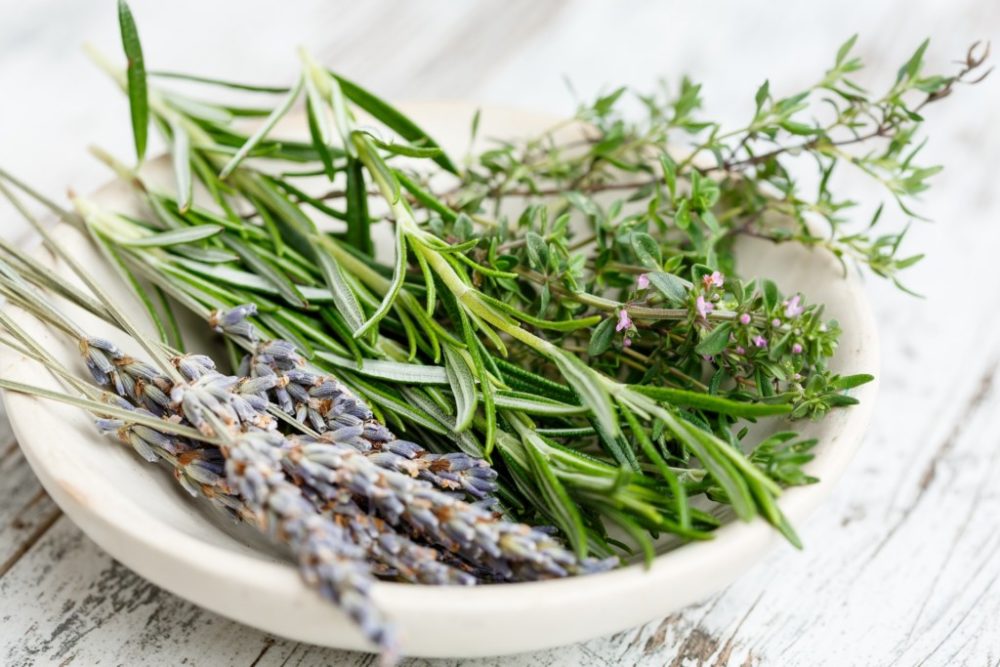
Herbs are very complex, therefore, one thing you need to remember about herb for headache is that, although herbal remedies tend to be gentler than drugs, if you take too much they can not only make your headache worse, but do real harm to your body.
Checkout the various herbs listed below, used in headache management:
Feverfew
Feverfew is a very popular migraine herbal remedy. Feverfew is an anti-inflammatory, and works much like ibuprofen. It is also believed that the herb may inhibit chemicals that cause the blood vessels in your head to spasm. Migraine relief is supposed to be achieved by taking a controlled amount of feverfew on a daily basis. In one study, over 2/3 of migraine patients experienced relief by taking feverfew regularly.
Peppermint (mentha piperita)
For hundreds of years peppermint has been used as a headache remedy. The medicinal parts of peppermint are derived from the whole plant, and include a volatile oil, flavonoids, phenolic acids, and triterpenes. The first documented report to link peppermint and headache relief was published in 1879. A more recent study took place in Germany in 1996. In this double-blind study, researchers found that an ethanol solution containing 10% peppermint oil was as effective in relieving headache pain as 1,000 mg of acetaminophen. In another study, 32 people with headaches massaged peppermint oil on their temples. The results showed that the peppermint oil significantly relieved their pain. Rubbed on the temples, across the forehead, and behind the neck, peppermint oil helps to ease digestive-related headaches and migraines by generating a cooling effect on the skin and relaxing cranial muscles.
Peppermint tea may be used to relieve migraine headaches. To prepare the tea, pour one cup of boiling water over 1-2 tsp of dried peppermint leaves, cover, and steep for 10 minutes. Strain the mixture before drinking. For relief of migraine pressure, drink 1-2 cups of cool tea daily.
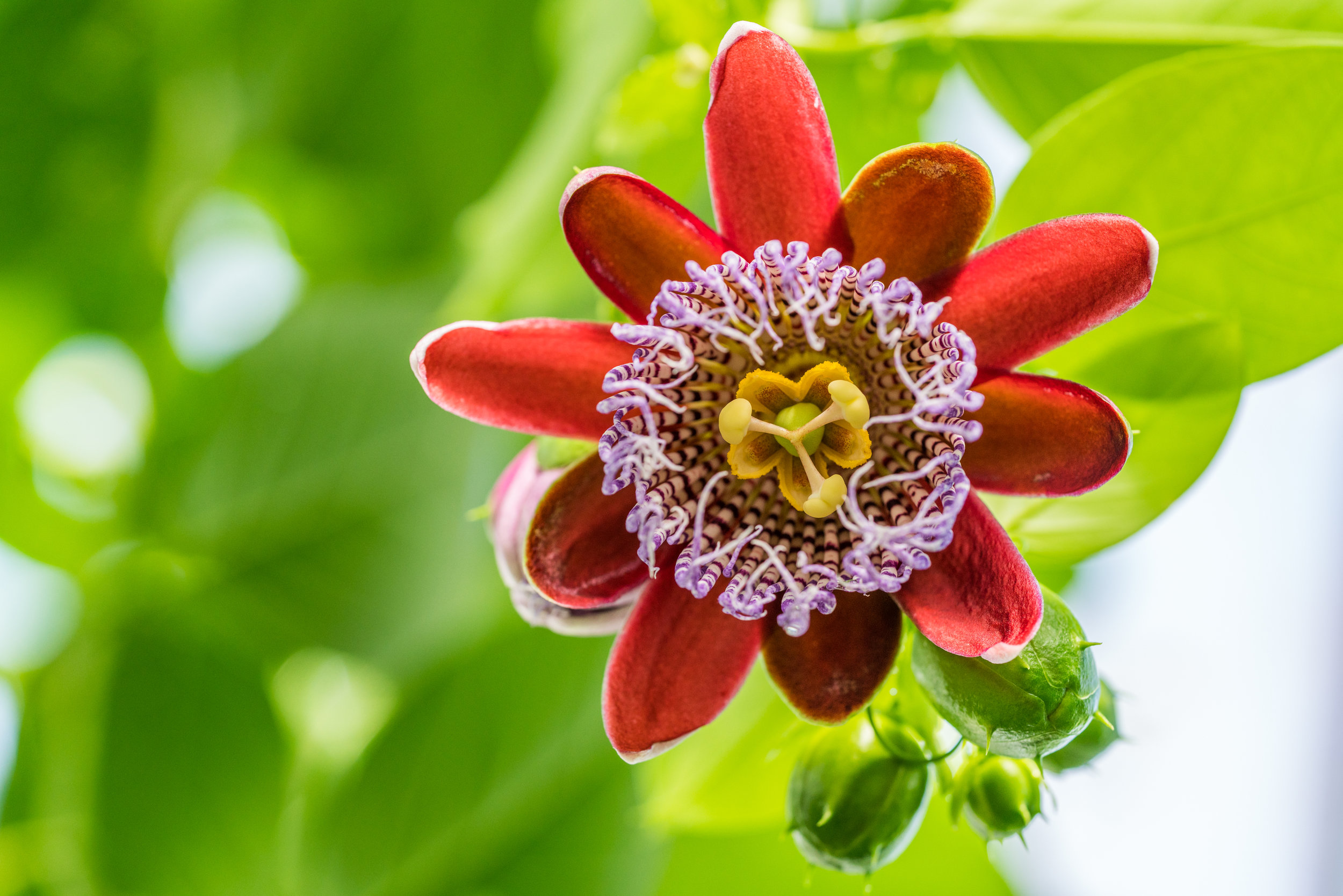
Passionflower (Passiflora alata)
Passionflower is a calming herb. Taken as a tea before bed, it can help you sleep. At least one clinic trial has found it to lower anxiety. It is also believed to have anti-inflammatory and pain killing properties. Great for migraine! The recommended intake of the dried herb is 4-8 grams three times per day. To make a tea, 0.5-2.5 grams of passion flower can be steeped with boiling water for ten to fifteen minutes and drunk two to three times per day. Alternatively, 2-4 ml of passion flower tincture can be taken per day.
Ginkgo (ginko biloba)
The leaf of the ginkgo tree is an extremely popular herb for headache, but the medical evidence is still hotly disputed. Ginkgo is wonderful for improving blood circulation—for this reason, it is a great choice for a remedy to treat circulation headaches. French scientists have done many studies on ginkgo. Several of these showed that treatments made using this herb were effective for reducing vascular headaches (migraines, cluster headaches, hangovers). In at least one of these studies, ginkgo reduced headaches in 80 percent of the people who took it, most of whom were experiencing migraines on a regular basis. People who participated in the study said that they had tried just about everything they could think of to get rid of their headaches, but nothing worked until they discovered ginkgo. The researchers responsible for this study concluded that ginkgo should be considered one of the most effective remedies for migraines. Ginkgo is also the remedy of choice to treat dizziness and tinnitus, or ringing in the ear, which are often associated with headaches. There are some nice teas sold with ginkgo and peppermint.
Note: Ginkgo is one of those herbs that can cause side effects when taken with headache medications, including aspirin and lithium.
Cayenne (capsaicin)
Many peppers have an ingredient called capsaicin, which among other things seems to raise the pain threshold. It’s gained attention in the medical world in recent years especially for its treatment of cluster headaches, and it’s often given in the form of a nasal spray. In one study, people with cluster headaches rubbed a capsaicin preparation inside and outside their noses on the same side of the head as the headache pain. Within five days, 75 percent reported less pain and fewer headaches. They also reported burning nostrils and runny noses, but these side effects subsided within a week.
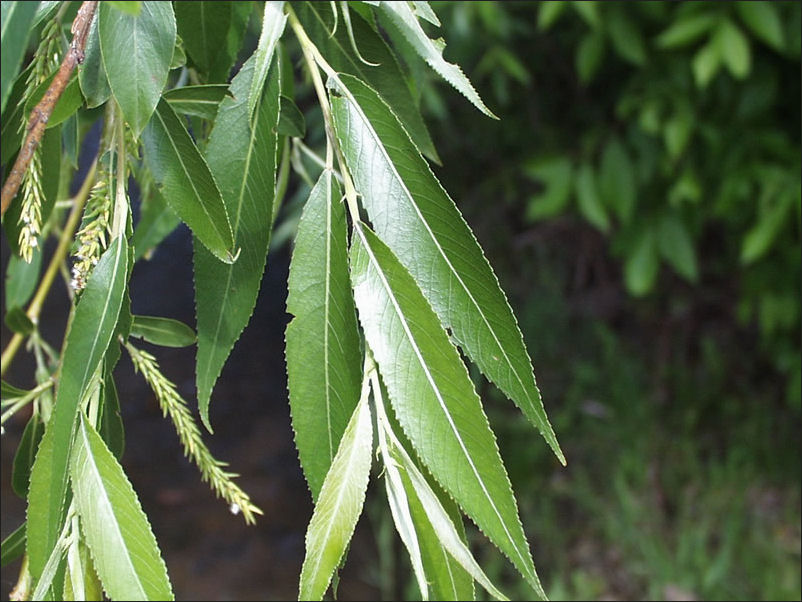
White Willow (Salix alba)
White willow bark is an especially popular herb for headache because it works much like an aspirin, relieving your headache pain and causing the inflammation to go down. Like any painkiller, it should not be taken long term. Once again, be very careful about taking willow with other painkillers and medications – check with your doctor!
Meadowsweet
The bud of the meadowsweet plant naturally contains salicin, one form of the key ingredient in an aspirin tablet, says William J. Keller, Ph.D., professor and head of the Division of Medicinal Chemistry and Pharmaceutics at Northeast Louisiana University School of Pharmacy in Monroe. “Once the salicin from meadowsweet is in the stomach, it breaks down to create salicylic acid, and basically that’s what happens when you take an aspirin,” he explains.
For that reason, centuries-old uses for meadowsweet — for headaches— seem justifiable, it definitely has an analgesic effect. You can test meadowsweet’s painkilling powers for yourself in the form of a tea. Add one to two teaspoons of the dried herb to a cup of boiling water and let it steep for ten minutes before drinking.
Chamomile
This herb has anti-inflammatory and pain relieving properties, helps to ease emotional tension, and is especially helpful for tension headaches.
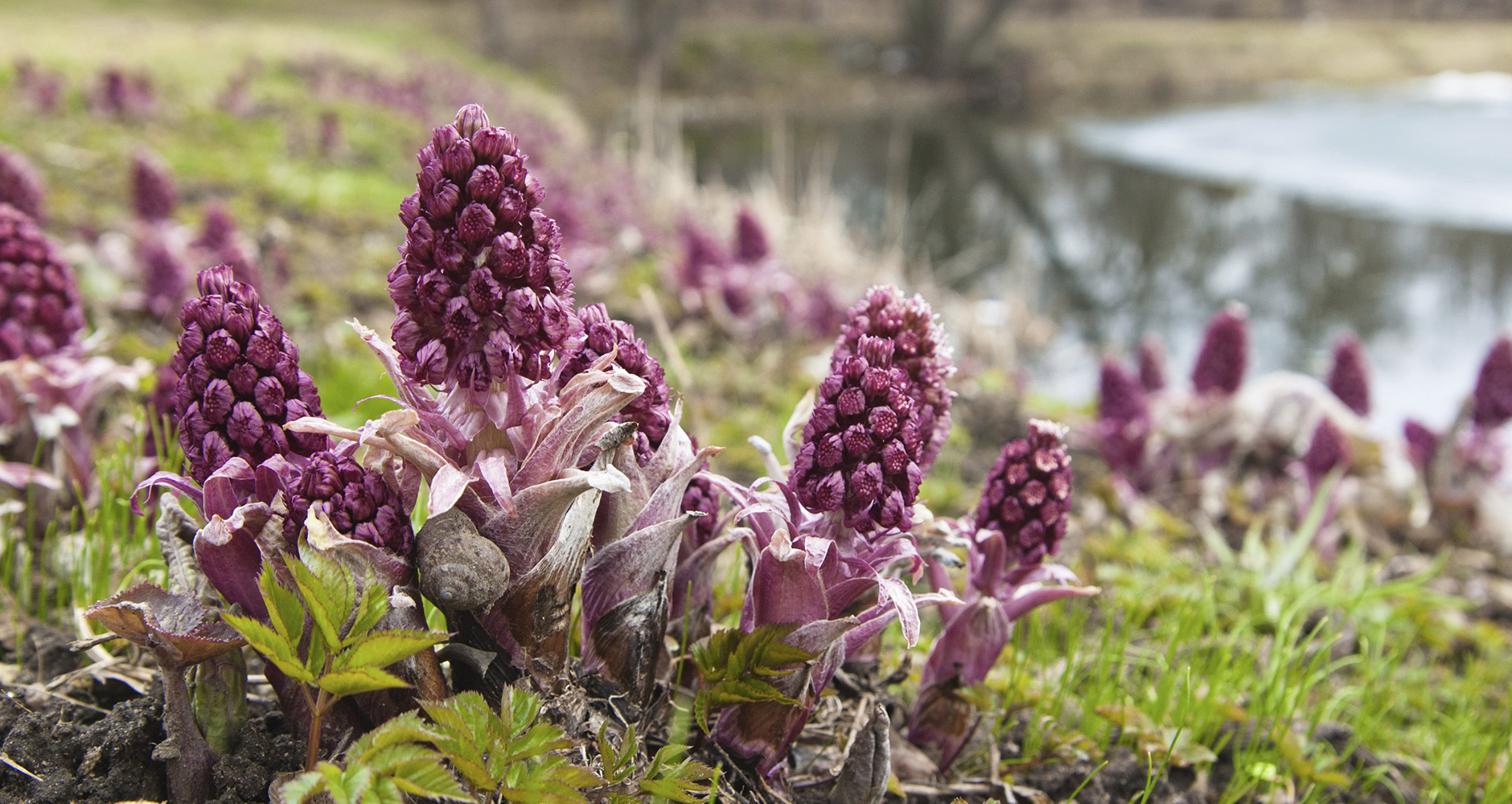
Butterbur extract
Recent studies point to butterbur extract (petasites hybridus root) as a migraine treatment. Butterbur has been recommended for migraine before, but now the scientific evidence is starting to catch up. The dosages in recent studies for both children and adults range between 50mg and 150mg. It is recommended that you use a reliable standardized and safe form of butterbur. In a recent German study, Petadolex was used, which is a butterbur extract.
Headaches almost always begin because of irritation to the arteries or muscles in the head and neck. What causes that irritation is harder to pinpoint. If you’re looking for a natural way to treat headaches, consider simple steps first. Getting more sleep and exercising regularly can help present headaches by relaxing the muscles in your head and neck.
Disclaimer
The Content is not intended to be a substitute for professional medical advice, diagnosis, or treatment. Always seek the advice of your physician or other qualified health provider with any questions you may have regarding a medical condition.