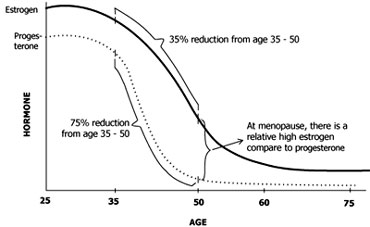
Menopause is a medical term used to describe the time one year AFTER you stop having periods, which occurs around age 51. But the ten or more years before your ovaries go “two claws up” can put you on a hormonal roller-coaster ride every month.
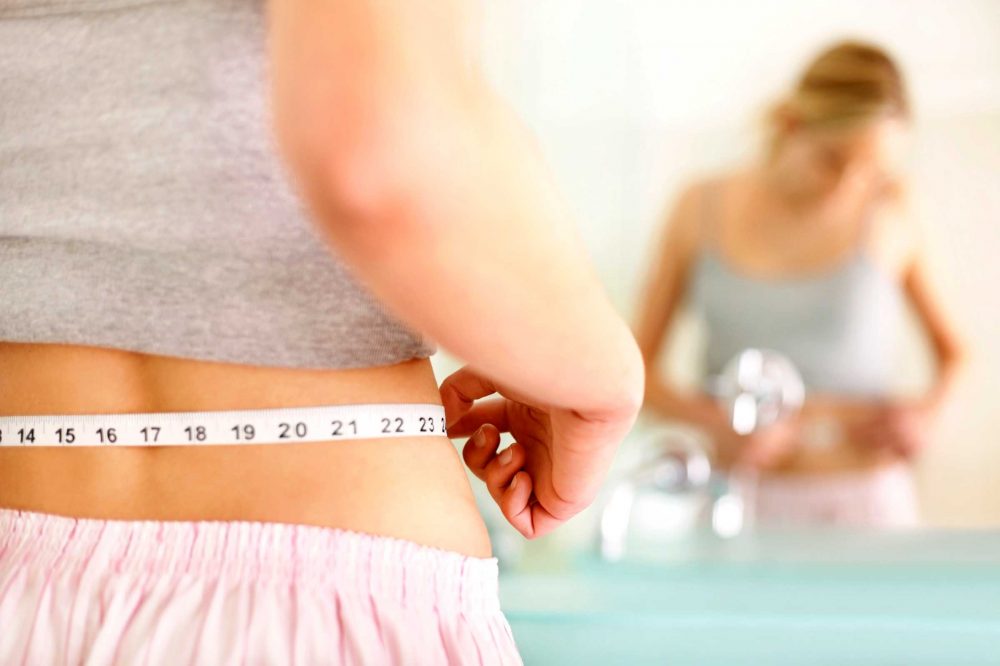
During 35- 55 women experience either gain weight or find that maintaining weight becomes more difficult with progression in age. You also discover that the weight you gain tends to accumulate around your stomach, rather than your hips and thighs. On average, women may experience a gain of approximately 10-15 pounds in the years surrounding menopause.
But you don’t have to accept weight gain as inevitable. Take steps to prevent weight gain before it starts. And if you’ve already begun adding to your waistline, it’s never too late to reverse course through proper diet and exercise.
Causes of menopausal weight gain
- levels of estrogen – Shift in the level of estrogen is one of the causes for menopausal weight gain. With the ovaries declining in their production of estrogen, the fat cells can “take up the slack” of estrogen production to some degree, lessening the effects of declining estrogen
- Reduced physical activity – Menopausal women tend to exercise less than other women, which can lead to weight gain. Decreased physical activity is not only strongly related to weight gain but is also related to the loss of fat-free mass and increased body fat observed in postmenopausal women.
- Increased food intake – Eating more means you’ll take in more calories, which are converted to fat if you don’t burn them for energy.
- Decrease in thyroid function, and subsequently metabolism

- Slowing metabolism – The number of calories you need for energy decreases as your metabolism slows and the amount of muscle you have decreases. Because muscle burns more calories than fat, the less muscle you have, the fewer calories you burn.
- Genetics – Genetic factors may play a role in your weight gain. You might be predisposed to gain weight around your stomach as you age. That means you may have to work harder to maintain your figure.
On average, women gain about a pound a year during the years leading up to menopause. |
For those exceeding their optimal weight, you may set about making small changes to balance your body’s caloric need. To do this, you can either gradually reduce your caloric intake to match your body’s need, or increase your metabolism. A good way to increase your metabolism is with regular exercise. Both aerobic and weight training exercises can help. Aerobic exercise burns fat, while weight training can build muscle, which in turn burns more calories
Currently, the most effective behavioral approach for management of overweight and obesity is a combination that includes:
- Reduced caloric intake (typically 1,000 to 1,200 kcal/day for women)
- Dietary fat reduction (30% of calories)
- Increased physical activity (at least 30 min of moderate-intensity activity on most days of the week)
- Behavioral guidance
Keep a food diary for a week and write down every single mouthful that passes your lips. You might be amazed at just how much you’re eating without even realizing it.
Related Links
- Exercise: Menopausal woman’s best friend
- Health and fitness needs for women at 40
- Top 10 tips to beat the biological clock
- Top 10 Exercise Options at 40
Disclaimer
The Content is not intended to be a substitute for professional medical advice, diagnosis, or treatment. Always seek the advice of your physician or other qualified health provider with any questions you may have regarding a medical condition.