Maintaining a sensible eating pattern throughout life, combined with regular physical activity, can help a woman maintain a healthy weight with which she feels comfortable. This might seem easy to read, but with today’s hush and rush of life, women have been left with a lesser time to think about their nutrition.
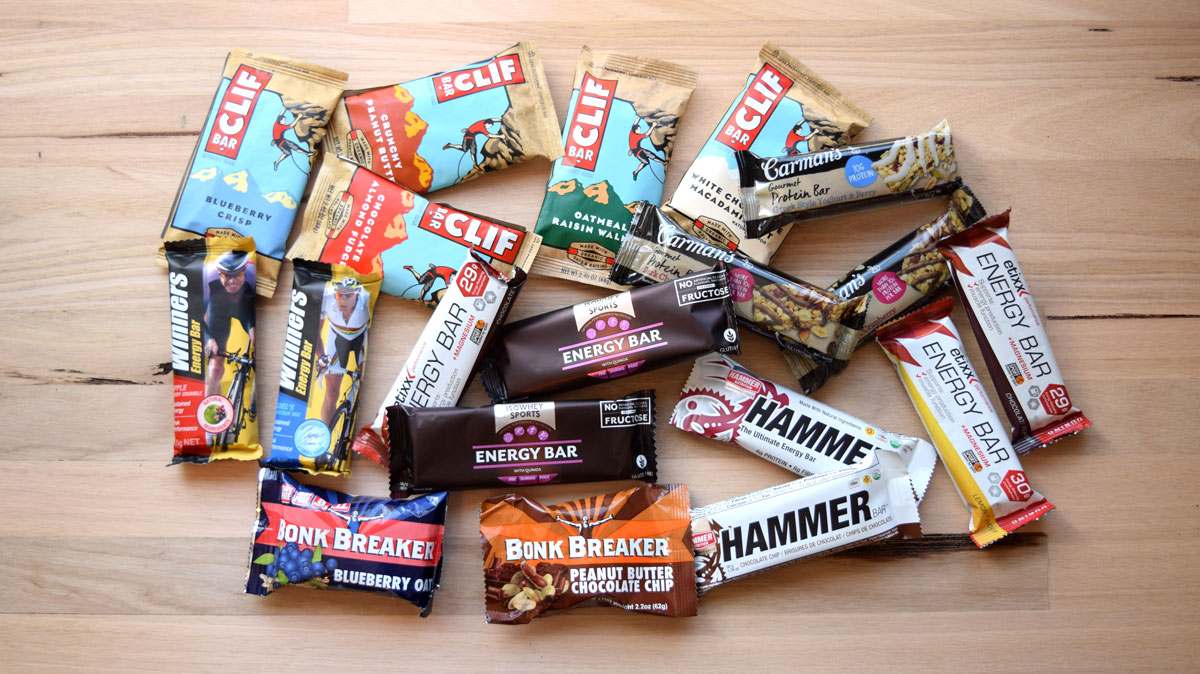
Result being an increasing use of ready-to-eat nutrition bars (Energy Bars, Protein Bars, Diet Bars, and Meal-Replacement Bars) to provide the body with much needed nutrition. The best part about these bars is the convenience — after all, they’re neat, they’re small, and you can grab one during a work break.
Nutrition bars go by many names including:
- Meal-replacement bars- contain proportionally higher amounts of carbohydrates, proteins and fats.
- Energy bars- contain more carbohydrates,
- Protein bars- are simply higher in protein, and
- Diet or weight loss bars- claim to contain fewer carbohydrates.
(Bars may also include vitamins and minerals or other ingredients permitted only in dietary supplements, such as ephedra, and therefore must be labeled as supplements, rather than foods. Consumers should read labels carefully before using nutrition bars or offering them to children.)
Nutrition bars are generally much larger by weight than snack bars (such as granola bars) or candy bars (such as chocolate bars) and have a much higher protein content — generally 10 grams to 30 grams of protein in a nutrition bar versus little or no protein in a snack bar or candy bar.
These days you can find a never-ending list of nutrition bars lying at the stores. Next time when you go looking for nutrition bars do not forget to look for the following specifications by Consumerlab.com.
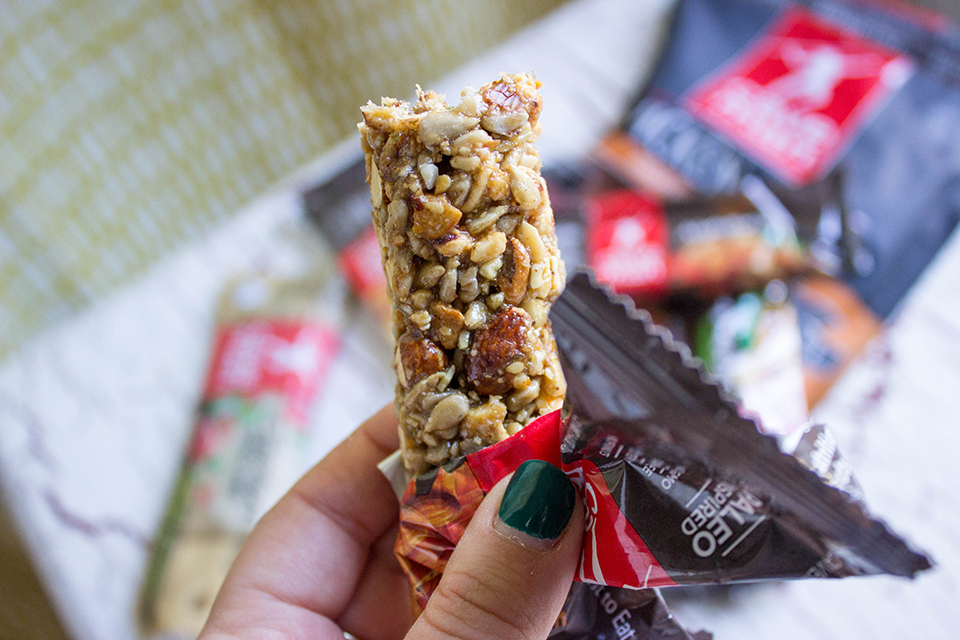
- Look for “servings per package” information on the label when looking for calories and other nutritional figures. Bars can range in weight from about 25 grams (usually 2 per package) to 100 grams each, with the average being about 60 grams.
- They range in calories from about 160 to 420 per serving. If you are not using them as a meal replacement, they can sabotage your best efforts at losing weight if you don’t read labels carefully. To determine if a bar is labeled properly, you may do the following calculation: multiply the listed weight of each component by the number of calories per gram shown below, and add them together for the total amount of calories.
| Carbohydrate (excluding dietary fiber) | 4 calories per gram |
| Protein | 4 calories per gram |
| Fats | 9 calories per gram |
For example, a product labeled as containing 25 grams of carbohydrates, 15 grams of protein, and 5 grams of fat would have 100 calories from carbohydrates (25 x 4), 60 calories from protein (15 x 4), and 45 calories from fat (5 x 9), for a total of 205 calories. Carbohydrates would, therefore, contribute about 49% of the calories, protein would contribute about 29%, and fat would contribute about 22%.
- Be aware of vitamin, mineral, herbs and other special ingredients in products you intend to buy. For example,
- Ephedra (or ma huang): A natural stimulant and appetite suppressant that might be added to bars for dieting or weight management. Ephedra may be dangerous for people with heart disease, high blood pressure, atherosclerosis, diabetes, or hyperthyroidism.
- HMB (Hydroxymethyl Butyrate, Calcium-ß-hydroxy ß-methylbutyrate, or Beta-Hydroxy Beta-Methylbutyric Acid): HMB is a metabolite of the amino acid L-leucine (an important component in muscle). HMB may help increase lean muscle mass and strength for people engaged in weight training. However, because its safety has not been well evaluated, it should avoided by pregnant and nursing mothers as well as children.
You should also be aware that bars, particularly those for “energy,” may also include ingredients containing caffeine such as coffee extract, guarana, or even cocoa. Many bars are also fortified with an array of vitamins and minerals. Recommended Tolerable Upper Intake Levels (ULs) have been established for many of these vitamins and minerals, so it is advisable to keep track of the amounts that you may be ingesting from the bars as well as from other foods and supplements.
- Check on the nutrition bars for they tend to be relatively higher in saturated fat. Try to limit saturated fat to 3 grams or less per bar.
- Most bars claim to be low in salt and cholesterol, with a typical bar containing about 150 mg of sodium and generally fewer than 10 mg of cholesterol. The USDA recommends a maximum of 2,400 mg of sodium and 300 mg of cholesterol per day based on a 2,000 calorie diet for a healthy individual.
- if you’re watching out your weight, fiber is a big bar bonus, since it keeps us full, without contributing excess calories. Kashi Go Lean, EAS Results for Women, and PowerBar Harvest all make the grade. Go for bars with 3 grams of fiber, for weight control.
If you are wondering about the contents of a nutrition bar, see the Product Review of Nutrition Bars by ConsumerLab.com a firm which independently evaluates products that affect health, wellness, and nutrition. ConsumerLab.com purchased samples of many of the nutrition bars sold in the U.S. and tests their nutritional claims.
Disclaimer
The Content is not intended to be a substitute for professional medical advice, diagnosis, or treatment. Always seek the advice of your physician or other qualified health provider with any questions you may have regarding a medical condition.
