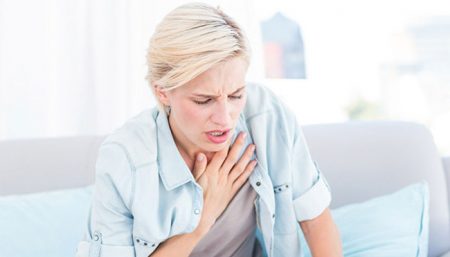
Being seriously overweight can compromise your health and shorten your life. Overweight people-particularly those who were overweight during their young adult years-die earlier than people of average weight. Obesity (being 20 percent or more over your ideal weight) is a risk factor for 5 to of the 10 leading causes of death in the US-heart disease, stroke, some types of cancer, type II diabetes, and arteriosclerosis (buildup of fatty deposits inside arteries). also increases your risk of many other health problems, including gallstones, arthritis, and back pain.
Listed below are Top 10 Health Hazards related to Obesity, 10 reasons to get you going in the direction of a regular exercise program :
1. DIABETES
More than three out of four women with type II diabetes are at least 15 percent over their ideal weight. Excess weight contributes to the development of diabetes by making cells more resistant to the effects of insulin. Insulin is a hormone that acts like a messenger in the body, telling muscle cells and fat cells that calories are on the way. and preparing them to absorb the calories. In an obese person, the fat cells are already packed with sugar (in the form of glucose) and fat and, therefore, do not respond to insulin’s signal. As a result, sugar and fat remain in the bloodstream. The pancreas-the organ that secretes insulin into the bloodstream-reacts by increasing the amount of insulin it produces to overcome the cells’ resistance. In people with diabetes, the pancreas cannot produce enough insulin to over come this resistance and the level of sugar continues to rise in their blood.
Type II diabetes is more common among blacks, Native Americans, and Hispanics than whites,. In all groups, the risk increases with age, being overweight, or having a family history of the disease. If you have any of these risk factors, ask your doctor if you should be tested for diabetes. For many people who are at risk of type II diabetes, exercising and regularly losing weight can prevent the onset of symptoms.
2. HIGH BLOOD PRESSURE
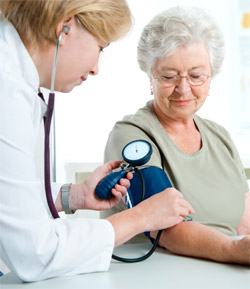
High blood pressure, or hypertension, is a major risk factor for heart disease and stroke. Blood pressure tends to increase with weight gain and with age. More than half of all women over age 55 and two thirds of women over 65 have high blood pressure.
It is not clear why obesity is a major cause of high blood pressure. It may be because blood needs to be under greater pressure to circulate through a larger body. Or it may be that a high level of insulin in the a blood which is common in people who are obese causes a rise in blood pressure. If you have high blood pressure, losing weight may help you lower it. A weight loss of as little as 7 pounds can reduce blood pressure to a safe level in overweight people who have moderately high blood pressure.
3. UNHEALTHY CHOLESTEROL LEVELS
Obesity can raise your total cholesterol level and alter your cholesterol profile. Many women face a double risk as they age because both with advancing age. More than half of women 55 and older have elevated levels of cholesterol.
Women who are overweight have lower levels of high density lipoprotein (HDL) cholesterol, the protective cholesterol that reduces your risk of heart disease, and normal to high levels of the harmful cholesterol, low density lipoprotein (:LDL). These relative proportions of cholesterol types low HDL and normal to high LDL increase your risk of heart disease. Losing weight and exercising regularly can raise your level of heart protecting HDL and reduce your level of damaging LDL which can significantly reduce your risk of heart attack or stroke. Obesity can also cause fat to build up in your liver, enlarging it. If you also drink an excessive amount of alcohol and eat a poorly balanced diet, fat and eat a poorly balanced diet, fat buildup in your liver can lead to severe liver damage.
4. HEART DISEASE
More than one third of cases of heart disease in women are linked to being overweight. The more overweight a woman is, the higher her risk of developing heart disease. Women who are more than 30 percent over a healthy weight are three times more likely than other women to develop heart disease. But even a weight gain of 10 pounds can increase your risk.
Excess weight is linked to heart disease mainly because it raises blood pressure and cholesterol level and can lead to type II diabetes. High blood pressure, high cholesterol level, and diabetes are major risk factors for heart disease. The way in which fat is distributed on your body also affects your risk. Women who accumulate fat around their waist are at greater risk of heart disease than are women who accumulate fat on their hips and thighs.
If you are overweight, losing as few as 12 pounds may reduce your risk of developing heart disease. You can lower your risk even more if you also exercise regularly. Regular exercise can raise your level of helpful HDL cholesterol. This type of cholesterol protects against heart disease by cleansing the arteries of fat and lowers your level of harmful L’DL cholesterol, (which causes fat to build up in the blood).
5. STROKE
Most strokes are caused by the same narrowing of the arteries that causes a heart attack. A stroke is damage to the brain that results from a blockage in an artery that supplies blood to the brain. A less common form of stroke is caused by rupture of a blood vessel in the brain that usually occurs after the blood vessel has been weakened by high blood pressure. Both high blood pressure and fat buildup in artery walls (arteriosclerosis ) are made worse by obesity. The distribution of fat around the waist and in the abdominal area may also increase the risk of stroke.
6. CANCER
 Women who are significantly overweight are at increased risk of risk of cancer of the endometrium (the lining of the uterus). If you are obese and your periods are irregular. It is important for you to have regular gynecologic checkups to rule out endometrium cancer. In some women who are obese, hormones released by the pituitary gland in the brain (to help regulate the menstrual cycle) and the female hormone estrogen do not fluctuated normally during the menstrual cycle. This hormone imbalance can prevent ovulation ( release of an egg from an ovary). If you do not ovulate, your body does not produce the balancing hormone progesterone, which limits the growth of the endometrium and causes it to break down and leave your body in the form of menstrual blood.
If you are not ovulating and your periods are irregular, the endometrium may continue to grow abnormally. This abnormal growth can cause abnormal cell changes that could lead to cancer if they are not detected at an early stage and treated If your periods become more frequent or less frequent or abnormal in any other way see you doctor.
7. GALLSTONES
Obesity causes the liver to secrete excessive amounts of a fluid called bile, which is stored in the gallbladder. Bile is necessary for the body to digest fats. But an overproduction of bile sets the stage for the formation of gallstones (solid lumps the formation of gallstones (solid lumps of various sizes inside the gallbladder). Gallstones occur three to four times more frequently in women who are overweight than in women of normal weight. The incidence rises with advancing age and increasing weight.
Gallstones are sometimes painless and cause no symptoms. But when the stones block the exit of bile through the bile ducts into the intestinal tract, they can cause symptoms of indigestion or severe abdominal pain. If you have chronic pain in the right upper part of your abdominal area especially after eating a high fat meal talk to your doctor. He or she may recommend an ultrasound scan to help determine if you have gallstones.
8. INFERTILITY
Obesity sometimes leads to changes in hormone levels that can result in a failure of the ovaries to release eggs regularly. This abnormality, called an ovulation, is associated with irregular or absent periods and infertility.
An ovulation can also result in excessive production of male hormones by the ovaries, which may cause symptoms such as acne and excessive hair growth.
 9. JOINT PROBLEMS
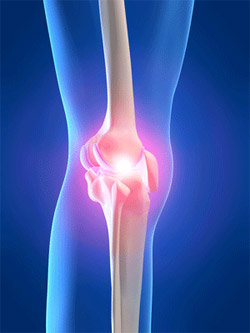
Excess weight puts extreme pressure on your joints, sometimes causing inflammation in the joints (known as arthritis). Obesity is also a factor inosteoarthritis a form of arthritis that is caused by wear and tear on the joints. Osteoarthritis primarily affects the weight- bearing joints of the knees, hips, spine, and ankles.
10. BACK PAIN
Excess weight, especially in the abdominal area, can put strain on one of your body’s most vulnerable parts the spine. Lower back pain is especially common in women who are obese. The best treatment for lower back pain is weight loss and exercises that strengthen the muscles that support the lower back.
The sooner you take off the extra pounds with a slow, sensible weight-loss program, the better for your health. It’s much easier to lose 20 pounds than 50 and it’s easier to keep the weight off over the long term if the weight loss is reasonable. To determine whether you are overweight to the extent that your health is in danger, click here.
Disclaimer
The Content is not intended to be a substitute for professional medical advice, diagnosis, or treatment. Always seek the advice of your physician or other qualified health provider with any questions you may have regarding a medical condition.