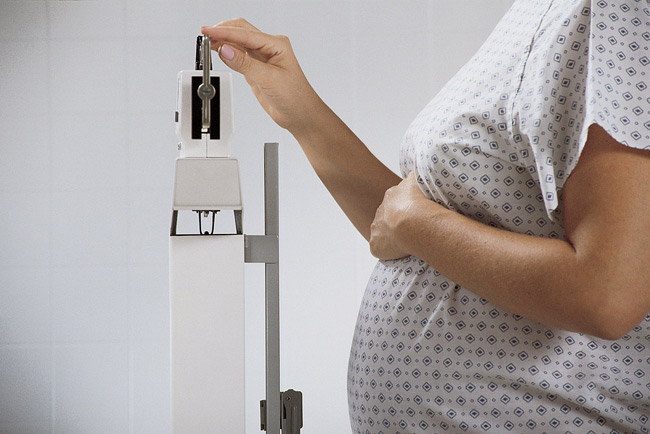
Obese women are known to have more difficulty becoming pregnant and also are more likely to miscarry. Excess weight could exert its effects either by acting on the ovaries, which produce eggs, or on the endometrium, where the fertilized egg implants. Additionally, overweight and/or obese (compared to normal weight) females have a greater incidence of reproductive-related disorders, cancer of the breast, cervix, ovary and uterus, adverse pregnancy outcome and pregnancy-related disorders, reproductive endocrinologic problems, infertility and urogynecologic disorders, to name a few.
Although the exact mechanisms of how obesity affects fertility are not well understood, there is
- an apparent insulin-mediated hyperstimulation of ovarian steroid production and
- decreased sex hormone-binding globulin.
Obesity has also been associated with an increased risk of early pregnancy loss after IVF, decreased pregnancy rate, decreased fertilization, higher gonadotropins requirements, as well as an impaired response to gonadotropins. The cause of a poor IVF treatment outcome may be due to poor oocyte quality with subsequent lower fertilization and/or implantation defects caused by a qualitatively poor endometrial milieu.
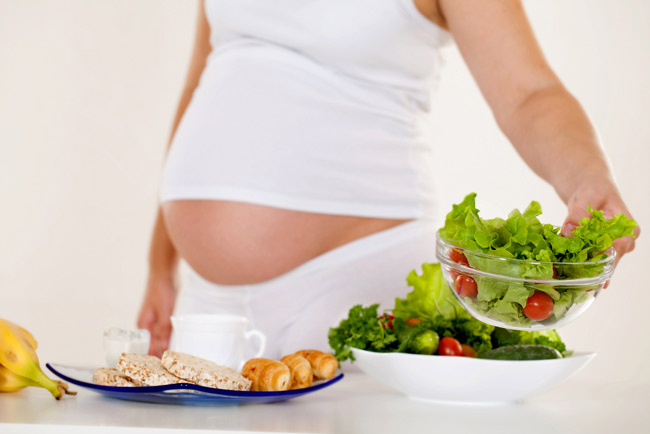
Finally, there are a number of endocrine changes that are associated with being overweight or obese, indicated below. For example, weight gain affects fertility by leading to changes in the way the body deals with sugar, which increases the output of insulin. This in turn causes other hormones to become imbalanced, which can impact on the ability of the ovaries to function properly. The hormonal changes are among the most important. Irregular menses and frequent anovular cycles are common, and the rate of fertility may be reduced
|
Increased |
Decreased |
|---|---|
|
|
|
|
Leptin in plasma |
GH |
|
|
|
|
TSH (upper normal range) |
Ghrelin |
|
|
|
|
Insulin |
Adiponectin |
|
|
|
|
IGF-I |
|
|
|
|
|
Androgens |
|
|
|
|
|
Progesterone |
|
|
|
|
|
Cytokines (IL-6) |
|
|
|
|
| ACTH/cortisol |
|
|
|
|
| Sympathetic nervous system activity |
|
Infertility treatment should include a multidisciplinary approach to weight management that fosters lifestyle change through proper diet, exercise, behavior modification and stress reduction in concert with pharmacologic approaches when indicated.
By providing a more holistic approach to obesity and reproductive health pre-conceptually, we may be able to have a powerful impact on our patients by enhancing their chances of conception, achieving a healthy obstetric outcome and possibly enhancing their overall health.
Tips for improving fertility
- Avoiding processed foods and switching to a healthy, balanced diet of whole foods could get the ovaries functioning again.
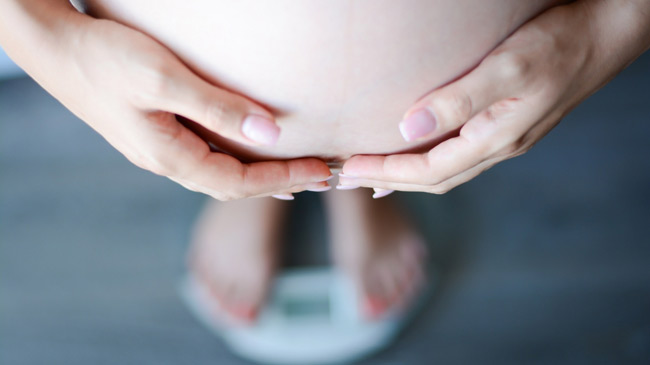
- There was a better chance of improving fertility if an overweight or obese woman brought her weight back to a healthy range. Even losing five kilograms can make a difference.
- A moderate exercise program should be formulated with the supervision of a physician so as to minimize health complications associated with obesity. Exercises can include walking, swimming, cycling and yoga. An exercise regimen should be developed slowly, until the woman is working out for up to 30 minutes a day, three to four times a week. Exercise can also be used to help counteract the stress associated with fertility treatment procedures such as IVF.
- Exercise, such as Pilates and yoga, releases endorphins which condition the body to respond in a more healthy manner to stress and also improves overall mental health, thereby improving a woman’s chances of getting pregnant.
Disclaimer
The Content is not intended to be a substitute for professional medical advice, diagnosis, or treatment. Always seek the advice of your physician or other qualified health provider with any questions you may have regarding a medical condition.