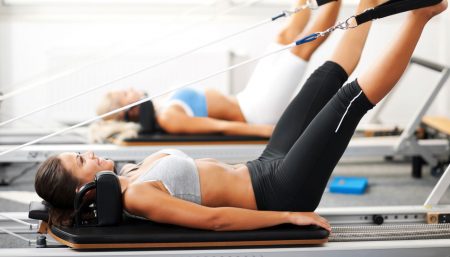
Good posture is vital. It affects your image and sends signals to others. A woman with a shuffling slouch does not look confident or like she has much to offer, she seems to be retreating into herself, and she may be left there, alone. Many therapists confirm that the stronger and happier we are, the better our posture.
Posture is the window to the spine. If posture is out of balance, then the spine is out of balance, putting unhealthy pressure upon your nervous system. Activities as subtle as sleeping, standing or walking abnormally; to more obvious traumas like emotional stress, work or auto injuries, computer work, recreational injuries and even the birth process itself can result in spinal imbalance. Your spine is the most important factor affecting your posture. In order to have the best possible posture (and health), your spine has to be in the best possible condition. When your spine is out of alignment, this can lead to early degeneration and decay of your spine as well as pinched nerves.
Posture also affects your health. Rounded shoulders prevent the lungs from functioning correctly and giving you the puff you need under stress. Slouching couch-potato-like for hours every evening can eventually cause the ‘scrunching’ of your inner organs and the inhibition of proper digestion.
Distribute body weight evenly to the front, back, and sides of the feet while standing. While sitting in an office chair, take advantage of the chair’s features. Sit up straight and align the ears, shoulders, and hips in one vertical line
A Strong back
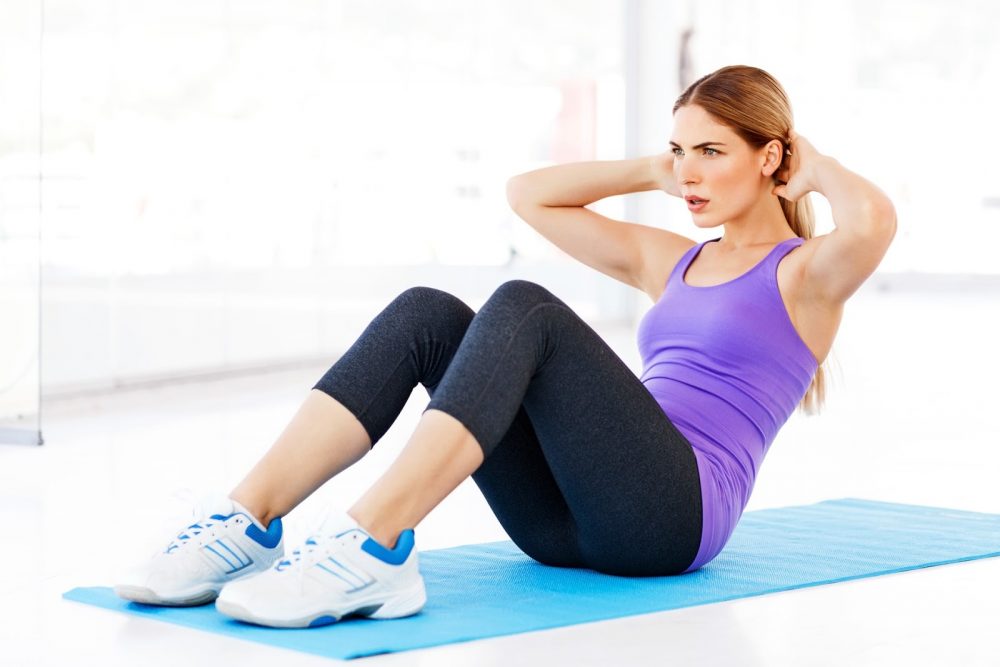
Good posture is about strength and balance. If you are a flabby, wilting wreck, you will have to build up before you can stand up. An erect back relies not only on a straight spine but also on strong tummy muscles. That’s why doing sit-ups and pelvic tilts trims the waistline as well as helping to prevent back problems. You can practice scooping your lower tummy muscles and rocking your pelvis back and forth when sitting or standing.
Lie on the floor every day with legs bent into your chest. Roll your legs slowly from side to side, keeping the upper body and the arms flat on the floor. Do this ten times (five times to each side). This is a key exercise to keep the back flexible as well as strengthen the pelvic and tummy muscles.
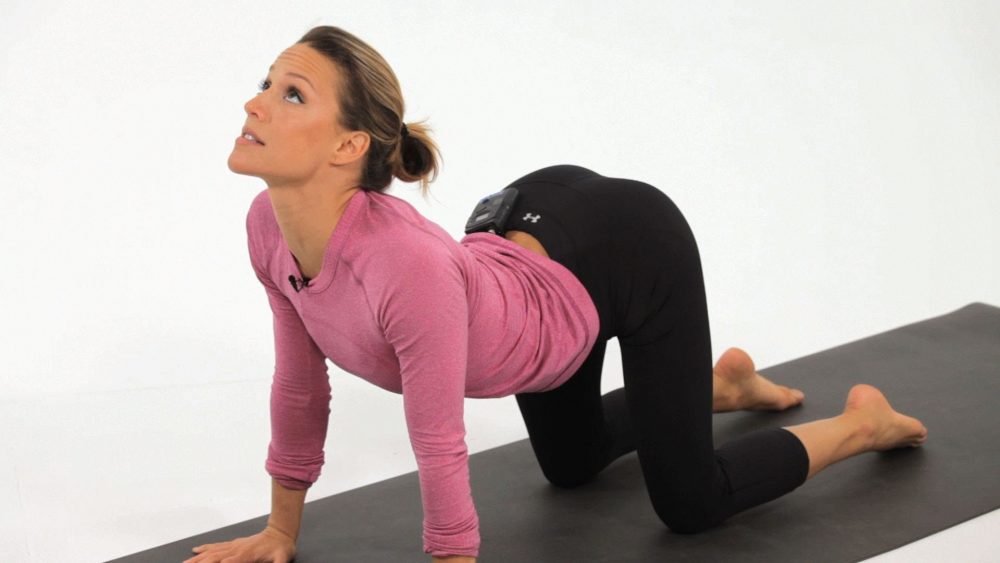
The ‘cat position’ from yoga strengthens the spine and releases tension built up over the day or a night’s sleep. Kneeling on all fours, arch your back, letting your head drop down. Hold for twenty seconds. Then do the reverse and curve the back, with your bum and head raised. Ease into this stretch, and work through five of each.
Squat whenever possible to pick things up. If this is a strain you need to practice doing squats to make it easier. You’ll not only save your back but also tone your bum as a result.
Straight shoulders

Take a weight off your shoulders by working out the tension in your neck. If you drive any distance, sit at a desk or in front of a computer for hours on end every day, you must do corrective exercises to strengthen your neck muscles and relieve tensions and potential knots.
Roll your head, gently and easily, to the side, holding your ear down towards your shoulder for ten counts. Do this five times on each side twice a day. Then drop your head to your chin and hold for five seconds. Do not drop your head backwards as you don’t have enough muscle support to hold the head too far in that direction.
Remember, any single position, even a good one, will be tiring if held for long. In order to maintain a relaxed yet supported posture, change positions frequently. Being aware of posture at work, at home, and at play is a vital step towards instilling good posture. This includes making conscious connections between episodes of back pain and specific situations where poor posture may be the root cause of the pain.
Disclaimer
The Content is not intended to be a substitute for professional medical advice, diagnosis, or treatment. Always seek the advice of your physician or other qualified health provider with any questions you may have regarding a medical condition.