According to the ancient Sanskrit texts Pranayam is a proper breathing technique which can lead us into meditation to heal our mind, body and spirit.”Pran” means vital force of energy, because of it every living creature breathes and “Ayama” is the storing and distribution of energy.
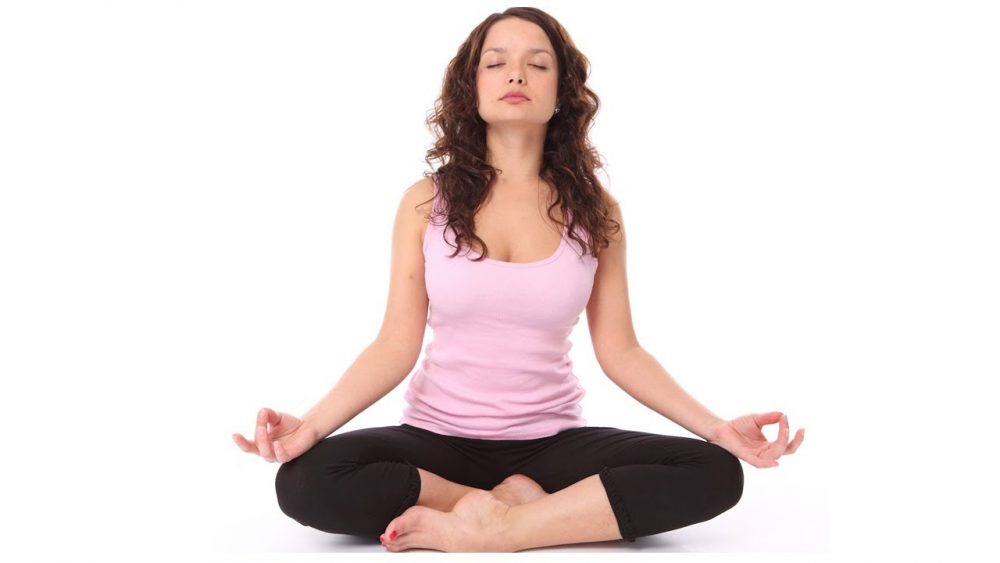
With the increasing pressure of time and work load almost all of us forget to breathe properly, our posture is almost invariably poor and we go through life using hardly 30 per cent of our lung capacity. As the cells of organs such as the heart, lungs, brain cells, blood, muscles and bowel get deprived of oxygen, disease slowly starts developing. Therefore, it is important to learn correct breathing, and maintenance of correct posture . According to the ancient Sanskrit texts Pranayam properly done can cure all diseases, but wrongly done will invite the same diseases! The key to perform Pranayama is to loosen the body from the head to the toe and become an observer to all our thoughts.
Essentials of performing Pranayam:
- Practice of Pranayama in a tranquil, open and clean environment is ideal.
- Pranayama should be performed only on empty stomach and after passing clear motion.
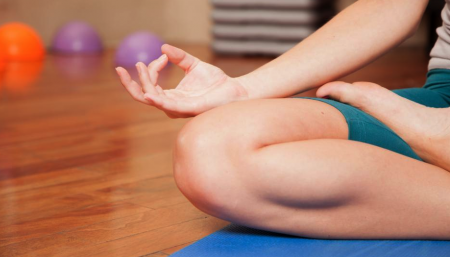
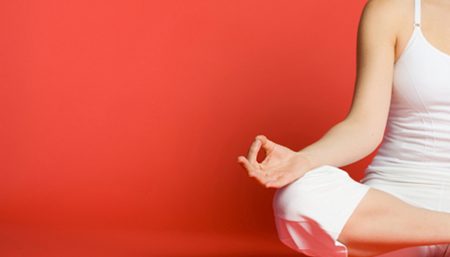
- Performing Pranayama in a Lotus posture is ideal. In this posture the backbone is absolutely straight and hence there is a flow of blood in each and every vertebrae of the body. Since the ribs are upright there is full oxygen flow in the lungs. Because of this the distribution of the Prana Vayu (flow of energy) takes place in a complete and systematic way.
- During retention of breath, learn to retain the first indrawn breath with stability. If stability is lost, it is better to release the breath , rather than strain to hold it.
- Attempt Pranayama only when the yoga asanas have been mastered.
- It has to be practiced with the greatest sincerity and precision. One has to be ready for Pranayama.
- Take care not to disturb or jerk the vital organs and nerves, or stress the brain cells.
Pranayam in action: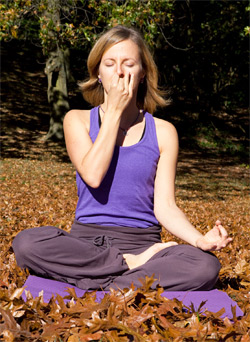
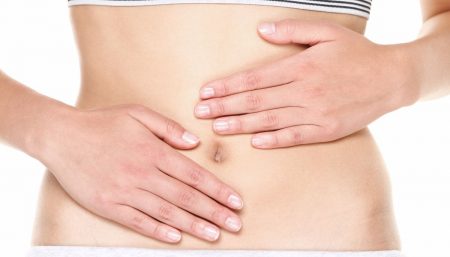
Sit in asana. Breathe inside slowly, very slowly, allowing the smooth passage of prana to each molecule, fiber and cell of the body. Expand diaphragm, so more air will come in lungs. Hold for 4/5 seconds. Exhale slowly by contracting diaphragm giving the air cells sufficient time to re-absorb the residual prana to the maximum possible extent. Again hold breath out for 4/5 seconds. Repeat 3-4 times.
During Pranayama one should be totally in fineness of inhalation, exhalation and in the naturalness of retention. Each inhalation activates the Central Nervous System into stimulating the peripheral nerves and each exhalation triggers the reverse process. During retention of breath, both processes take place. While inhaling or retaining the breath in pranayama cycle, remember to ensure that the abdomen does not swell.
Benefits of Pranayam:
In pranayama breathing, the brain is quiet and this allows the nervous system to function more effectively. Benefit of pranayam is that mind gets steady & sharp. Concentration power increases. Mind can be focused on any micro thing. By practicing Pranayama, we learn to move energy vertically, horizontally and cyclically to the frontiers of the body. Another benefit is that out of triguna- Satvaguna increases and Rajoguna (Wayward), Tamoguna (lazy) decreases. Increase in satvaguna (seven healthy characteristics) is very necessary for human’s spiritual development.
If you fail after a few cycles, be content with the knowledge that you have practiced three-four cycles with awareness and attention. Do not turn away from failures. Accept them and learn from them. Gradually you will learn to master Pranayama.
Related Links
- Check with your doctor
- Before Starting Yoga
- Yoga Asanas & Exercise
- Pranayam
- Proper Diet
- During Pregnancy
- Yoga Articles
- Yoga Top 10
Disclaimer
The Content is not intended to be a substitute for professional medical advice, diagnosis, or treatment. Always seek the advice of your physician or other qualified health provider with any questions you may have regarding a medical condition.