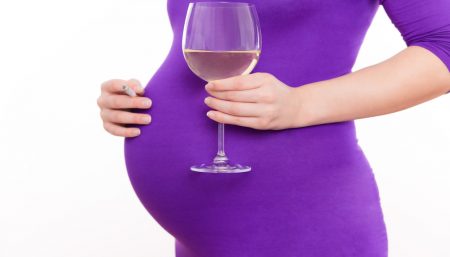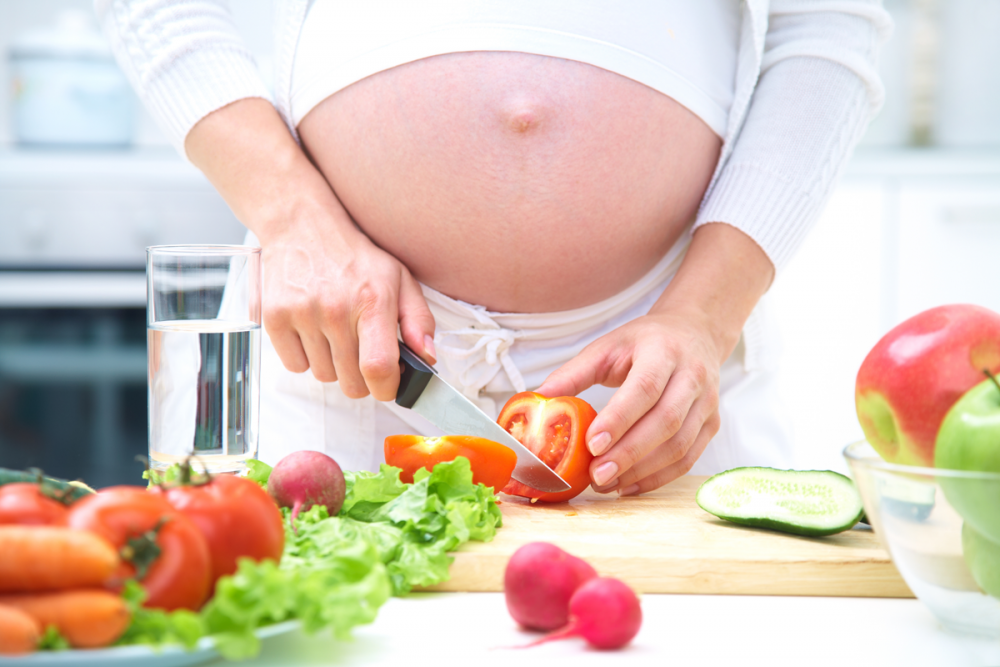
Nutrition during pregnancy is serious business. Research has shown that when mothers-to-be eat poor diets, there is an increase in risk of low-birth-weight infants, particularly in women with poor health and nutrition status before pregnancy. The risk is compounded by lifestyle choices, such as smoking, that may affect pregnancy outcome.
The March of Dimes suggests the following daily food portions for a pregnant woman:
|
There are a few critical nutrients that play particularly important roles in fetal development. The increased demand on your system, plus the developing fetus, requires lots of extra nutrition. However, because your calorie needs don’t increase enough to guarantee that quantity eating will take care of making sure you get those needed nutrients, you will have to pay special attention to your diet, and also take an appropriate supplement. Those important nutrients are:
- Calories: Despite that fact you don’t need too many more, those extras that you do need are very important. Proper weight gain on your part is needed to make sure your newborn is delivered at a healthy weight. Add 200 to 300 calories per day during the second and third trimesters.
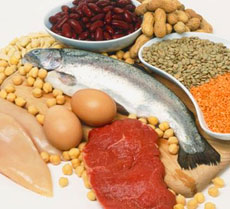 Protein: Protein provides materials for the growing tissues, including the placenta, the mother’s blood and the baby. Get three good servings a day from tofu, beans, chicken, fish (shellfish, canned fish, smaller ocean fish or farm-raised fish), meat or eggs. The National Academy of Science suggests a daily intake of 74 grams of protein during pregnancy.
- Calcium: This mineral is needed for proper bone formation in the baby and to help preserve the mother’s bone strength. The need for calcium is most crucial during the last three months, when fetal bone formation takes place. If the mom’s diet doesn’t supply enough calcium, the fetus will draw the calcium it needs first, leaving the mother in a depleted state. Drink a little more than one quart of milk a day to ensure you get enough. This amount of milk will also make a significant contribution toward your protein intake.
 Iron: An iron supplement is recommended during pregnancy since it is so difficult to get enough in your diet. The National Academy of Science recommends pregnant women take a supplement containing 30 mg. of iron a day during the second and third trimesters. Most of this iron is needed during the last three months because that is when the baby is accumulating it for use during early life. Moms also need this extra iron to replenish their red blood supply and to accommodate the demand created by increased blood volume.
- Folic Acid: This is a B vitamin needed for proper cell division. Folic acid taken while trying to conceive and in early pregnancy can help prevent certain birth defects of the brain and spine. Studies show a reduced risk of spina bifida (open spine) and anencephaly, by about 50 percent. Get 400 micrograms a day at least one month before becoming pregnant because these birth defects develop during the first month after conception, before most women know they are pregnant. A vitamin supplement is the best way to ensure you have met you requirements. Include foods like orange juice, spinach and legumes.
- Fluids: You need extra fluid to feed your increased blood volume and for amniotic fluid. Drink at least six to eight glasses of liquid a day. Holding back on them won’t alleviate the swelling you may have during pregnancy, in fact, too little fluid can tax your kidneys, and cause them to retain fluid to ensure there’s enough in your body.
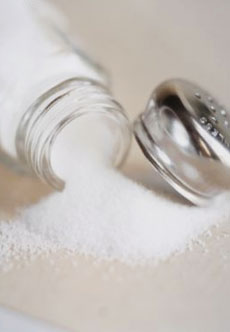 Sodium: This is important during pregnancy. Sodium helps to regulate the water in the body. 2,000 to 8,000 milligrams of sodium a day is recommended during pregnancy. There are 2,325 milligrams of sodium in one teaspoon of salt, and because salt is in most foods, the increased need for it during pregnancy is not too difficult to achieve
- Zinc: (15 mg)- Low levels could mean longer labor, low birth weight, and health problems. Sources of Zinc are red meats, poultry, beans, nuts, whole grains, fortified cereals, oysters, and dairy products.
- Vitamin A & Beta Carotene: (800 mcg)-Helps mom and baby’s cells grow and stay healthy. Food sources include-Liver, milk, eggs, carrots, spinach, green and yellow vegetables, broccoli, potatoes, pumpkin, yellow fruits, and cantaloupe.
- Vitamin D (10 mcg)-Helps develop baby’s skeletal system. Prevents “rickets.” Different sources are Milk, fatty fish (shellfish, canned fish, smaller ocean fish or farm-raised fish), egg yolks,and a little sunshine.
- Vitamin E (800 mcg)- Helps baby grow
 and develop at a normal rate. It is found in vegetable oil, margarine, wheat germ, nuts, spinach, and fortified cereals.
 - Vitamin C (60 – 85 mg)- An antioxidant that protects tissues from damage and helps mom’s body absorb iron. Builds healthy immune system for baby. In order to get adequate Vitamin C include citrus fruits and juices, bell peppers, green beans, strawberries, papaya, potatoes, broccoli, and tomatoes in your diet.
- Thiamin/B1 (1.5 mg)– Raises mom’s energy level, and regulates mom and baby’s nervous system. Dietary sources include whole grain, fortified cereals, wheat germ, organ meats, eggs, rice, pasta, berries, nuts, legumes, and pork.
- Riboflavin/B2 (1.6 mg) Maintains energy, good eyesight, and healthy skin for mom and baby. Found in meats, poultry, fish (shellfish, canned fish, smaller ocean fish or farm-raised fish), dairy products, fortified cereals, and eggs.
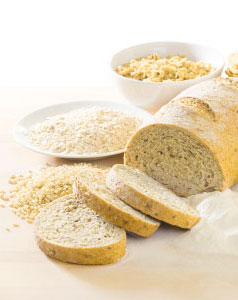 Niacin/B3 (2 mg)- Maintains energy levels and nervous system, and helps mom and baby have beautiful skin. Can be found in high-protein foods, fortified cereals and breads, meats, fish (shellfish, canned fish, smaller ocean fish or farm-raised fish), milk, eggs, and peanuts.
- Pyridoxine/B6 (450 mg) -Helps calm mom’s tummy. Dietary sources are chicken, fish
(shellfish, canned fish, smaller ocean fish or farm-raised fish), liver, pork, eggs, soybeans, carrots, cabbage, cantaloupe, peas, spinach, wheat germ, sunflower seeds, bananas, beans, broccoli, brown rice, oats, bran, peanuts.
Pregnant women also frequently worry about weight gain. It’s generally recommended that a woman of normal weight gain approximately 25 to 30 pounds during pregnancy – about 2 or 3 pounds each month. For individuals who start their pregnancy overweight, their total weight gain should be closer to 15 to 25 pounds. And those who are underweight should gain 28 to 40 pounds.
Related Links
- About Weight Gain During Pregnancy.
- Calorie and Protein intake during pregnancy.
- Fish to Avoid During Childbearing Years
- Diet to minimize the risk of a Miscarriage
Disclaimer
The Content is not intended to be a substitute for professional medical advice, diagnosis, or treatment. Always seek the advice of your physician or other qualified health provider with any questions you may have regarding a medical condition.