According to some experts, images of svelte celebrity mums-to-be such as Nicole Kidman and Richie with their “barely-there” bumps are inspiring expectant mothers to diet and exercise to excess to stay slim during pregnancy and speed the departure of those post-baby pounds. Some experts also believe that changes in shape and weight during pregnancy may exacerbate or rekindle latent anxieties and lead to a relapse of the disorder. One study even reported a worsening of symptoms in pregnancy in women with either anorexia nervosa or bulimia who were symptomatic at conception.
Not surprisingly, like the pressure for the perfect six-pack and toned thighs, the pressure to be a fit, trendy mom trickles down from the media and Hollywood. It’s tough not to pay attention to the images of slim and trim celebrities — with petite frames and tiny baby bumps just days before they’re due — or focus on the magazine covers revealing post-pregnancy weight-loss secrets.
Daily Calorie Needs During Pregnancy:First Trimester – 85 Extra Calories
Second Trimester – 285 Extra Calories
Third Trimester – 475 Extra Calories |
By starving the body and the baby, there are many, many physical complications that may occur. Here are just a few listed below:
- Miscarriage
- Severe vitamin deficiency both for mother and child
- Low Iron levels (low iron levels can lead to anemia and even heart palpitations for both mother and child)
- Low birth weight for the baby- This is linked to many problems including psychological disorders,depression, heart disease, stunted cognitive development. In the case of pregnant women, where a weight gain of around 25 lbs is expected and desirable, this lack of nutrition to the growing child can result in premature childbirth, dangerously low birth weight and medical complications including neurological and other development damage to the baby, including conditions such as spina bifida.
- A primary danger for the mother, however, is in the act of childbirth itself. Some dangerously underweight women may experience heart failure during natural childbirth and yet are not strong enough to endure a Caesarian Section operation and the healing afterwards may be very difficult.
The immune system may become severely compromised, and the sufferer will succumb to previously small infections such as the common cold with increased discomfort and danger to her health. The invisible effects, however, are those on the internal organs. The primary victim of Anorexia Nervosa is the heart, and many sufferers succumb to heart disease, traditionally seen to be the disease of the overweight. Another severe effect is on the bones which can become brittle and show signs of early onset osteoporosis, usually a condition of old age.
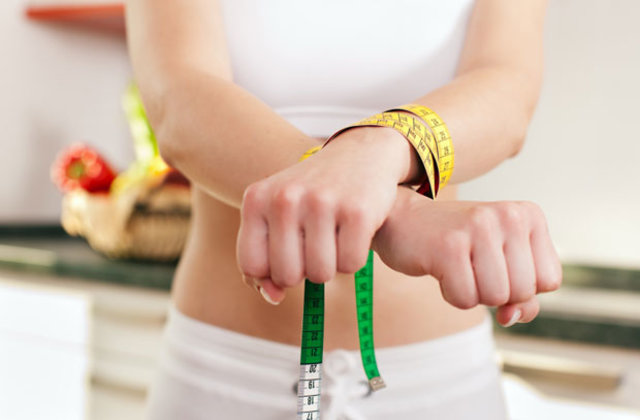
Causes leading to Pregorexia
With more and more women becoming conscious of their physical essence, there has been a rise in pregorexia. A number of factors can lead to the development of pregorexia, many of which are the same as those that underlie the development of an eating disorder during another time of life. These include:
- A history of trauma and neglect
- Excessive dieting, and poor coping skills.
- Genetics also play a factor, as does individual temperament, which includes traits such as perfectionism and anxiety.
- A woman with a history of an ED is more vulnerable to pregorexia
- Ambivalence toward being a new mom and its lifelong responsibilities
- Relationship difficulties with a partner due to pending parenthood
- Societal pressure to be thin, even during pregnancy
The Warning Signs
Women with pregorexia may show some of the following warning signs:
- Preoccupation with the number on the scale and weight gain
- Exercising excessively
- Highly critical of her body
- Minimal weight gain
- Smaller than average “baby bump”
- Dieting
- Showing signs of depression
Tips to prevent Pregorexia.
- Do not over exercise during pregnancy. Over exercising causes more harm than good to the body, especially during pregnancy. You can cause bodily injury or worse, oxygen deprivation can lead to possible brain damage of your fetus. Talk to your doctor before engaging in any exercise program during pregnancy.
- Stop limiting your daily food intake. Your baby needs the vitamins in your daily diet to continue to grow and develop. If your baby does not get the proper nutrition needed, he/she may be prone to a low birth weight, brain underdevelopment, and other health issues.
- Weight gain is perfectly normal and is expected during pregnancy, except this. It is very normal for a woman to gain 30 Lb’ s give or take per child. Gaining less than the 30 Lb’ s can lead to many complications such as low birth weight as we discussed above. Low birth weight can lead to your infant struggling with delayed development and many other physical and psychological developments.
- If you were/are actively struggling with an eating disorder such as anorexia or bulimia before you became pregnant, please seek immediate help from your doctor and psychotherapist. You could harm your unborn baby in many ways by these active eating disorders. If needed, recruit a team of specialists to work with you during pregnancy, including an obstetrician, therapist, nutritionist, and psychiatrist, as needed, all of whom are experienced in treating eating disorder.

Please remember, being pregnant is one of the most beautiful parts of life in that you are creating life no matter what weight you are at. Enjoy every minute of being pregnant!
Disclaimer
The Content is not intended to be a substitute for professional medical advice, diagnosis, or treatment. Always seek the advice of your physician or other qualified health provider with any questions you may have regarding a medical condition.