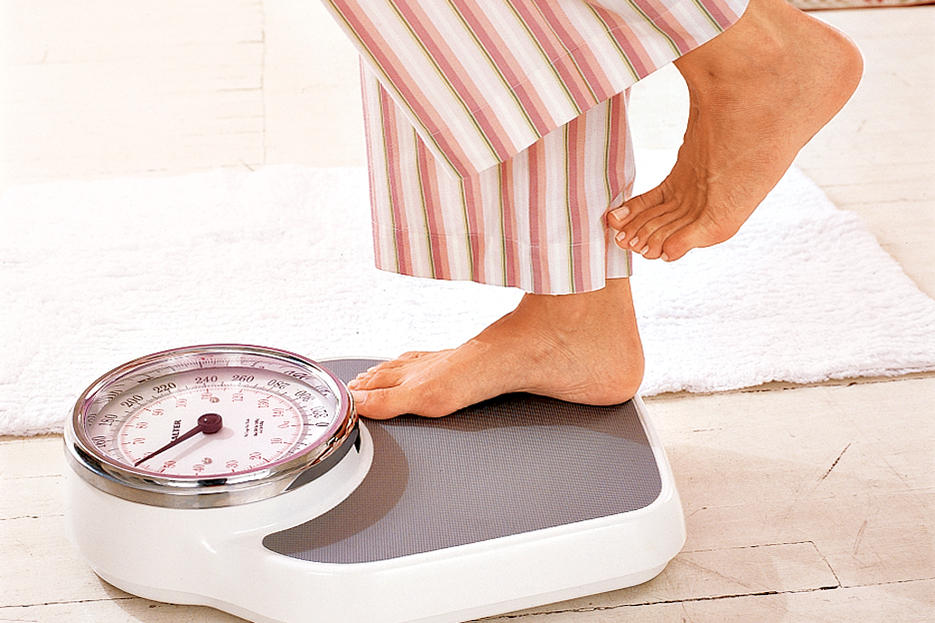
To help people contend with this environment, AICR has issued a new brochure entitled, Don’t Let It Happen. The brochure advises slender people to set a limit on weight gain by mentally adding 11 lbs. (5 Kg.) to their current weight. They should commit themselves to stay within that limit.
When people see their weight moving toward the limit they have set, the brochure (issued by AICR) advises, it is time to make changes in their daily routine that will keep them well within their healthy weight range. Three steps have been suggested:
1. Move Toward a Plant-based diet. By eating a greater proportion of vegetables and fruits, whole grains and beans, people can reduce the number of calories they consume and still feel full.
2. Keep Physically Active. Weight gain is usually preceded by an often unnoticed decrease in physical activity. Getting active again will help to prevent further the damage
3. Watch Your Portion Sizes. During the past two decades, portion sizes in restaurants and homes have escalated. If eating more vegetables and fruits and increasing physical activity do not bring weight under control, then maintaining the proportion of plant foods on the plate, but reducing portion sizes all around should do so. In a nut shell, people are advised to serve themselves a little less than they are used to and stop eating when they are satisfied, not when the plate or package is empty.
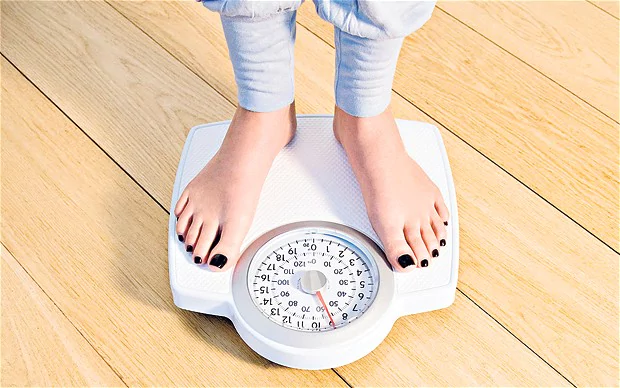
Remember, taking off 20 or 30 lbs. is challenging; shedding 3 or 4 lbs. before things get out of hand is relatively easy. When the bathroom scale or the pinch of your belt says you are moving toward the limit you have set yourself, take action right away.
Limiting Weight during Adulthood
There are certain periods when one is prone to gain weight, these are the times which require more rigorous changes in the daily routine. Women may be more prone to weight gain during three key periods connected to hormonal and lifestyle changes:
- After the onset of menstruation – In general, girls begin to see more curves in their figure, as they gain weight in areas such as their hips with the onset of puberty. This weight gain is normal and should not be a sign to diet. The extra weight is an important part of becoming a woman.

- After pregnancy – You should ideally gain, usually about 20 to 35 pounds during pregnancy. If you are overweight, you should still gain 15 to 25 pounds during pregnancy. Overweight mothers may have larger babies and may be at higher risk for diabetes during pregnancy. Gaining too much weight, may cause trouble losing the extra pounds after the baby is born.
- After menopause- Menopause is a medical term used to describe the time one year AFTER you stop having periods, which occurs around age 51. But the ten or more years before your ovaries go “two claws up” can put you on a hormonal roller-coaster ride every month. During 35-55 women experience either weight gain or find that maintaining weight becomes more difficult with progression in age. You also discover that the weight you gain tends to accumulate around your stomach, rather than your hips and thighs. On average, women may experience a gain of approximately 10-15 pounds in the years surrounding menopause.
When you face these critical stages, remember that you have made a commitment to stay within the 11 pound weight limit you set for yourself. Renewing your zeal for a mostly plant-based diet, increasing physical activity and reducing portion sizes can compensate for situational changes.
Disclaimer
The Content is not intended to be a substitute for professional medical advice, diagnosis, or treatment. Always seek the advice of your physician or other qualified health provider with any questions you may have regarding a medical condition.