Having established that your body needs a well balanced diet, with a good supply of carbohydrates, especially high – fiber foods, water vitamins and minerals, and a certain amount of protein, fat and bacteria, you need to know how to put it into practice.
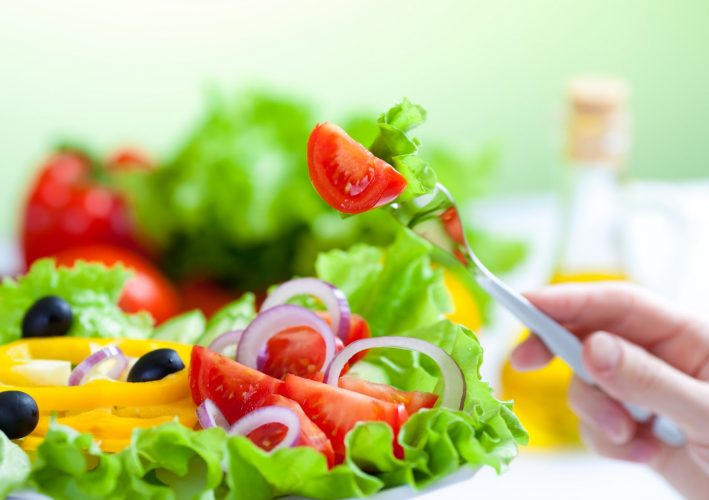
Much media attention is focused on foods that one should not have, yet there has been very little to tell women how they can use food to enhance their life rather than make it more difficult. Forget the labels; every figure is relative and food manufacturers are frequently very selective about what they tell you, making your task of deciding what is right for you an impossible one. Instead build your choices on the following guidelines.
RESPECT YOUR MOUTH AND BODY:
GET INTO THE HABIT OF ONLY EATING THINGS YOU LIKE AND NEED
Before you put anything in your mouth, ask yourself three questions: Do I want it/ Do I like it/ Do I need it?
If you want it and like it then go ahead and enjoy it, if you don’t why bother wasting the eating experience? Throw all the boring, unnecessary eating out of your life.
The worst thing you can do with food is to feel guilty about eating it. If you have eaten something that you know is not the healthier but you really fancied it or were in a situation where you didn’t have any choice, enjoy it an forget about it. Don’t beat yourself up with guilt. Guilt is a negative emotion, which is likely to lead you to bingeing on comfort foods. This can then get you into a negative sugar or salt cycle in which you eat more of these foods, which in turn makes you feel even more guilty. You might then decide it’s not worth continuing with you healthy eating lifestyle. It is always worth persevering. Remember that life is for living and food is there to help us, not hinder us.
AIM TO EAT FIVE PORTIONS OF FRESH FRUITS AND VEGETABLES EVERY DAY
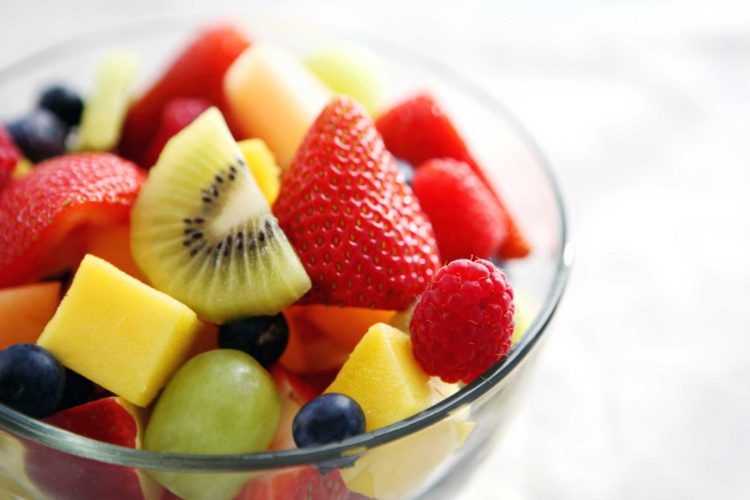
This provides your body with a good source of vitamins, minerals and fiber, to maintain your body in peak condition to fight diseases. Fiber helps your food to move effectively through the body, keeps you feeling pleasantly full and satisfied and in control of your eating habits, and your energy levels steady.
EAT THREE MEALS A DAY
This is usually made up of one main meal, a smaller snack or lunch-type meal and breakfast. You may, however, feel that you need two smaller snacks, such as a piece of fruit, a small sandwich or a piece of cake, in between two smaller meals. It all depends on your body rhythms. Meals should be based on carbohydrates, such as pasta, whole-meal bread, wholegrain cereals, rice or potatoes, along with fruits and/or vegetables. The main meal should include a source of lean protein, along with carbohydrate and plenty of vegetables and fruits.
CHOOSE LEAN SOURCES OF PROTEIN
Fish, shellfish, lean red meat, game, poultry, eggs or pulses meet your body’s protein requirements without overloading on fats.
TRY TO GET INTO THE HABIT OF USING JUST A SMALL AMOUNT OF FAT
You can use butter, olive oil, sesame oil or walnut oil to enhance the flavor of your food or for cooking, but do try to keep the quantity low.
KEEP YOUR INTAKE OF REFINED SUGAR FOODS LOW
Too much sugar disrupts your natural energy balance, and can cause headaches; mood swings and – if eaten in large quantities – sugar sensitivity problems such as hypoglycemia and diabetes mellitus. It is much better to get into the habit of using the natural sugars in fruits to provide sweetness.
INCLUDE SOME DAIRY PRODUCTS OR ANOTHER SIGNIFICANT SOURCE OF CALCIUM IN YOUR DAILY DIET
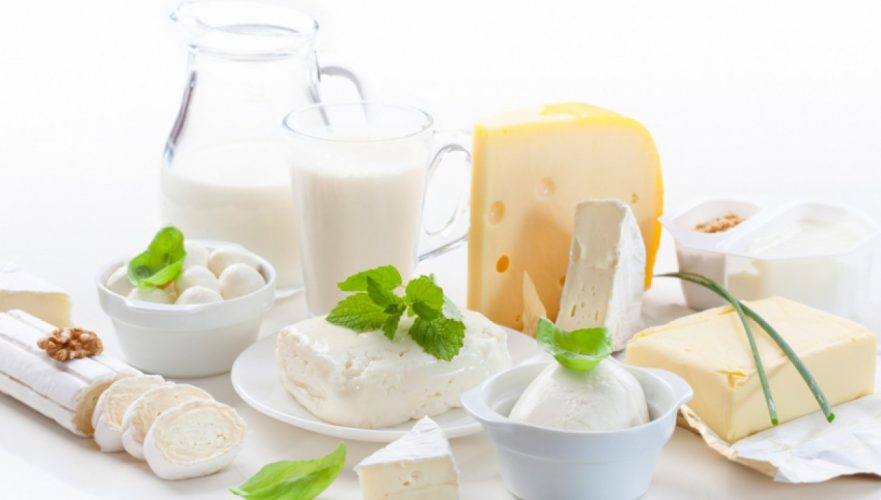
This has far reaching benefits for all women of all age group.
DRINK TWO THREE LITERS (FOUR TO FIVE PINTS) OF WATER EVERY DAY
Water helps the fiber in your food to swell and perform its duties. It also helps to metabolize other nutrients from your food, keep your skin and hair healthy and prevent your body from becoming dehydrated.
TRY NOT TO DRINK MORE THAN THREE CUPS OF COFFEE, TEA OR COLA.
All such drinks contain caffeine, which inhibit the absorption of vitamins and minerals from the gut, causes your body to excrete vital nutrients and interferes with the fluid and energy balance mechanisms in your body. Caffeine also causes your body to be stimulated in an artificial way, which in the long run has the opposite effect of supressing your performance and general feeling of well
INCLUDES SOME ‘GOOD’ BACTERIA IN YOUR DAILY DIET, IN THE FORM OF ‘LIVE’ YOGURT CONTAINING BIFIDUS AND ACIDOPHILUS
A small pot of ‘bio’ yogurt a day should help to keep a healthy balance of good and bad bacteria in your gut. If you don’t like or are unable to eat live yogurt, seek the advice of your dietician
TRY TO EAT REGULARLY AND IDEALLY NOT LEAVE YOUR STOMACH EMPTY FOR MORE THAN FOUR TO FIVE HOUR
This helps to keep your gut functioning effectively. Regular eating helps your gut maintain a steady supply of digestive enzymes, protects it from excess acid secretion and enables it to metabolize food in the most efficient way, to keep your energy level and moods on an even keel.
KEEP YOUR ALCOHOL INTAKE MODERATE
Some drinks, especially young red wines such as Beaujolais, contain anti-oxidant vitamins and minerals, which can help to reduce the risk of heart disease and some cancers. Beers and Champagnes can also provide beneficial nutrients. Drinking can be a very pleasurable part of a healthy lifestyle, but drinking to excess can cause liver damage, mood and energy-balance problems. Try not to drink on an empty stomach as this can cause your blood sugar levels to crash.
FOOD COMBINING/SEPARATING
The issue of whether you should eat proteins and carbohydrates at the same meal is one that regularly crops up in the media. Some diet consultants feel strongly that proteins and carbohydrates should be separated, and advocate that proteins should be eaten only with vegetables and fruit, not mixed with carbohydrates. Many people feel that their body functions better if they out this into practice; it is commonly known as food combining.
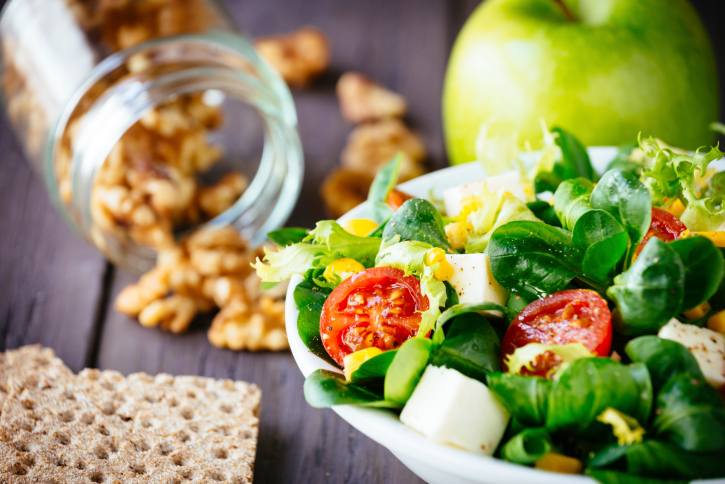
From the physiological and nutritional viewpoint, proteins (meat, chicken, fish, eggs, cheese, nuts, pulses) provide the body with amino acids, used as building blocks within muscles and other tissues. Carbohydrates provide energy and fiber. If you eat proteins on their own, without carbohydrate present, the protein can be broken down into energy, rather than used for building body tissue. Proteins also have other important functions to perform in maintaining body health and carbohydrates protect proteins, enabling them to fulfill these functions.
The choice is yours, but there is no physiological reasoning behind food combining. I believe that food is there to be enjoyed. Women should not have to agonize over whether they are ‘allowed’ to eat certain things at certain times.
Disclaimer
The Content is not intended to be a substitute for professional medical advice, diagnosis, or treatment. Always seek the advice of your physician or other qualified health provider with any questions you may have regarding a medical condition.