Irritable bowel syndrome (IBS) is a chronic, functional disorder of the gastrointestinal tract characterized by lower abdominal pain (often severe), gas, bloating, vomiting, diarrhea, constipation, or a combination of both, typically over months or years.
Treatments for IBS include changes to diet, anti-spasmodic medications, muscle relaxants, and stress reduction.
Hypnotherapy/ Self-Hypnosis

Hypnotherapy is considered a low cost, non-invasive, and comfortable method of treatment.
Gut Directed Hypnotherapy (GDH) was developed specifically for IBS patients and has been proven to reduce symptoms in 80% of cases. Patients with typical symptoms of IBS have realized the highest success rates for GDH. These symptoms are abdominal pain, bloating, diarrhea and/or constipation. Dr. P.J. Whorwell first introduced it in 1984 at the University Hospital of South Manchester. Dr. Whorwell studied thirty patients in two groups of 15. One group was given a sugar pill and psychotherapy. The other group was given GDH. The psychotherapy group had some small improvements. The hypnotherapy group had dramatic improvements that lasted past the completion of treatment.
The first session may be devoted to taking a history of the patient’s IBS symptoms. Thereafter, each session is tape-recorded, and the patient is instructed to listen to the tape once each day until the next appointment. There may be other tasks assigned to the patient that should be undertaken between sessions. The success of hypnotherapy can be directly related to the commitment of the patient. Attending all the sessions and completing all extra assignments outside of sessions is absolutely necessary. GDH is not intended as a cure for IBS, but it can help provide a structure in which the patient can assert some measure of control over IBS symptoms.
Colon Hydrotherapy (Colonics)
Colon therapy promotes healthy colon function and can ease a range of problems from headache and backache to arthritis andhypertension. Colon hydrotherapy sessions are used to cleanse the colon for medical procedures such as colonoscopy, sigmoidoscopy, surgery, and barium enemas.
The colon, along with the skin, kidneys, and lungs, is a major organ for eliminating bodily waste. If bowel movements are not consistent, waste products and toxins are not eliminated in a regular manner, and health can be compromised. Colon hydrotherapy is a gentle purified water washing of the large intestine to clean, detoxify and aid in the reconstitution of intestinal flora. The client lies on a massage table and with a colon hydrotherapy machine, water is run very slowly into the colon. When slight pressure builds up in the colon, the water is released. As the water is flowing out through an illuminated glass viewing tube, the abdominal area is thoroughly massaged. To insure maximum sanitation, a disposable water and waste line and applicator are used. With colonic therapy, the condition of the blood is improved as well. The toxic load in the blood stream seems to be reduced whenever the colon and abdominal lymphatics are cleared.
Benefits of colonic therapy.
- The water removes the material that may be lodged in the colon.
- Some of the water is absorbed into the colon wall, and this promotes a cleansing of the colon itself, leading to greater organ strength and health.
- Some of this clean water is absorbed through the colon into the lymphatic system, where it can begin to dissolve the thick or crystallized accumulations of waste that Cayce called “drosses.”
If the therapist is trained in the technique, they may also be able to manipulate water pressure and temperature to exercise the colon, and thereby stimulate in a weak, inactive colon an ability for stronger bowel movements.
Alosetron hydrochloride (Lotronex)

Medications are an important part of relieving IBS symptoms. Lotronex has been re-approved by the U.S. Food and Drug Administration (FDA) for women with severe Irritable Bowel Syndrome who have not responded to conventional therapy and whose primary symptom is diarrhea. However, even in these patients, it should be used with caution because it can have serious side effects, such as severe constipation or decreased blood flow to the colon.
You MUST do 3 things if you are going to take Lotronex:
- Understand that Lotronex has serious risks.
- Sign a Patient-Physician Agreement with your doctor.
- Follow the directions in this Medication Guide.
Click here, to learn more about Lotronex.
Imodium (Loperamide)
Antidiarrheals such as loperamide (Immodium) are quite effective for diarrhea, and may be prescribed to help with loose, frequent stools. If you use an over-the-counter medication, follow the package directions. If you find yourself using an over-the-counter antidiarrheal medication more than twice a month, talk with your physician. Side effects are infrequent and usually minor, but may include abdominal discomfort, constipation, dry mouth, nausea, fatigue, drowsiness, and allergic reactions.
Zelnorm (Tegaserod)
Tegaserod maleate (Zelnorm) has been approved by the FDA for the short-term treatment (usually 4 weeks) of women with Irritable Bowel Syndrome whose primary symptom is constipation. It is the first agent in a new class of drugs called serotonin-4 receptor agonist (5HT4 agonist) developed to target the GI tract.
This prescriptive medication should only be given to adults who are over the age of 18. It should be taken before meals in a dose of 6 mg twice daily for 4-6 weeks. If the patient responds to this drug therapy, a physician may consider an additional 4- to 6-week course of drug therapy. Contraindications to the use of tegaserod maleate include severe liver impairment, severe kidney impairment, history of bowel obstruction, symptomatic gallbladder disease, suspected sphincter of Oddi dysfunction, and abdominal adhesions. Tegaserod maleate should not be initiated in patients who are currently experiencing or frequently experiencing diarrhea. Common adverse reactions include abdominal pain, diarrhea, nausea, flatulence, and headache and back pain (PDR 2002). (Note: Tegaserod meleate will be under close observation by the FDA because medications that affect the serotonin system have historically been associated with side effects.)
Diet
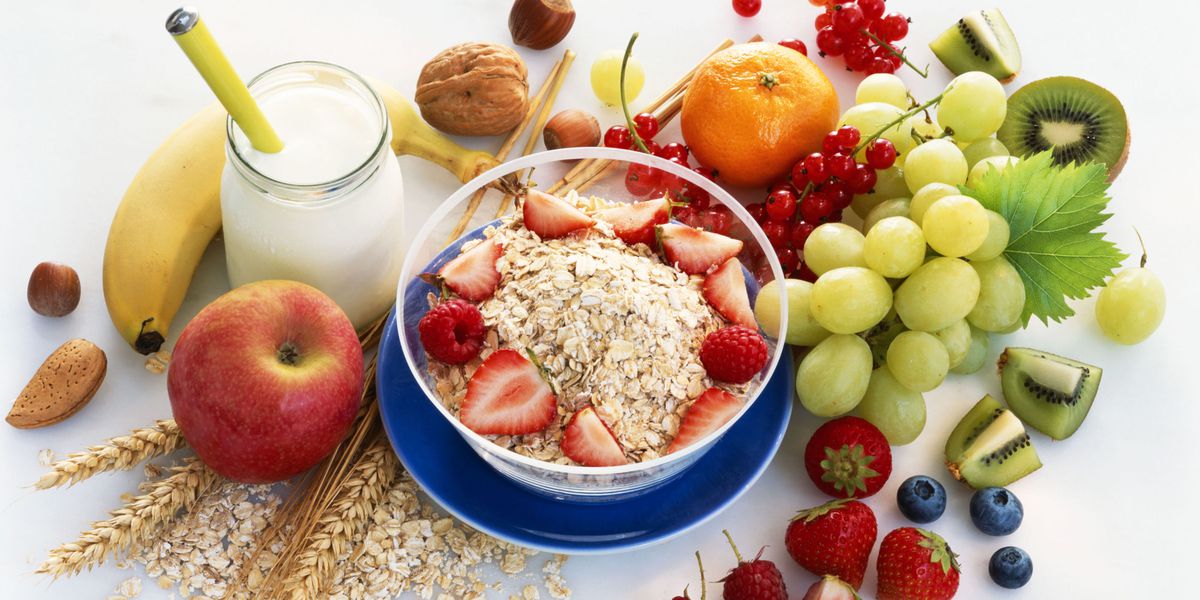
Certain foods may trigger an attack. To identify foods that trigger your symptoms, maintain your usual diet and note what you were eating when your symptoms developed. Look for patterns. Often, symptoms don’t relate to specific foods, rather large amounts of food at one time. You may want to include a dietitian in your treatment plan. He or she may be able to help you assess how your body reacts to certain foods — sometimes a food sensitivity (lactose intolerance is common) may be involved.
Triggers can include caffeine, milk, chocolate, nicotine, alcohol and large, high-fat meals. Traditional therapies have included dietary fiber, especially for treatment of symptoms of constipation. Fiber decreases the transit time through the colon and decreases the pressure in the colon. Increasing your consumption of fresh fruits and vegetables, whole grains and bran may help.
Increased fiber can make symptoms worse for some IBS patients. This is because bacteria in the colon can break down fiber, producing gas, which can make bloating worse.. Discuss this with your health care professional — it may be to your benefit to avoid certain forms of fiber — particularly gas-forming foods such as cabbage, broccoli, cauliflower, and beans. But there’s no conclusive proof that eliminating certain foods will eliminate your symptoms.
Aloe Vera (Aloe barbadensis)
Taken internally, aloe vera juice (processed directly from the gel) appears to ease the discomfort of irritable bowel syndrome (IBS) in many users, and this has been the main reason for aloe vera’s recent surge in popularity. A scourge of modern living, IBS is caused by abnormal spasms of the gut which are made worse by stressful living and poor diets. The unpleasant symptoms include diarrhoea and constipation, gut pain, bloating and wind.
The dosage of aloe vera used by most IBS sufferers is two teaspoons twice a day, or half this amount diluted with water if using a double strength juice. Flavoured juices – e.g. red grape or tropical fruit – are also available, or for times when using the liquid may be inconvenient, it is also possible to get concentrated aloe vera tablets (but these aren’t thought to be as beneficial over the longer term). Some people claim to notice an immediate effect of aloe vera in IBS, whilst others indicate a more progressive benefit over a few months.
Bentyl etc. (Dicyclomine)
Bentyl (dicyclomine) is an anticholinergic. It prevents spasms in the muscles of the gut and bladder by relaxing them, and reduces the amount of stomach acid produced. It comes in the forms of capsule, tablet, and oral liquid. It is usually taken four times per day. For best results, Bentyl should be taken 30 minutes to 1 hour before eating a meal. Bentyl should not be taken at the same time as an antacid. Antacids can reduce the effectiveness of bentyl.
Serious side effects of bentyl include mental changes such as confusion, short-term memory loss, hallucinations or agitation. In most cases, these side effects are gone in the 12 to 24 hours after the patient stops taking bentyl. Other side effects can include drowsiness, dizziness, and a decreased ability to perspire (which can contribute to heat stroke).
Laxatives

Metamucil etc. (Fiber/Bulk-forming)- If you are constipated, your doctor may suggest Bulk-forming laxatives containing psyllium(Metamucil).
There are two types of laxatives, osmotic and stimulant. Osmotic laxatives are not absorbed and most require a prescription. They soften the stool and have an onset of action of one to three days. One type of osmotic laxative is polyethylene glycol, or PEG (a brand name is Miralax). Another is unabsorbed carbohydrate (lactulose and sorbitol). Glycerine suppositories are available without prescription.
Stimulant laxatives interfere with absorption and motility and are available without prescription. They have an onset of action of six to twelve hours and produce a soft to semi-fluid stool. They include saline laxatives (brand names Milk of Magnesia and Citrate of Magnesia); diphenylmethane derivatives (brand name Dulcolax); and anthraquinone derivatives (senna, cascara sagrada and aloin).
Levsin etc. (Hyoscyamine)
This is helpful in controlling conditions such as colitis, spastic bladder, diverticulitis, infant colic, renal and biliary colic, peptic ulcer, irritable bowel syndrome, splenic flexure syndrome, and pancreatitis. L-hyoscyamine produces many effects in the body, including relief from spasms of the gastrointestinal tract (stomach and intestines), the bladder, and the biliary tract.
There is no cure for IBS, but with a proper diet and some help from your doctor, symptoms can be made more manageable.
Disclaimer
The Content is not intended to be a substitute for professional medical advice, diagnosis, or treatment. Always seek the advice of your physician or other qualified health provider with any questions you may have regarding a medical condition.