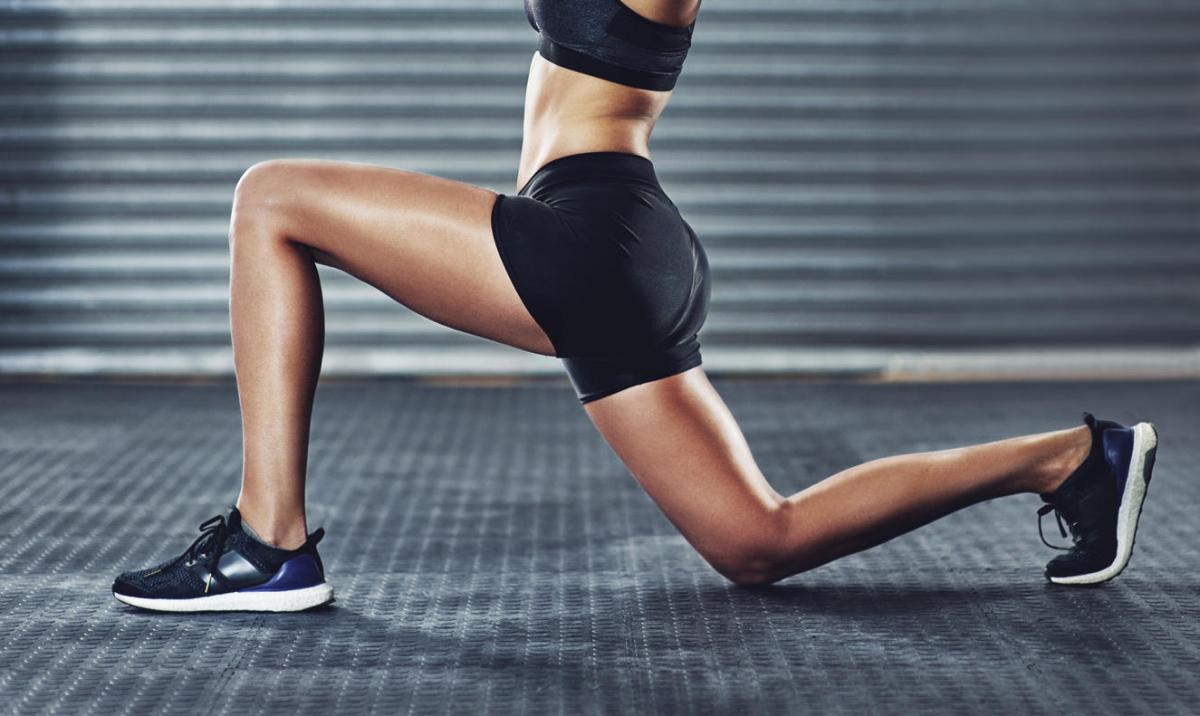
Calve Muscle Anatomy
There are two primary muscle groups on the back of the lower legs – the gastrocnemius and the soleus muscles. The soleus is a wide, flat muscle that lies beneath the heart shaped gastrocnemius. Both muscles contract to extend the feet and toes, but the soleus can only fully contract when your leg is bent to at least a 30-degree angle.
There are several other smaller muscles in your lower legs, all of which will be developed by focusing on working the calves. The only exception is the tibialis anterior muscle, which runs up the front of your shin and contracts to pull your foot and toes upward.
The calf muscle is often neglected at the gym. Very rarely you’ll see people training their calves. When fully developed, the calves are eye-catching and you can actually see the separation between the outer and inner muscles.
Calve Exercises
It is essential that when you do any exercise that you perform the movements correctly, if you don’t you will receive less then optimum benefit from the exercise. It is very difficult to unlearn bad exercise habits, so it is best to learn the right exercise technique from the very start.
For each calve workout do 4 sets for each exercise listed below. One workout do high reps (i.e. 15+ per set) the next workout do low reps (i.e. 5-10 per set). This is one of the best ways to get stubborn calve muscles to grow.
Standing Calf Raise
The standing calf raise is a great tool for building quality calves. By using a pair of dumbbells to hold at your sides, you can create beautifully sculpted calves in the privacy of your home. Of course, you’ll want to get yourself a pair of dumbbells that you can add extra weight to. I would recommend a pair of dumbbells which are made to hold heavier weights.
There are two ways to perform this exercise: One leg at a time or both legs at the same time.
Note: Please make sure not to attempt to use very heavy weights if you decide to try the one-legged version of the exercise.
PROPER ALIGNMENT
For the machine:
- Set the weight to a resistance you can handle while practicing perfect form.
- Step on the platform and take hold of the grip bars on the slides of the shoulder harness.
- With your feet pointing straight ahead, place your toes and the balls of your feet on the platform.
- Set the shoulder pads so they will be slightly lower than your shoulders while you are in this position.
- Bend at the knees and position your shoulders underneath the shoulder pads comfortably.
- Stand up straight so that your shoulders lift the shoulder pads, which will lift the weight plates up.
- Keep your knees pointing straight ahead and keep bent very slightly during the exercise. The bent-knee position can help stretch the calves in the lower position and will save your lower back in the upper position.
- Make sure to keep your body straight during the exercise. Be careful not to bend at the waist during any portion of the movement or hyperextend your back at the top of the movement. Doing either of these can injure your back.
- Stick your chest out and keep your shoulders squared at all times during the exercise.
- Keep your head straight and level and look straight ahead at all times.
For dumbbells:
- First, pick up the dumbbells and stand in front of a platform, which should be about 1 inch high.
- Step onto the platform and position your feet a couple of inches apart.
- Bring the dumbbells to the sides of your body, with your palms facing each other.
- Place your toes and the balls of your feet on the platform.
- Keep your knees pointing straight ahead and keep them bent very slightly during the exercise as the bent knee position can help stretch the calves in the lower position and will save your lower back in the upper position.
- You must make sure to keep your body straight during the exercise. Be careful not to bend at the waist during any portion of the movement or hyperextend your back at the top of the movement. Doing either of these can injure your back.
- Stick your chest out and keep your shoulders squared at all times during the exercise.
- Keep your head straight and level and look straight ahead at all times.
TECHNIQUE AND FORM
The technique and form will be the same for both the standing machine and the standing dumbbell raise.
- Keeping your body as straight as possible, lower your heels toward the floor and slowly bring the calves to a full stretch.
- Hold this position for a count of 1 second.
- From this position, without momentum, push off the balls of your feet and come up on to your tiptoes, pushing as high off the toes as possible. Contract the calves as hard as you possibly can and concentrate all of your efforts on doing so. Hold this position for a 1 second count.
- Slowly begin lowering your body to the stretch position, making sure you make the calf muscles endure the negative portion of the resistance.
- As you reach the bottom position, with the heels pointing to the floor, make sure you do not allow your heels to drop too fast. Go slow and focus on the stretching of the calf muscles.
Seated Machine Calf Raise
This exercise primarily targets the muscle located underneath the gastrocnemius. This movement is an excellent tool for shaping the calves. But, although you might think that this exercise alone will develop the calves, it won’t. You must train the calves over different angles to truly their calves will make them look masculine. Don’t worry, it won’t! Your calves will always look feminine, but they will now have a sexy and muscular tone to their appearance.
PROPER ALIGNMENT:
- Choose a weight with which you can practice perfect form. The objects is to use good form rather than just trying to lift a gargantuan amount of weight.
- Sit down and position your feet on the platform.
- With your feet pointing straight ahead, place your toes and the balls of your feet on the platform.
- Place the padded support on top of your thighs. Make sure that the pad fits snug against the thigh close to the knee rather than high on top of the thigh.
- Position your hands on the sides of the thigh pad.
- Keep your torso straight and do not lean forward or backward during the exercise.
- Keep your head straight and level and look straight ahead at all times.
TECHNIQUE AND FORM
- Once you are in position and ready to begin the exercise, lower your heels toward the floor and slowly bring the calves to a full stretch.
- Hold this position for a count of 1-2 seconds.
- From this position, without momentum, push off the balls of your feet and come up on to your tiptoes, pushing as high off the toes as possible. Contract the calves as hard as you possibly can and concentrate all of your efforts on doing so. Hold this position for a 1-2 second count.
- Slowly begin lowering your body back once again to the stretch position, making sure you make the calf muscles endure the negative portion of the resistance.
- As you reach the bottom position, with the heels pointing to the floor, make sure you do not allow your heels to drop too fast. Go slow and focus on the stretching of the calf muscles.
Donkey Calf Raise
This is a great exercise for the calves because it helps to develop the entire calf musculature. You have the option of performing this exercise in a few different ways. One way is with the use of a specially designed machine called the donkey calf press. Another way, is to use the assistance of another person. The form and technique are virtually identical except that your assistant actually sits on you!
PROPER ALIGNMENT
- Take a firm grip on a bar or the rail of a staircase.
- Bend over at the hips, so that your torso is parallel to the floor.
- Place a 4-5 inch platform or piece of wood beneath your feet.
- Have your assistant sit upon the lumbar region of your lower back, making sure that he or she is secure. Your assistant must be sure not to move around or one of you could be seriously injured.
TECHNIQUE AND FORM
- Make sure that you are secure and in stable alignment.
- Begin by pressing up onto the tips of your toes, focusing on the entire calf area.
- Press up as high as you can and briefly hold the contraction.
- Slowly lower yourself, bringing the heels down towards the ground for a deep stretch. Do not go too deep.
Calf Press
This particular exercise zones in on the gastrocnemius muscles of the calves. It is performed on the same machine where you do your leg press. This is an excellent alternative to standing calf raises and for people that have lower back injuries.
At the top of the movement, make sure to really squeeze. The next time you’re in the gym, look at how extremely shallow the calve muscles are. This might be because of using too much weight or simply not getting a full range of motion. If you do use a full range of motion, you can do less work and still see much better results than someone doing much more work with a limited range of motion.
PROPER ALIGNMENT
- Step on to the platform of the machine and place your feet about 3-5 inches apart.
- Load the machine with the desired resistance.
- Position your feet on the platform so only the upper edge of your foot rests on the platform. The other half will hang off the platform.
- Take hold of the handles, usually located to the slides of the machine.
- Try to keep the legs straight during the exercise with your knees slightly bent.
TECHNIQUE AND FORM
- Maintaining your form, raise up onto the tips of your toes as high as you can and hold.
- Focus on contracting the calf muscles at this point. It is one thing to just do the movement, it is another to intensely participate in it!
- Slowly lower yourself, bringing the heels towards you for a deep stretch. Do not go too deep.
Please note: If you do have an injury that prevents you from using a full range of motion, please go according to what works better for you.
It takes a lot of enthusiasm to stick with useful exercises for your calf muscles and you have to have the desire to do it. You have to go beyond the point where others stop. Every day you have to find a way to stick with the exercises for your calf muscles.
Disclaimer
The Content is not intended to be a substitute for professional medical advice, diagnosis, or treatment. Always seek the advice of your physician or other qualified health provider with any questions you may have regarding a medical condition.
