A spice as ancient as the Pharaohs and the Ayurveda is muscling its way into modern medicine. Find out why…

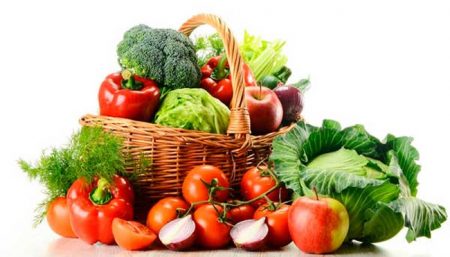
Mustard is member of the brassica cruciferae family, which includes broccoli, brussels sprouts, turnips, cabbage and watercress. Used as a vegetable, condiment, spice and, at one time, medicine (dried-mustard plaster mixtures were used to alleviate chest congestion). Mustard seeds can be traced to different areas of Europe and Asia with the white variety originating in the eastern Mediterranean regions, the brown from the foothills of the Himalayan Mountains, and the black from the Middle East.
Bronchitis, asthma and pneumonia are treated by applying a black mustard flour poultice on the chest area. It is maintained as long as the burning sensation is not strong, it is then removed and the area is to be covered with a warm material. |
Counting Health Benefits:
The unique healing properties of mustard seeds can partly be attributed to their home among the Brassica foods.
- Like other Brassicas, mustard seeds contain plentiful amounts ofphytonutrients called glucosinolates. The myrosinase enzymes present in the seeds (which gives mustard its heat, spicy aromatic taste, and fragrance) can break apart the glucosinolates into other phytonutrients called isothiocyanates. The isothiocyanates in mustard seed (and other Brassicas like broccoli, cauliflower) have been repeatedly studies for their anti-cancer effects. In animal studies – and particularly in studies involving the gastrointestinal tract and colorectal cancer – intake of isothiocyanates has been shown to inhibit growth of existing cancer cells and to be protective against the formation of such cells.
- Mustard seeds are an excellent source of selenium, a nutrient which has been shown to help reduce the severity of asthma, decrease some of the symptoms of rheumatoid arthritis, and help prevent cancer.
- Mustard is known to be very helpful for digestion, and can help to speed up your metabolism. Stimulates digestion, by increasing saliva as much as eight times more than normal.
- The seeds also qualify as a very good source of magnesium. Like selenium, magnesium has been shown to help reduce the severity of asthma, to lower high blood pressure, to restore normal sleep pattern. In women having difficulty with the symptoms of menopause, to reduce the frequency of migraine attacks, and to prevent heart attack in patients suffering from atherosclerosis or diabetic heart disease.
- Asian varieties have the strength to clear the sinuses.
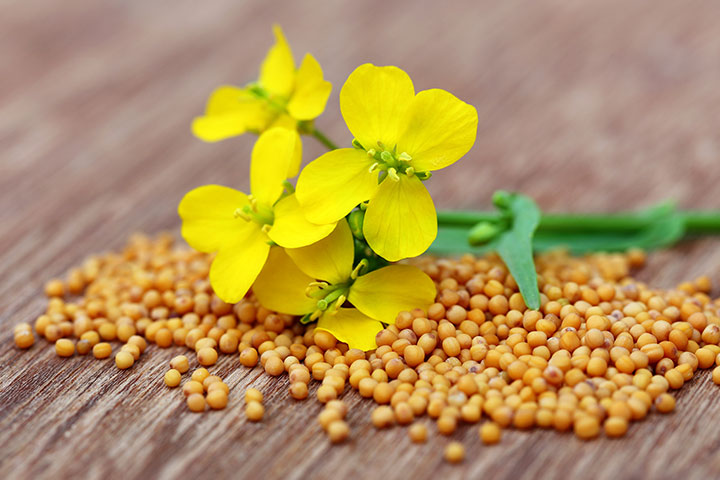
- Mustard is also rich in heart healthy monounsaturated fats, and is a good source of essential minerals like iron, calcium, phosphorous, zinc, and manganese.
- Mustard flour sprinkled in your socks is said to save your toes from frostbite, a claim which is also made about cayenne pepper and other spices containing volatile oils.
- The lack of food appetite can be alleviated through consuming black mustard seeds dissolved into a glass of milk, administered 15 minutes before a meal.
Alternative medicine practitioners believe that
- Sleeping on mustard seeds is beneficial, that they offer a bioenergetics. healing massage.
- Mustard seeds can relieve backache, joint pain, muscle ache, rheumatism.
- Mustard has therapeutic uses in treating for anxiety, depression, insomnia, impotence.
Mustard seeds contains goitrogens, naturally-occurring substances in certain foods that can interfere with the functioning of the thyroid gland. Individuals with already existing and untreated thyroid problems may want to avoid mustard seeds for this reason. Cooking may help to inactivate the goitrogenic compounds found in mustard seeds. |
How to enjoy
- Mustard seeds or mustard powder can be used as a condiment in a variety of dishes. The seeds can be used as is or can be roasted in a skillet.
- While dried mustard powder does not have a very strong quality, mixing it with water initiates as enzymatic process that enhance its fragrance, pungency and heat. To moderate its sharp flavour, you can either add some very hot water or an acidic substance such as vinegar, either of which will stop the enzymatic process.
- Mustard has the ability to bring oil and water together in hollandaise, mayonnaise and vinaigrette.
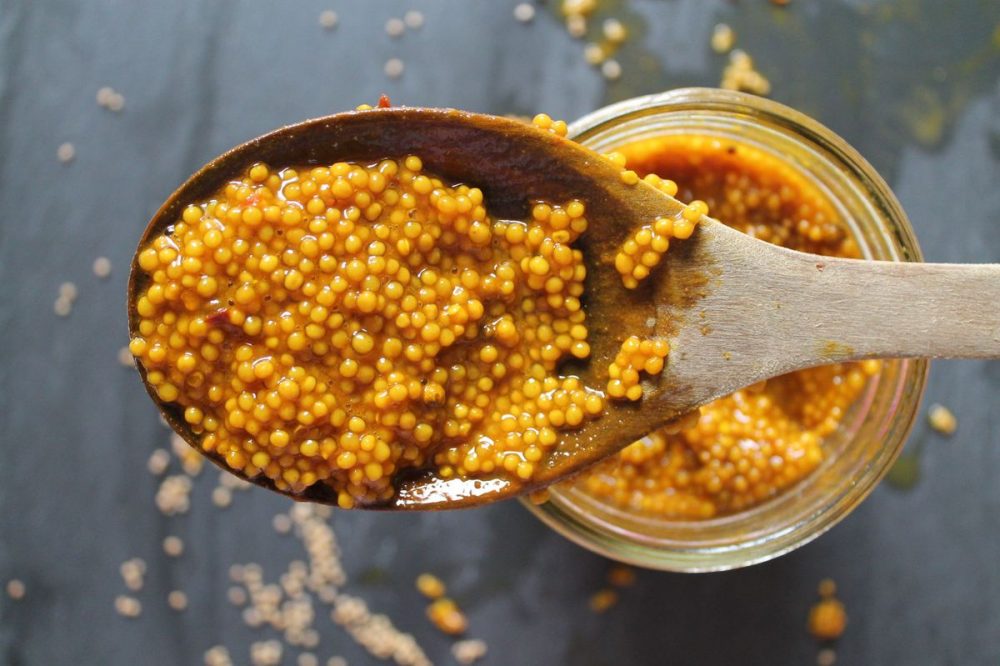
- You can easily make your own mustard condiment by first macerating the seeds in wine, vinegar or water. Grind them into a smooth paste, addingherbs and spices such as tarragon , turmeric , garlic , pepper , paprika or any others that you prefer to give your homemade mustard its own unique flavour and taste.
Culinary Tips
- Dredge chicken breast in prepared mustard and whole mustard seeds and bake.
- Add some Dijon mustard to your favorite vinaigrette dressing.
- Make a delicious cold millet salad by combining the cooked and cooled grain with chopped scallions, baked tofu cubes, garden peas and mustard seeds. Dress with lemon juice and olive oil.
- Marinate fish fillets in a combination of Dijon mustard and white wine.
- Combine prepared mustard with honey and the seasonings of your choice to make a pungently sweet dipping sauce.
- Add a collage of taste and colour to rice by sprinkling some sputtered brown, black and white mustard seeds on top.
Nutritive Information2 tsp (10 gms) of Mustard seeds provides:Calories 325.04 KcalSelenium 9.96 mcgMagnesium 22.28 mgDietary Fibre 1.08 gOmega 3 fatty acids 0.20 gVitamin B3 (niacin) 0.60 mgCalcium 38.92 mgProtein 1.88 gZinc 0.44 mg |
Disclaimer
The Content is not intended to be a substitute for professional medical advice, diagnosis, or treatment. Always seek the advice of your physician or other qualified health provider with any questions you may have regarding a medical condition.