A bloated stomach is often caused by a sudden increase in fiber from vegetables, fruits and beans. If this is the cause of your bloating, you might ease up on these foods and reintroduce them more gradually into your diet. Alternatively, persevere and the bloated feeling should pass within a matter of days.
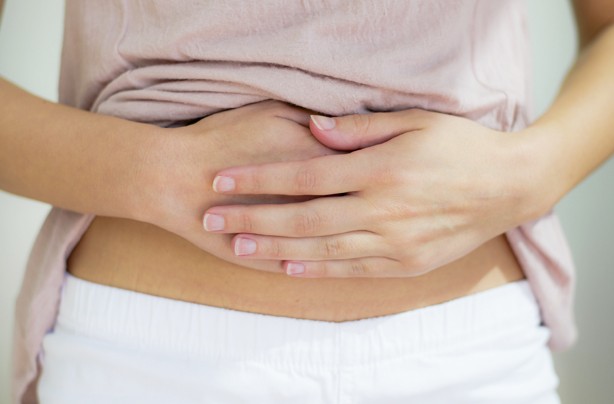
Possible causes of bloating include:
The most common causes of chronic stomach bloating are irregular digestive processes which produce gases at a much higher rate than normal.
- Pre-menstrual Tension (PMT) – The symptoms tend to disappear or greatly improve once the bleeding actually starts.
- Contraceptive pill
- Too much alcohol
- Salt, or processed foods in your diet – even a small amount of excess sodium causes bloating.
- Too little protein in diet.
- Doctors believe that bloating is usually the result of an intestinal disorder, such as irritable bowel syndrome (IBS). The cause of IBS is unknown, but may involve abnormal movements and contractions of intestinal muscles and increased pain sensitivity in the intestine. These disorders may give a sensation of bloating because of increased sensitivity to gas.
- Carbonated Drinks- Fizzy drinks, including soda pop and spritzers, increase bloating because the carbon dioxide trapped in the bubbles creates gas, which slows down stomach emptying.
 Water intake: Many women believe that drinking too much water will give them puffy abs, but just the opposite is true. Even though we associate water with being bloated, drinking more water can help to flush sodium out of the body, and that reduces the bloat.
- Lactose Intolerance- sometimes your stomach is unable to digest the lactose–or milk sugar–in dairy foods leading to bloating.
- Food allergies can cause your stomach to puff out, too. But this is a reaction of the immune system involving the whole body, and usually hives and runny nose are the more prominent symptoms.
- Any disease that causes intestinal inflammation or obstruction, such as Crohn’s disease or colon cancer, may also cause abdominal bloating. In addition, people who have had many operations, adhesions (scar tissue), or internal hernias may experience bloating or pain.
- Finally, eating a lot of fatty food can delay stomach emptying and cause bloating and discomfort.
How Stomach Bloating Happens:
Digestion is a series of chemical reactions that break down food into components from which we derive energy and nutrients. The remaining material is waste and is delivered further down the intestinal tract for elimination.
Some of those waste products are odourless gases and under normal circumstances the amounts are managed easily by the elasticity of the intestinal canal. That is, the small volumes of methane, oxygen and nitrogen do not overly stretch the gut wall and pass along painlessly. Known as flatulence, we all experience this as a normal part of digestion.
But when different gases are produced – as with food intolerance – often at higher temperatures and pressures the result can be extremely painful, smelly and debilitating.
Foods that may cause gas include:
- Beans
- Vegetables, such as broccoli, cabbage, brussels sprouts, onions, artichokes, and asparagus
- Fruits, such as pears, apples, and peaches
- Whole grains, such as whole wheat and bran
- Soft drinks and fruit drinks
- Milk and milk products, such as cheese and ice cream, and packaged foods prepared with lactose, such as bread, cereal, and salad dressing
- Foods containing sorbitol, such as dietetic foods and sugarfree candies and gums
Known as stomach bloating, the large pockets of sulphur-bearing gases (hydrogen sulphides and/or mercaptans) stretch the gut wall past its comfortable elastic limit and we feel pain and a ‘blowing up’ or expansion in the abdomen. It may even become difficult to put on clothes like jeans or suit trousers
Suggestions:
 Eat plenty of fresh fruit and vegetables, fill up on pasta, rice and beans.
- Drink at least eight 8-ounce glasses of water per day. Beverages with little or no calories, caffeine or sodium, including herbal tea, are best.
- Avoid regular soft drinks and soups with lots of sodium. If you are eating plenty of water-rich foods such as fruits, vegetables and low-sodium soups, you can get half of your water requirements from foods, according to a 1998 NAS Food and Nutrition Board report. Avoid carbonated drinks. Fizzy drinks, including soda pop and spritzers, increase bloating because the carbon dioxide trapped in the bubbles creates gas, which slows down stomach emptying.
- Choose fresh, natural foods over fast, commercial or packaged foods. Instead of ordering french fries (265 milligrams of sodium), have a baked potato (8 milligrams). Instead of a pickle (1,730 milligrams!), enjoy a fresh cucumber (6 milligrams). And beware of cured meats: Three ounces of ham packs in 1,009 milligrams of sodium, compared to just 48 milligrams for the same amount of roast pork. Soups are also notoriously high in sodium; some canned varieties contain more than 1,100 milligrams per cup.
- Read labels carefully and stick with low-sodium brands like Healthy Choice.
- Exercise may help release hormones that encourage bowel activity,
- Approach milk with respect. Just because milk and dairy products cause bloating doesn’t mean you have to give them up. You can drink lactose-free milk, which tastes sweeter, or add liquid lactase to your dairy products, says Dr. Perman. Both the more easily tolerated milk and the digestive enzyme are available at many supermarkets and health food stores. Nonfrozen yogurt and aged cheeses such as Romano have only small amounts of lactose in them, so you may be able to eat them without a problem, says Dr. Perman.
 Take a PMS supplement. Prior to menstruation, the female abdomen often becomes the repository of all fluids, much like camels’ humps. Women who take supplements containing the B-complex vitamins and also magnesium and calcium seem to have fewer complaints about bloating.
- Avoid too-hot or too-cold foods. You may be unconsciously drawing in air when tasting foods that are extreme in temperature, beverages and chewing gum can also make you swallow air, so it’s a good idea to avoid them as well.
- Skip the stimulants. Coffee, tea and chocolate can all overexcite the digestive tract. Fat is another food that’s often hard to digest and may stimulate spasms–and consequently bloating–in the bowel
- Keep a bloat diary. People have different reactions to specific foods . A diary will help you identify your own troublemakers so you can reduce portions or eliminate them.
- Get a diagnosis. Bloating can signal any of several serious digestive diseases. If none of these self-help remedies provides help, see your doctor for a thorough exam.
Disclaimer
The Content is not intended to be a substitute for professional medical advice, diagnosis, or treatment. Always seek the advice of your physician or other qualified health provider with any questions you may have regarding a medical condition.