Trials consistently show that at the right potency, “natural” remedies may rival conventional medicines. Doctors & Dieticians often prescribe nutritional and herbal supplements as effective but gentler alternatives to conventional drugs for problems ranging from depression to indigestion. There are also some supplements to improve focus and concentration that are available in the market.
Here are 10 key anti-ageing supplements:
1. COENZYME Q 10
Coenzyme Q10 (ubiquinone) drives the fuel we need for life. Naturally present in every cell, it converts energy from food into form that the body can store and use for both physical and mental activity. It’s not present itself in food-the liver has to manufacture it from related coenzyme in proteins and green vegetables. It is believed to strengthen heart muscle and American and Japanese studies indicate it lowers blood pressure and can reduce the need for painkillers for those with angina. As an energizer, Texan and Belgian studies suggest CoQ10 can boost metabolism and help weight loss. It may also boost the immune system. It also declines with age. Swedish research compares CoQ10’s antioxidant powers to ‘anti-ageing‘ vitamin E, which protects cells against sclerosis that causes membrane damage and degenerative disease.
DOSE: 30 mg daily.
2. DHEA (DEHYDROEPIANDROSTERONE)
Produced largely by the adrenal glands, DHEA is a hormone-like substance also produced in smaller quantities by the ovaries. The “mother of all hormones”, it is converted into steroid hormones such as oestrogen, progesterone, testosterone and cortisone. With age, DHEA levels decline – by the age of 60 it’s barely detectable in the female body. Some 2,000 studies ( mostly animal ), indicate that high levels of supplementation boost energy, memory and libido and may protect against heart disease,osteoporosis, cancer, depression and aggression. DHEA may even aid weight loss and increase longevity. Side-effects of large doses are enlarged liver and facial hair in women. Wild Yam is a natural source of DHEA.
DOSE DEPENDENT: Food supplements contribute to health maintenance, but are no substitute for abalanced diet.
DOSE: There have been few side effects reported at doses between 25 and 50 mg daily.
3. DONG QUAI
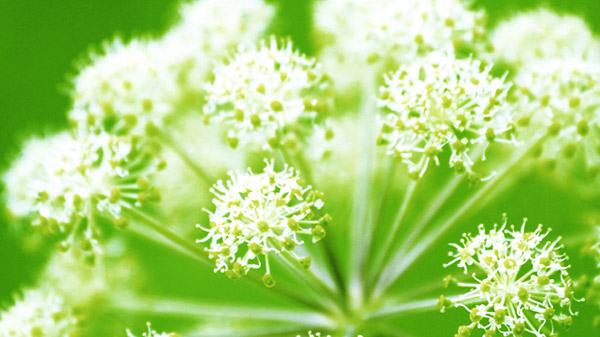
What we know as angelica is the premier Chinese remedy for PMS and is also called the “female ginseng”. A natural adaptogen, it balances the menstrual cycle, preventing cramps, bloating, acne and irritability. It helps regulate the cycle after coming off the Pill, and reduces hot flashes, vaginal dryness and palpitations during the menopause. It also rich in iron and vitamin E. According to some studies, dong quai can lower blood pressure, regulate blood sugar and help prevent anaemia.
DOSE : Two to three capsules daily.
4. GINKGO BILOBA
In China, they call ginkgo biloba the plant of youth and its heart-shaped leaves and plum-like seeds are used to treat respiratory ailments, such as tuberculosis, asthma and bronchitis, and circulatory problems. In the west, studies indicate that ginkgo biloba yields ginkgolides and bilobalides – flavonoids that dilate blood vessels and have antibacterial and antifungal activity. Powerful anti-free radicals and anti-coagulants, these flavonoids may also help to prevent strokes, and speed brain tissue repair. Over 40 studies have also shown it to combat memory loss and poor concentration and to boost mental alertness.
DOSE : 120 to 160 mg daily. It may take four to six weeks to kick in. The few reported side effects include headaches, mild stomach upsets and skin reactions.
5. GINSENG
The Chinese have used this most famous root for 5,000 years as a rejuvenating cure-all. It is said to improve memory and mental performance. Ginseng has antioxidant properties: Japanese studies have found that it contains compounds called saponins that inhibit the growth of cancer cells and lower cholesterol. Russian studies have demonstrated ginseng’s ability to fight stress by normalizing body functions such as blood sugar and pressure levels – hence its ” adaptogenic ” reputation. As a menopause aid, compounds similar to oestrogen help counter hot flushes, lethargy and irritability.
DOSE :
Take Two or three capsules daily or 5 to 10 g powder mixed with liquid; and one cup of tea, preferably in the morning and an hour before eating.
6. GLUTAMINE
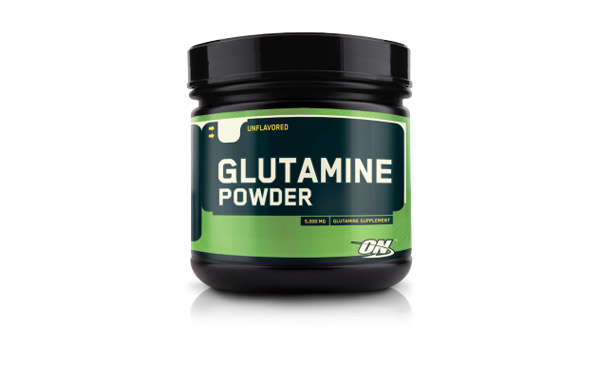 Glutamine is the body’s most abundant amino acid, especially in the brain, bones and blood. However, illness, continual stress and dieting depletes it, and cooking destroys it in food. Research reveals that glutamine is the primary fuel that prevents bone and muscle wastage and fatigue. Studies have shown glutamine to help raise the IQ of children with learning difficulties and generally boost mental performance, especially when blood glucose is low. An immune – booster, is also aids digestion and helps prevent upsets and food allergies. It can also reduce alcohol, nicotine and drug cravings.
DOSE : During times of stress or recovery from illness, 1 or 2 teaspoons ( 4 to 8 g ) daily mixed with water is usual. Subtract 1 g of protein from your diet for every gram of glutamine you take so as not to overstress the liver or kidneys.
7. GLUTATHIONE
Glutathione is a powerful antioxidant which is synthesized in the body from three other amino acids: L-cysteine, L-glutamic acid and glycine, all found in fruit and vegetables such as citrus fruits, melon and raw carrots. Studies have show that it may help protect against cancer, radiation and debilitation due to smoking and alcohol abuse. It has major detoxifying properties and may help keep the immune system healthy. Other studies indicate that glutathione may act as an anti – inflammatory agent and may reduce symptoms of allergies and arthritis.
DOSE : 50 mg once or twice daily.
8. MELATONIN
This hormone is secreted by the pineal gland in the brain during sleep. It is crucial to rhythms, especially the circadian rhythm which regulates sleep – wake cycles. Widely used to ease the symptoms jet lag, it can also help cure insomnia. Production of melatonin drops dramatically with age. Animal studies have shown that melatonin supplementation can prolong life by 20 per cent.
DOSE : An effective dose for jet lag and insomnia is one to three 3 mg tablets taken 90 minutes before bed.
An antioxidant, selenium works with glutathione to quash free radical damage and animal studies have shown it to have an antiviral action when combined with vitamin E. Selenium also detoxifies mental such as arsenic and mercury in the body. Its most famous property is as a cancer fighter. Selenium may help prevent heart disease by protecting blood clots.
DOSE :
100 to 200 mcg daily. Selenium is toxic in high doses, so don’t exceed 300 mcg.
10. WILD YAM
This increasingly popular “anti-ageing” vegetable extract is a traditional African folk remedy for rheumatoid arthritis and colic. Herbalists also prescribe it to ease PMS and menopausal symptoms such as flushes, fatigue and vagi – HRT. DHEA ( see above) is also present in wild yam.
DOSE : Two or three capsules daily.
Related Links
- Top 10 Anti-ageing Nutrition Habits
- Top 10 Ways to beat the blues
- Top 10 tips for a Healthy Liver and Lymph
- A Rundown on Nutrition bars
- Understanding Drugs
Disclaimer
The Content is not intended to be a substitute for professional medical advice, diagnosis, or treatment. Always seek the advice of your physician or other qualified health provider with any questions you may have regarding a medical condition.