Stress can affect virtually any part of the body and produce physical, mental and emotional symptoms including allergies, dizziness, headache, heart palpitations, environmental sensitivity, impaired coordination, impaired immunity and weight gain.

In a healthy body, carbohydrates are converted to glucose and a blood glucose level of 60-120mg/dl is maintained without thought to the dietary consumption of carbohydrate. In the glucose intolerant population, carbohydrates are readily converted to glucose and the pancreas responds to this shift in blood sugar by secreting an excessive amount of the hormone, insulin. Insulin’s job is to remove the glucose from the blood stream and help it to enter the body cells. If done properly, the blood glucose level returns to the normal range regardless of the amount of carbohydrate consumed. If this system is not working correctly, a quick rise in blood glucose followed by an over production of insulin occurs. The excessive insulin is not recognized by the body cells so is unable to remove the glucose from the blood stream. The result is an increase in blood insulin levels, which has an appetite stimulating effect.
Weight gain is often associated with emotional eating and the too-busy-to-exercise lifestyles of people under chronic stress. But researchers are finding that changes in the body triggered by stress, such as elevated cortisol levels, can cause insulin resistance and weight gain.
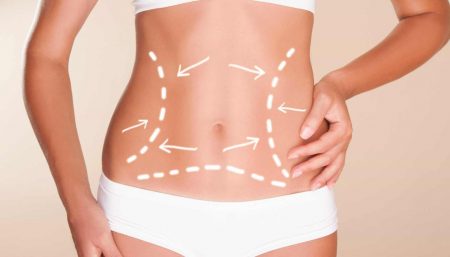
Under stress, the body excretes corticotrophin-releasing hormone and adrenalin. This reaction stimulates the release of cortisol from the adrenal cortex. In turn, cortisol, a glucocorticoid, stimulates glucose release into the bloodstream, which, during periods of chronic stress, creates an excessive release of insulin. Insulin, which is part of the endocrine system, is a fat-storage hormone that overrides the stress signal from adrenalin to burn fat. The excess release of insulin gives the body the message to store fat in the abdomen.
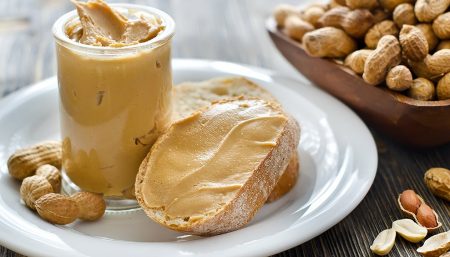
Consider the types of food women crave when stressed—carbohydrate-rich and often sugary comfort foods. Stress drives the carbohydrate cravings. This, combined with the hyperinsulinemic (insulin resistance) state that many people are in, creates the recipe for weight gain. Chronic stress is a big piece to the obesity puzzle that has 50 percent of people overweight and another 29 percent obese. French fries, chocolate bars, and ice cream are some of the common comfort foods that people gravitate towards and reach for when stressed.

The problem is not simply that people are eating too many carbohydrates and thus if they starve their bodies of these foods they will become lean and healthy again. The body needs carbohydrates for brain fuel, fiber and phyto-nutrients. Rather, the metabolic dysfunction in processing carbohydrates needs to be corrected.
Learning Ways to Handle Stress
- Write down your food intake such as what foods you eat and quantities you eat when stressed. This can be a helpful objective measure of what to cut down in future.
- Develop health munching habits.
- Talk about it.
- Laugh it off
- Exercise
- Be Creative
- Plan and prioritize
- Think positive
- Be kind to yourself
- Thank God for all that you have
- Practice Relaxation

Nutrients to Handle Stress
- B Vitamins– especially B3,B6, B12. Recommended niacin(B3) levels vary for a variety of age groups but fall between 25 and 100 mg/day. The recommended dosage of vitamin B6 is usually 2050 mg/day. Vitamin B12 is essential for nerve-tissue metabolism and is necessary for a healthy nervous system because it nourishes the myelin sheath that insulates nerve conduction. The recommended dosage of vitamin B12 is 100 mcg/day.
- De-Hydro Epi Androsterone (DHEA)- The normal DHEA dose is 25-50 mg/day, but doses ideally should be individualized because there is no established RDI for this supplement.
- Vitamin C- The most common vitamin C dose is 250 mg/day, but doses up to 2 g/day may be necessary.
- Relora is a new agent developed by plant-based extraction from the Magnoliaceae plant family. After the two weeks on relora, 80 percent said they felt more relaxed, and 75 percent said that they had a more restful sleep. This study is not yet published Recently, an independent research firm commissioned by a relora manufacturer administered 50 dietary supplements users with 23 capsules, each containing 200 mg relora, daily for two weeks. The subjects were professional women who stated they lived busy and stressful lives.
- Panax Ginseg (Panax quinquifolium). The recommended dose of ginseng is 200600 mg/day, standardized to contain at least 5 percent ginsenosides. As stress support, ginseng is traditionally used in a regimen of three weeks on, two weeks off. It may take several weeks for a clinical effect to become apparent.
- Ashwagandha (Withania somnifera) root. The recommended dose of ashwagandha is 450 mg, two to three times daily, standardized to contain 1.5 percent withanolides per dose.
- Rhodiola (Rhodiola rosea), or Arctic root. Current accepted practices suggest 50100 mg twice daily, standardized to contain 1 percent salidrosid or 40 to 50 percent phenylpropenoids per dose.
- Holy Basil (Ocimum sanctum), also known as tulsi or sweet basil. Current accepted practice recommends holy basil doses of 400 mg daily, standardized to contain 1 percent ursolic acid per dose.
Stress is a normal part of life. What really matters are how much stress, what kind of stress, and ultimately how each individual handles the stress they face. Long-term stress takes a physical toll because the body tries to find ways to adjust to metabolic changes. If lifestyle modifications do not work—leaving a stressful job, exercise, meditation—then biochemical and nutritional factors may be useful. Pharmacists can educate their customers about nutritional therapy and have a lasting influence on their health.
Related Links
- Top 10 Ways of Dealing with Stress
- Food craving: understanding body signals
- Carbohydrates: Do they cause weight gain?
- Restoring a healthy appetite
- Body Fat and Women
- Emotional Attitude: a factor in Weight loss
- Top 10 high sugar foods to avoid
- Counting some health benefits of Meditation
- Yoga Asanas for Reducing Abdominal Fat
Disclaimer
The Content is not intended to be a substitute for professional medical advice, diagnosis, or treatment. Always seek the advice of your physician or other qualified health provider with any questions you may have regarding a medical condition.