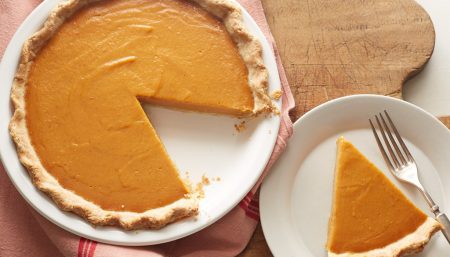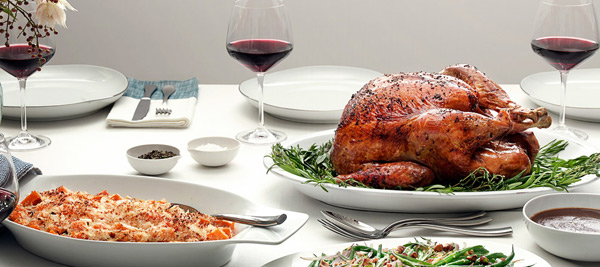
Thanksgiving meals are traditionally family events where certain kinds of food are served. First and foremost, turkey is the featured item in most Thanksgiving feasts (so much so that Thanksgiving is sometimes facetiously referred to as “Turkey Day”). Stuffing, mashed potatoes with gravy, sweet potatoes, cranberry sauce, corn, turnips, rolls, pecan pie, and pumpkin pie are commonly associated with Thanksgiving dinner. Often guests bring food items or help with cooking in the kitchen as part of a communal meal.
The key to unwanted stuffing is – everything in moderation.
- Water is a dieter’s best friend. Drink Plenty of Water: Water helps control your appetite by making you feel fuller faster.
- Eat Slowly: It takes 20 minutes for your brain to register that you’re full. So, savor your food, drink lots of water and slow down. Give your mind a chance to catch up with your body. According to experts, eating slowly, putting your fork down between bites, and tasting each mouthful is one of the easiest ways to enjoy your meal and feel satisfied with one plate full of food.
- Eat Before the Party Starts: Don’t go to dinner starving. Eat a healthy breakfast and a low calorie snack before hitting the Thanksgiving buffet. Start your day with a small but satisfying breakfast — such as an egg with a slice of whole-wheat toast, or a bowl of whole-grain cereal with low-fat milk — so you won’t be starving when you arrive at the gathering. Eating a nutritious meal with protein and fiber before you arrive takes the edge off your appetite and allows you to be more discriminating in your food and beverage choices. You’re less likely to overeat if you’ve got your appetite under control.
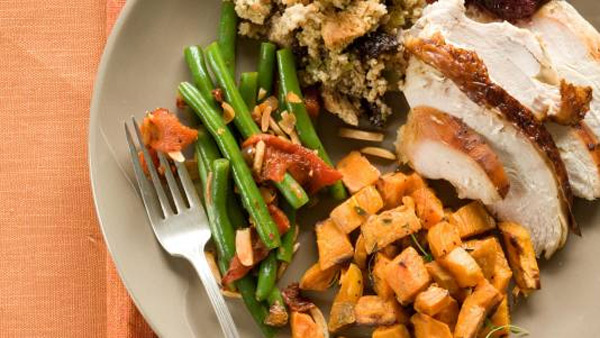
- Eat the Special Stuff: Don’t blow your precious calories on large portions of food you can eat everyday. Fill your plate with small portions of holiday favorites that only come around once a year so you can enjoy desirable, traditional foods. While each of us has our own favorites, keep in mind that some holiday foods are better choices than others. White turkey meat, plain vegetables, roasted sweet potatoes, mashed potatoes, defatted gravy, and pumpkin pie tend to be the best bets because they are lower in fat and calories.
- No Seconds: If you eat slowly and drink plenty of water with your meal, you shouldn’t feel the need to go for seconds. If you’re being pressured by your host to take seconds, politely say, “No.”
- Avoid Finger Foods: Hor d’oeurves can be high in calories and fat. With the exception of crudité, don’t eat anything that doesn’t require a knife and fork. Cooked vegetables also make great finger foods. Go for small amounts of cooked squash, sweet potato, white potato, beans and carrots.
- Survey the Buffet: Before diving head first into the buffet, give it a overlook. What items will make a satisfying and healthy dinner? What indulgences will you allow yourself? Limit a variety of foods as it stimulates the appetite. Only take two items at a time. Don’t put 20 different items on your plate at once.
- Stop When You’re Full: It sounds obvious, but stopping when you’re full is probably one of the harder things to do at the Thanksgiving table when everyone else is helping themselves to seconds. It will be easier to stop if you slow down, drink water, wear snug pants and push away from the table when you’re done.
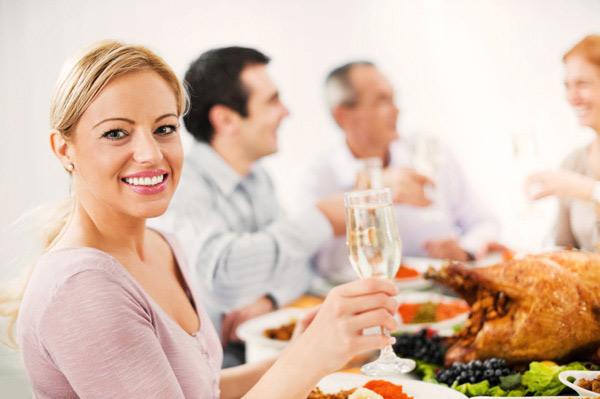
- Drink Alcohol in Moderation: Alcohol lowers your inhibitions, which makes it that much easier to justify a third helping of marshmallow-encrusted yams. Have a glass of wine or a wine spritzer and between alcoholic drinks, enjoy sparkling water, this way you stay hydrated, limit alcohol calories, and stay sober.
- Make Healthy Choices: Fortunately, many Thanksgiving mainstays fit into a healthy diet. Turkey is a great source of protein, and sweet potatoes are loaded with vitamin A. Just choose wisely. Eat white turkey meat rather than the dark stuff, which contains twice as much fat. If you’re preparing the meal, cut back on salt and butter in the side dishes. Try to use whole-grain breads and cereals whenever possible; they are rich in fiber and the B vitamins that are not so abundant in simple carbohydrates (white and refined grains, cereals, flours, and starches). Brown and wild rice and millet are a source of some protein, magnesium, fiber and iron. Quinoa is particularly packed with protein and fiber and other nutrients. Seeds and nuts are good sources of protein and the good type of fats. Some are very rich in antioxidants too. Some good combinations are apples with walnuts, mushrooms and ginger with brown or wild rice, and lentils with barley or rice. And, of course, your favorite herbs and spices go with any combination.
- Say No: Some people show their love through food. Others may feel threatened by your diet and pile food onto your plate because it makes them feel better about themselves. What you put in your body is your business. Rehearse politely saying “no” in your head. If you’ve let your hosts know that you’re on a diet, they shouldn’t take offense at your abstaining from another round of gravy-soaked mashed potatoes.
- Above all, create a calorie deficit by exercising to burn off extra calories before you ever indulge in your favorite foods. Take a walk early in the day and then again after dinner. It is a wonderful way for families to get physical activity and enjoy the holiday together.
Be creative and innovative! Have fun and add new foods to your Thanksgiving meal.
Disclaimer
The Content is not intended to be a substitute for professional medical advice, diagnosis, or treatment. Always seek the advice of your physician or other qualified health provider with any questions you may have regarding a medical condition.