There are many causes of shedding, from stress to chemotherapy, but 90 percent of hair loss is genetic and needs to be treated with medication. Traction Alopecia is a hair loss condition caused by damage to the dermal papilla and hair follicle by constant pulling or tension over a long period. It often occurs in persons who wears tight braids, especially “cornrows” that lead to high tension, pulling and breakage of hair.
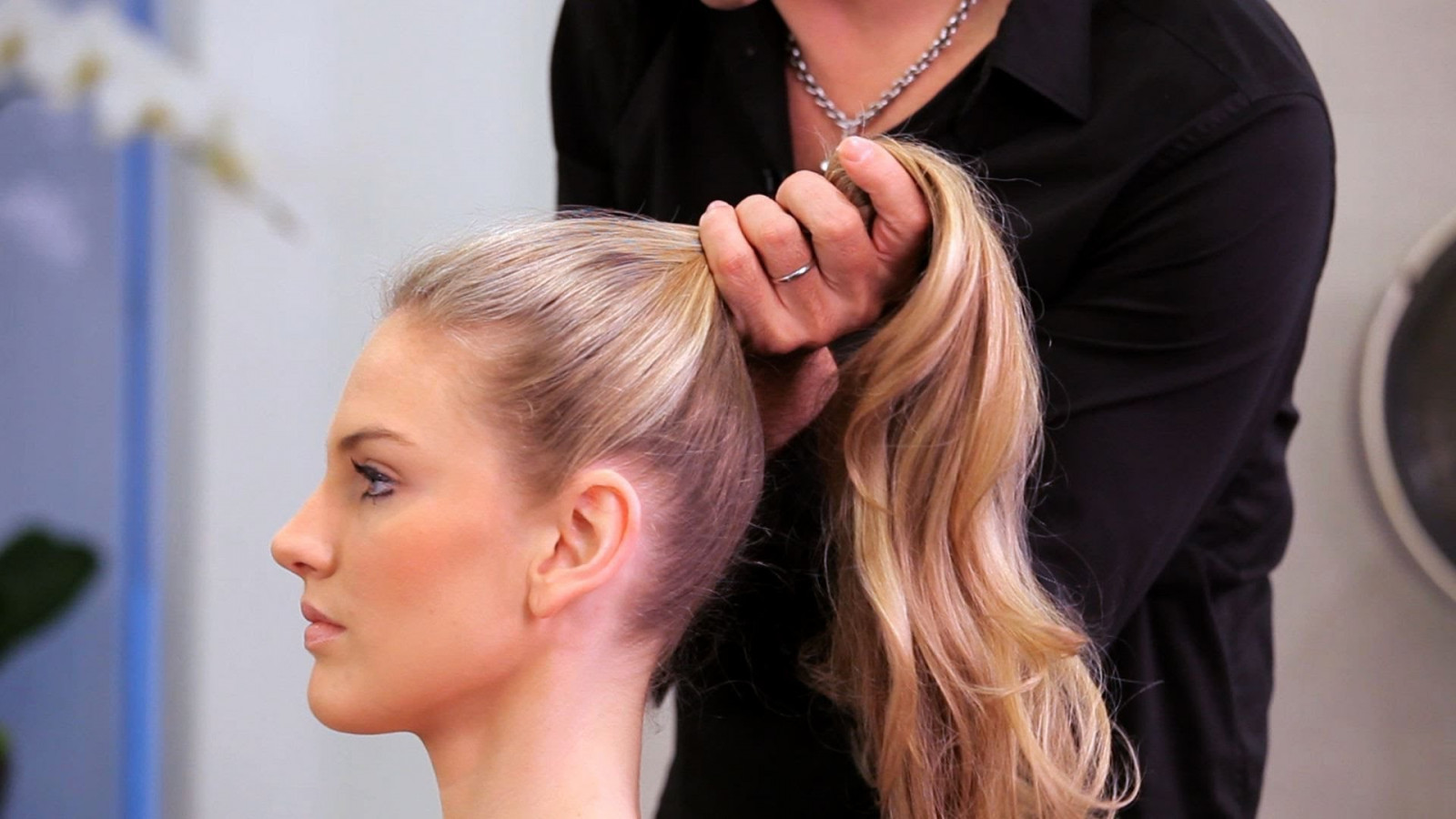
According to Dr. Randy Smith, a specialist of hair loss specialist in Illinois “Traction alopecia affects thousands of women each year. Continuous pulling of the hair that occurs from tight cornrows, braids, weaves, ponytails and curlers is often the culprit. If you have difficulty moving your forehead or experience headaches and scalp soreness, these may be signs that your hair is styled too tightly.” “Over time, bald spots may develop along the hairline and above the ears. The hairline gradually recedes significantly. If the problem is not treated, a permanent condition called scarring alopecia may result.”
Traction alopecia is reversible if diagnosed early, but may lead to permanent hair loss if it is undetected for a protracted period. Hair loss is often in the frontal and temporal regions, but also depends on the hair style. With those who wear cornrows, the area most commonly affected is that adjacent to the region that is braided. There are many signs of hair loss that can help you get the right treatment naturally, you need (pay attention to thinning hair, stress, inadequate nourishment).
Management Tips:
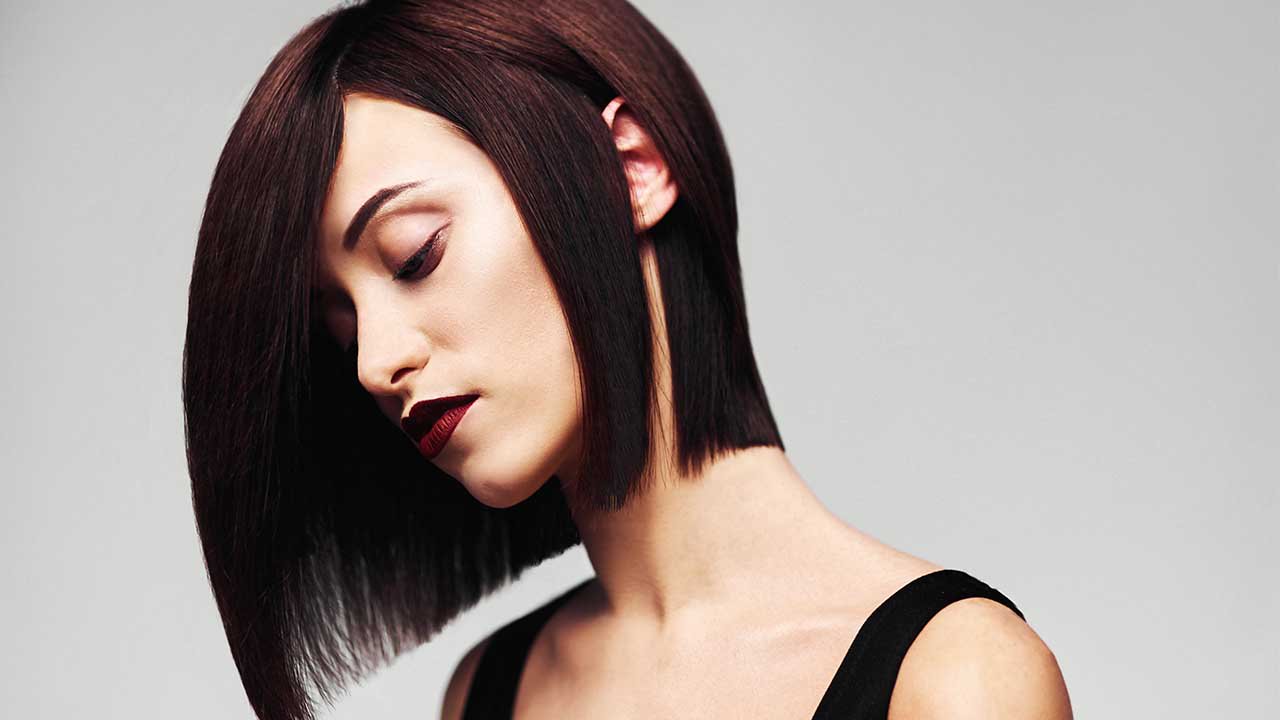
- Switch Hairstyle Frequently: It’s fine to wear your favorite hairstyles, but switch them up by changing where you part your hair and by loosening your hair at night before bed. Find several styles you like and that work with your face shape; rotate them based on the seasons or your mood. Not only will you enjoy a style switch, you’ll also take care of your hairline in the process. Draw a center parting at one time, side parting at another, backcombing and so on. This will give a new look to your face every time you go out.
- Avoid hairstyles that Hurt: Indication of pain signifies that your hair follicle is being pulled beyond the comfort zone. Once follicles are dead, there’s no bringing them back to life.
- Avoid use of Hair Relaxers: In ignorance and haste, people don’t always follow the directions on the box, or use a stronger formula than they need. Leaving relaxers on longer than the recommended time is also a surefire way to eventual damage.
- Opt for gentle Hair Styles: Looking out for neat hairstyle one tends to tie hair tightly which can leave them damaged permanently. Investigate new soft accessories like the fabric headband, scarves, and sparkling clips.
If you notice hair thinning around your hairline and you regularly wear tight hair styles, your hair is giving you a message loud and clear: Let your hair rest (the sooner the better) and it will re-grow!
A treatment suggested for advanced stages of Traction Alopecia is hair transplant and this is a very effective treatment. The best way to treat hair loss related to traction alopecia and Trichotillomania is with the help of a strict hair care regimen and by showing patience. Hair transplant is the solution for long standing cases.
Disclaimer
The Content is not intended to be a substitute for professional medical advice, diagnosis, or treatment. Always seek the advice of your physician or other qualified health provider with any questions you may have regarding a medical condition.