Trans fats are artificial fats made when hydrogen gas reacts with oil– by a process called hydrogenation. Hydrogenation increases the shelf life and flavor stability of foods containing these fats.
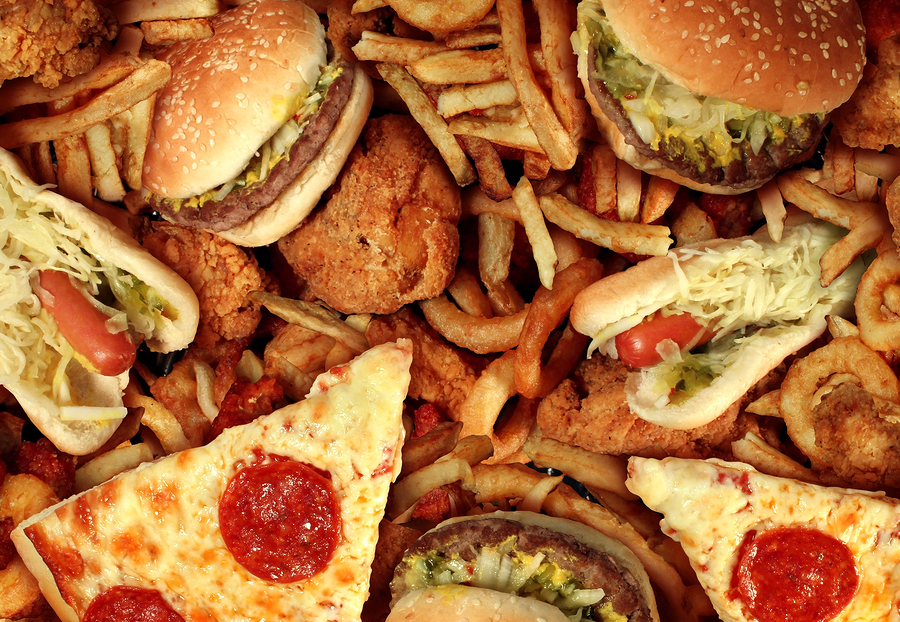
Trans fat can be found in vegetable shortenings, some margarine, crackers, cookies, snack foods, and other foods made with or fried in partially hydrogenated oils. Unlike other fats, the majority of trans fat is formed when food manufacturers turn liquid oils into solid fats like shortening and hard margarine. A small amount of trans fat is found naturally, primarily in some animal-based foods.
The intake of trans fats in the diet should be restricted to less than 1 per cent of the energy consumed by the body which works out to be less than 2 to 3 grams a day.
Why are They Bad for You?
Trans fats pose a higher risk of heart disease than saturated fats, which were once believed to be the worst kind of fats. While it is true that saturated fats — found in butter, cheese and beef, for example — raise total cholesterol levels, trans fats go a step further. Trans fats not only raise total cholesterol levels, they also deplete good cholesterol (HDL), which helps protect against heart disease.
What Harm do They do to the Body?
The stiffer and harder fats are, the more they clog up your arteries. Trans fats do the same thing in our bodies that bacon grease does to kitchen sinks. Over time, they can “clog the pipes” that feed the heart and brain, which can lead to heart attack or stroke risk.
According to the comprehensive Nurses’ Health Study — the largest investigation of women and chronic disease — trans fats double the risk of heart disease in women.
Trans Fats in Food
University of Maryland Medical Center registered dietitian Cynthia Payne has compiled a partial list of foods containing trans fatty acids, with estimates of how much trans fat each contains in grams.
| Bakery Products | Amount of Trans-Fats (grams) |
| Cinnamon bun, Entenmann’s | 1.6 |
| Pie — 1/8 pie | 4 |
| Frosted cake, 1 slice | 3 |
| Large chocolate chip cookies | 1.5 |
| Muffin, 3 oz. | 3 |
| Pound cake, 1 slice | 3 |
| Donuts | 3 |
| Pound cake, fat free, 1 slice | 0.2 |
| Breakfast Bars and Cereals | Amount of Trans-Fats (grams) |
| Pop tarts | 1.4 |
| Granola bars, chewy, chocolate chip | 0.6 |
| Margarine, Dressing & Spreads | Amount of Trans-Fats (grams) |
| Vegetable shortening, 2 Tbsp | 7-9 |
| Margarine, stick | 5-8 |
| Margarine, tub | 1-4 |
| Ranch dressing | 1.5 |
| Breads, Rolls & Taco Shells | Amount of Trans-Fats (grams) |
| Taco Shells, baked, 3 oz | 8 |
| White flour buns, 1 bun/roll | 0.8 |
| White or wheat bread, 2 slices | 0.2-0.6 |
| Dinner roll, 1 | 0.1 |
| Chips, Popped Corn & Candy | Amount of Trans-Fats (grams) |
| Microwave popped corn, 3.5 oz bag | 8.8 |
| Candy, 3 oz | 6.9 |
| Tortilla chips, 3 oz | 4.1 |
| Microwave popped corn, low-fat, 3.5 oz bag | 3.7 |
| Potato chips, 3 oz | 2.3 |
| Processed Oven Ready Food | Amount of Trans-Fats (grams) |
| French fries, 3 oz | 2-3 |
| Gorton’s Fish Sticks, 3 oz | 3 |
| Turkey breast, 3 oz | 0.2 |
| Commercial Fast Food | Amount of Trans-Fats (grams) |
| French fries, 3 oz | 1-5 |
Tips to Avoid Trans Fats in Diet
- Model healthy eating behaviors, make healthy choices available.
Try new fruits, vegetables, bean, chicken and other foods and recipes. - Learn how to identify high fat and trans fat foods.
When foods have a label, review the ingredient listing. Avoid foods labeled “hydrogenated or partially hydrogenated canola, soybean or cottonseed oil.” The listing order for hydrogenated fats is important; if it is listed first, second, or third, there is a lot of it in the food.
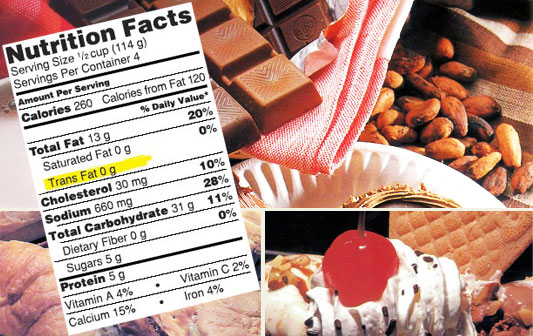
- The categories of foods that are likely to have trans fats:
- Fast foods – fried chicken, biscuits, fried fish sandwiches, French fries, fried apple or other pie desserts
- Donuts, muffins
- Crackers
- Most cookies
- Cake, cake icing, & pie
- Pop tarts
- Microwave popped corn
- Canned biscuits
- International and instant latte coffee beverages parents are more likely to use
- Be a Smart Shopper Don’t shop when you’re hungry because you’re more likely to make poor choices and buy on impulse when you shop on an empty stomach. Remember, most of the processed foods, which contain a lot of trans fats, are on the inner isles of the supermarket. When you do purchase processed foods, choose the lower fat versions of crackers, cereals and desserts.
Disclaimer
The Content is not intended to be a substitute for professional medical advice, diagnosis, or treatment. Always seek the advice of your physician or other qualified health provider with any questions you may have regarding a medical condition.