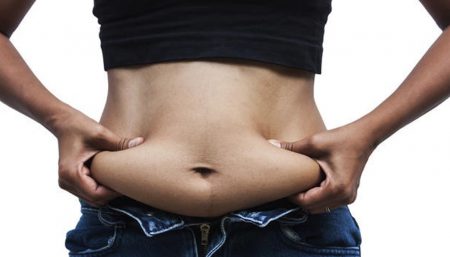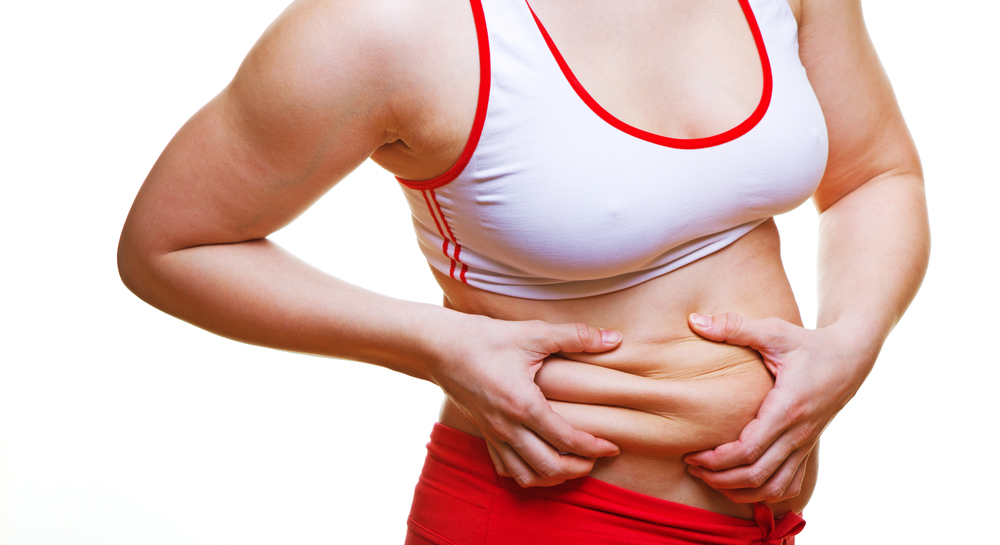
Following menopause, many women experience a natural increase in obesity, particularly around their intra-abdominal area, which refers to fat that stored in and around the internal organs.
| Where the body fat is stored in the body is the main determinant of who has metabolic syndrome. |
What is Visceral Fat?
Body fat comes in two varieties. There’s subcutaneous fat, a noticeable layer of fat that lies just below the skin, and then there’s visceral fat, which is buried beneath the muscles. Visceral fat is the more worrisome variety because it surrounds vital organs and is metabolized by the liver, which turns it into blood cholesterol.
Visceral fat can go largely unnoticed because it’s not visible to the naked eye. In fact, the only effective way researchers can locate visceral fat is by magnetic resonance imaging (MRI), which uses magnetic waves to take a picture of the inside of the abdomen. Researchers can use this picture to estimate the amount of visceral fat a person is carrying.
What Causes Visceral Fat?
Your genetic makeup is between 30% and 60% responsible for the amount of visceral fat you carry. Nevertheless, research shows that both your diet and your level of physical activity contribute to your level of visceral fat. People who consume large amounts of saturated fat and people who perform little or no physical activity are likely to have high stores of visceral fat.
Short of talking a physician into performing an MRI on your abdomen, how do you know how much of this unhealthy fat you have? Check your waistline. A trim waistline is a good indicator that you don’t have a large buildup of visceral fat.
Identifying women with visceral fat
The National Institutes of Health (NIH) have set the following cutoff points to identify women who are at high risk of developing obesity-related diseases:
Women with Waist Circumference Greater than 88 centimeters (35 inches)
If your measurements fall above these cutoff points, there is a good chance that you are carrying a dangerous amount of visceral fat. Even if your waist circumference does not exceed the cutoff value, making an effort to reduce your waistline can still significantly improve your health.

Getting Rid of Visceral Fat
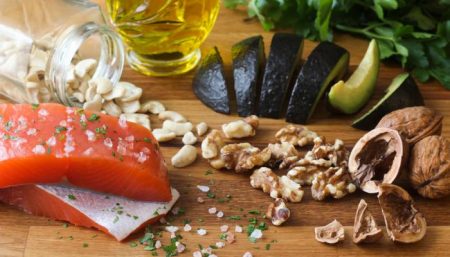
Research shows that people whose diets contain polyunsaturated fats in place of saturated fats have less visceral fat. Polyunsaturated fats are found in high concentrations in sunflower, corn, and soybean oils, as well as in fish. Also, just exercising moderately—doing things such as walking, swimming, or playing tennis—on most days of the week will help you prevent visceral fat from accumulating. What’s even better is that doing regular bouts of vigorous exercise can markedly reduce the amount of visceral fat you already have.
Building muscle—through weight lifting or other resistance exercises—will help, too. Muscle burns calories and helps you maintain your metabolic rate. The more muscle you have, the bigger your body’s engine, and the more likely you will be to burn fat.
Once adipocytes get the signal from hormones and release fat into the bloodstream, they shrink just like a balloon that you let air out of. When they shrink, so does your body fat. But if you eat excess fat once you’ve shrunk your adipocytes, chances are it will find its way right back to the adipocyte, and once again you’ll gain fat.
No matter how much physical activity you do, adipocytes never shrink so much that they disappear entirely. Like a balloon that you let all the air out of, you’re always left with some remnant. The only way to totally remove adipocytes from your body is with a surgical procedure such as liposuction or excision. But even with these procedures, if you go back to eating excess fat, you’ll put all the fat back on.
| The physical activity recommendation for improving health is to accumulate 30 minutes of moderate-intensity physical activity on most, if not all, days of the week. |
A Recent Study

In a study (in the Nov. 2004 issue of The Journal of Clinical Endocrinology & Metabolism,), conducted by Dr. Nicklas and her colleagues, who examined 58 obese, postmenopausal women, one-half of whom had metabolic syndrome, to determine whether four factors: aerobic fitness, body composition, body fat distribution and inflammation, differed between women with and without metabolic syndrome.
“We found that where the body fat is stored was the main determinant of who had metabolic syndrome,” Dr. Nicklas said. “We were not just looking at whether the fat was carried on the hips or in the abdomen. We determined whether abdominal fat was stored between the skin and the abdominal muscle wall, what we call subcutaneous fat, or stored as visceral fat, which is beneath the muscles and wrapped around the internal organs. There have been a number of studies that indicate that visceral fat is worse because it surrounds vital organs and may lead to more fat metabolism by the liver.”
“There was a dramatic difference in percentage of visceral fat between those women with metabolic syndrome and the other women in the study,” Dr. Nicklas said. “Women with metabolic syndrome had 33 percent more visceral fat, but were similar in all other respects, including the waist circumference, with almost exactly the same amount of subcutaneous fat and identical fat cell size.”
“The study makes it clear that all fat is not alike and points to the importance of improving our understanding of visceral fat,” Dr. Nicklas said. “We need to learn what causes the fat to be stored beneath the muscles or around the internal organs and determine treatment options to reduce this visceral fat. More studies are also needed to determine whether measurement of visceral fat could be used by doctors for more accurate prediction of cardiovascular disease risk in obese individuals.”
While we need much more research to understand these risk factors, there are things people can do to reduce their risk,” Dr. Nicklas said. “High intensity exercise seems to preferentially reduce visceral fat and general weight reduction helps, too”
| The bottom line to losing weight and fat is that you must burn more calories than you consume. If you eat 2,000 calories a day and only burn 1,500, you’re going to gain weight. On the other hand, if you consume 1,500 calories and burn 2,000, you’ll be in caloric deficit by 500 calories. Since it takes 3,500 excess calories to gain a pound, you’d lose one pound per week if you produced a 500-calorie deficit each day of the week. To do that, you could reduce your calorie intake by 250 per day and increase your physical activity by 250 calories per day (for a 150-pound person, a 2.5-mile walk is all it would take). Do that each and every day of the week and you’ll drop a pound per week. |
Disclaimer
The Content is not intended to be a substitute for professional medical advice, diagnosis, or treatment. Always seek the advice of your physician or other qualified health provider with any questions you may have regarding a medical condition.