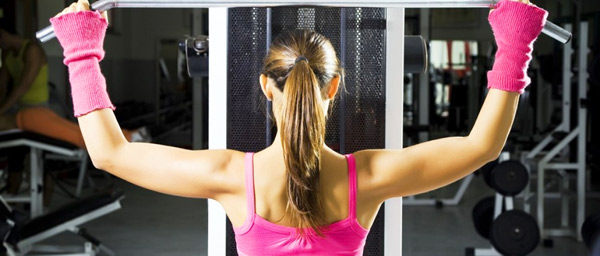
Weight lifting has generally been prescribed for women with breast-cancer–related lymphedema, preventing them from obtaining the well-established health benefits of weight lifting, including increases in bone density.
Breast-cancer survivors often struggle with a variety of quality-of-life complaints, including insomnia, weight gain, chronic fatigue, depression and anxiety.
To see if weight training might help boost patients’ quality of life, researchers assigned 86 women who had finished their cancer treatment to either a weight-training program or no weight training. Those in the weight-training group were taught how to perform nine common weight-based exercises using free weights and resistance machines to work the muscles of their chest, back, shoulders, arms, buttocks,hips and thighs. For the first 13 weeks, they participated in twice weekly, 90-minute supervised exercise sessions that included stretching, a cardiovascular warm-up, and abdominal and back exercises. The weight-lifting exercises involved low weights, and one to three new exercises were added at each session. The number of sets increased from two to three, with 10 reps in each set, using 2 to 3 pound weights during the first five weeks. If the women felt OK, more weight was added.
Study Reporting:
- The women who trained with weights had increase in lean muscle mass, compared with those who did not. Those who pumped iron also “had a moderately improved quality of life”
- Women in the exercise group, compared to the control group, showed improvements in quality of life, cardio-respiratory fitness, strength and muscle function, according to a report in the International Journal of Sports Medicine.
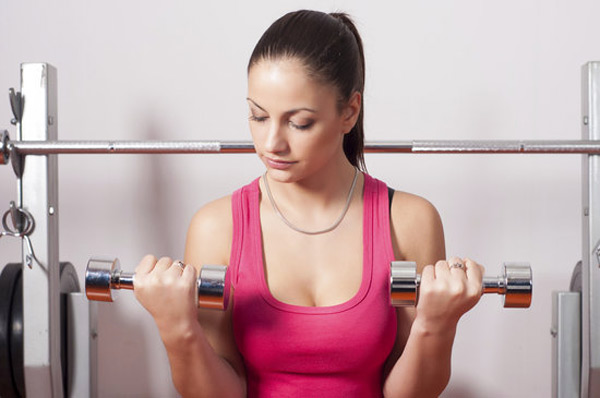
- Women in the weightlifting group experienced fewer exacerbations of their condition and a reduction in symptoms, compared to the women who did not lift weights. Nineteen women in the control group experienced worsening lymphedema that required treatment from a physical therapist, compared to nine in the treatment group. Lymphedema occurs in as many as 70 percent of women who have breast cancer surgery. Sometimes lymph nodes in the armpit are removed for cancer testing, which can cause the clear fluid (lymph) that circulates in the body to build up in the affected limb. As a result, women must wear a compression sleeve and glove during waking hours. The benefits seem to outweigh the risks, and a weight-lifting program may help these women prevent injuries from everyday tasks by boosting strength in the affected limbs.
- Women in the research group had an increased quality of life.
- Two or three sessions a week, about 20 or 30 minutes each time, is acceptable
If you’re being treated for breast cancer, try to make exercise (and a healthy diet) part of your daily routine. Think of exercise and a healthy diet as another important part of your treatment plan that helps you recover and stay healthy. Talk to your doctor about how much and how often you should exercise. Ask around and see if any breast cancer support groups near you have organized exercise classes. If you can’t find an exercise class through a breast cancer support group, think about joining another exercise class. There’s a good chance the class might be able to give you the motivation and support to make regular exercise part of your treatment and recovery. Find the right exercise routine for YOU and then do your best to stick with it! It can make a difference both physically and mentally, today and tomorrow.
Disclaimer
The Content is not intended to be a substitute for professional medical advice, diagnosis, or treatment. Always seek the advice of your physician or other qualified health provider with any questions you may have regarding a medical condition.