Author: Erika Johnson
Many people have questions after being diagnosed with chronic lymphocytic leukemia, and many surrounded by how medications work. Women are often navigating CLL in many forms, whether it be recently diagnosed, actively monitoring, or just setting foot into the beginning stages of treatment. It is important to understand the science of the form of treatment to make the overwhelming nature of the decision of treatment less overwhelming.

As time goes on and the decades progresses, chronic lymphocytic leukemia medication has evolved and changed engagingly. Modern therapies sharply contrast with the previous dominant placement of traditional therapies. Chronically driven therapies focus more on precise medicine, which is the scientifically explainable basis for a form of treatment. Learning how medications for CLL work can be helpful for everyone that is invested in the treatment of the patient, including family, friends, and various support systems.
Learning the Science of CLL
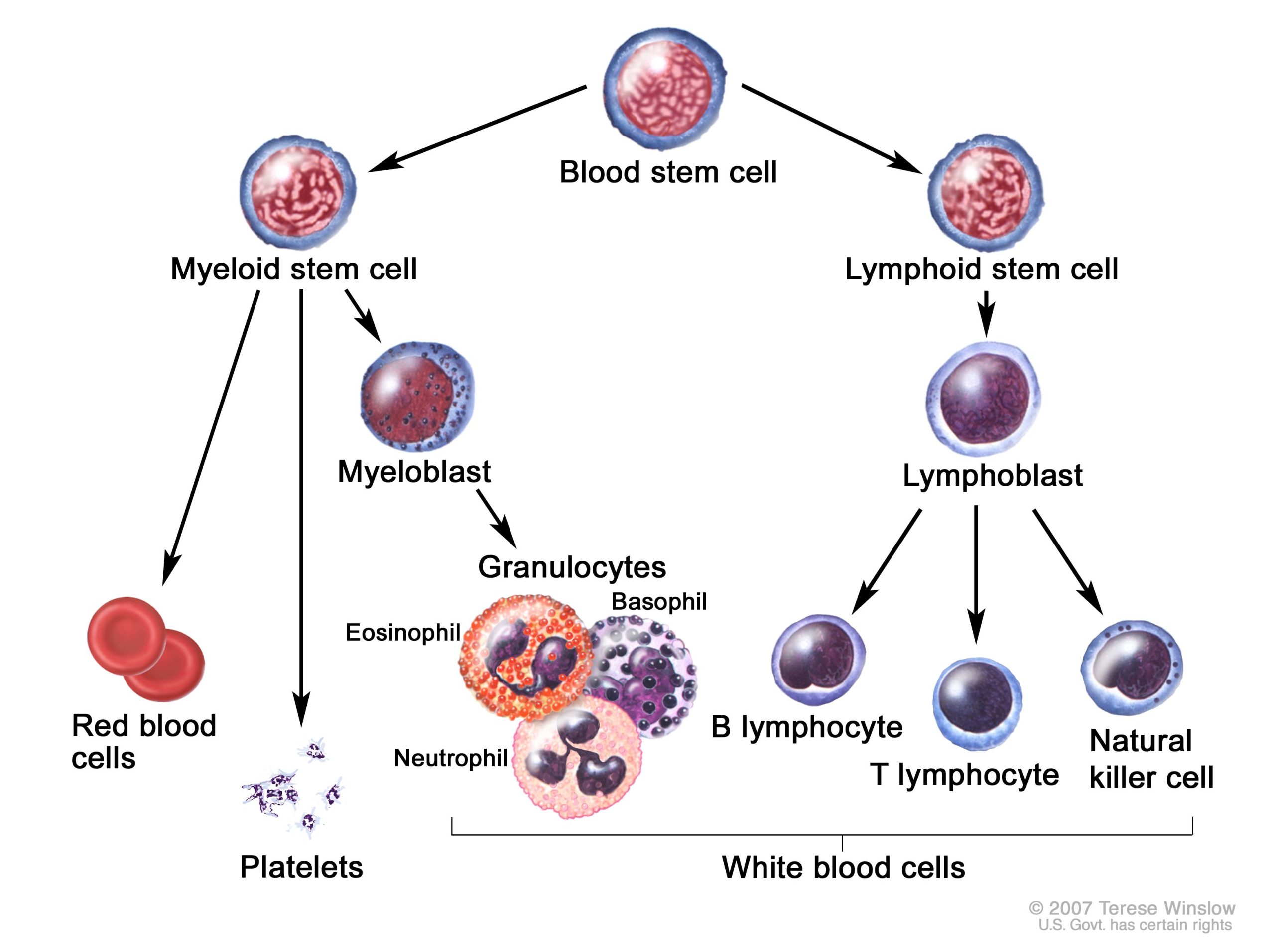
The relatively slow acting nature of CLL becomes problematic for the body’s own B Lymphocytes after forming in the bone marrow. Due to the slow acting nature of CLL, many may opt for active surveillance monitoring the signs to assess the need for and justify the use of intervention.
Deciding the nature of intervention with treatment is poorly defined, and based on disease stage, the presence of symptoms, the existence of genetic markers, the overall health of the individual being treated, what treatments are previously provided to them, and what are their individualized goals with the treatment. These developments that concern Chronic Lymphocytic Leukemia medication, and after the personalization of the psychiatric approaches to medicine, the personalization of the treatment based on characteristics have reached new heights.
The Role of Pathway Inhibition in Modern CLL Medications
Old methods of cancer treatments would kill all cells that divided at a rapid pace because most cancer cells would do this. While this was an effective way to address most cancer, it also meant that many healthy cells would also be doing the same and get destroyed in the process.
In more recent years, many advancements have been made that make it, so CLL treatment do not unintentionally hurt healthy cells. Most of these modern medication target CLL cells and the mechanisms these cells need to grow, signal, or survive. With the help of these mechanisms, cancer stem cells would be able to get away with remaining in the body and not be killed by these treatments. These therapies are designed to target specific molecular pathways involved in CLL.
CLL Medication & BTK Inhibitors
BTK inhibitors are one class of targeted therapies used in the treatment of CLLThe B Cell Receptor Signaling Pathway is made up of Bruton’s Tyrosine Kinase. B-cell cancers would multiply rapidly and become even more deadly because of the B Cell Receptor Signaling Pathway.
Hence, these inhibitors would block this pathway. This would mean that not only B-cell cancer would be less able to multiply rapidly and more able to be treated, but it would also mean that other cancers would be less able to multiply, as well. The introduction of these BTK inhibitors expanded treatment options used by both male and female CLL cancer patients but also provided an alternative that sidestepped the use of the more traditional options.
The Importance of New BTK CLL Treatments
The developed BTK inhibitors aim to sustain a BTK obstacle for 24 hours, which is an important concept used for the more modern CLL medication. Due to research references found in SEQUOIA and ALPINE, BTK inhibitors have been recognized as essential chronic lymphocytic leukemia medication. A few of the more well-known BTK inhibitors would have the following characteristics:
- Disease control outcomes have been assessed in clinical trials
- Durability and the potential for treatment-free periods have been evaluated in clinical studies
- More effective in high-risk CLL
- Flexible treatment options
- Refractory CLL with risky treatment options
- Some BTK inhibitors have been evaluated in clinical studies for treatment response
On the other hand, as these same advancements have taken place, so have the discussion picks surrounding both medications aimed at this classification as targeted therapies.
BCL-2 Inhibitors: Overview of the Newest CLL Medications
BCL-2 inhibitors have also caused a recent advancement with these targeted therapies. BCL-2 is a type of protein that makes leukemia cells resistant to apoptosis (programmed cell death). By inhibiting this protein, these drugs allow cancer cells to undergo apoptosis. For certain patients, this can serve as a new treatment option, often within time-bound treatment plans as opposed to indefinite therapy.
These treatment options may include:
● monotherapy
● Combination therapy with monoclonal antibodies
● Strategies with a set duration
● Certain frontline/relapse medication options
This has significantly increased medication options.
Monoclonal antibodies and the immune system
Monoclonal antibodies are also an essential class of drugs. These drugs bind CD20 and other proteins expressed on leukemia cells and prepare the immune system to recognize and destroy these cells.
These treatment options may include:
● Combination therapy with monoclonal antibodies
● Certain frontline/relapse treatment options
They have a significant role in chronic lymphocytic leukemia medication.
The Role of Genetics in Drug Selection
The application of biomarkers in the CLL medication is one of the major breakthroughs in the science of CLL. Not every medication is equally effective for every patient. Genetic properties may affect what treatment is best.
Significant biomarkers may include:
● TP53 mutation
● del(17p)
● IGHV mutation status
● Complex karyotype
● Other molecular risk factors
This is one of the primary reasons personalized medicines have come to the forefront of Chronic Lymphocytic Leukemia medication.
Women and Medication Decisions: Considerations
While CLL cancer is generally viewed from a broader perspective, women often have specific concerns that should be addressed.
Questions may include:
- How will medication impact my daily life?
- Are there negative effects I should be aware of?
- Which is better: continuous therapy or fixed-duration treatment?
- Where do you see treatment fitting into my caregiving, work, or family commitments?
- How often will I be monitored or must come back for a follow-up?
Your practical questions are equally salient as the scientific ones.
Differentiating Between Continuous and Fixed-Duration Therapy
Modern chronic lymphocytic leukemia medications come with multiple options.
Continuous Therapy
Some of these treatments are continued until:
- the disease progresses
- there are intolerable side effects
- a treatment switch is mandated
Some BTK inhibitor therapies are given this way.
Fixed-Duration Therapy
Other cancer treatment plans require therapy for a prescribed period.
Perhaps appealing potential benefits can be:
- A planned exit
- a treatment break
- a less extended period of treatment
- a predictable treatment schedule
For some women this might be a consideration.

How Treatment is Evaluated
Progression-Free Survival
Some women might be completely treatment-free, with treatment evaluated as successful if the disease remains controlled without progression. These are some of the studies that have led to may offer advantages in certain settings.
What are the measurable outcomes that clinically impact improvement to provide quality response?
For some women, this might be an appealing consideration.
What are the measurable outcomes of treatment response that lead to improved quality of life?
Every therapy will have a potential side effect related to safety. Safety of treatment and the side effects of treatment should be clearly explained.
Therapies differ, so monitoring may include:
- The risk of infection
- Changes in blood counts
- Concerns about bleeding
- Cardiac-related observations
- Changes in the gut
- Weariness
- Interventions of other drugs
Several of the newest drugs, the so-called targeted therapies, were developed to minimize side effects. This is a welcome and significant improvement in CLL treatment. Supportive treatment and frequent contact with the care team are still important.
What Makes Targeted Therapy Unique
It works more like a targeted approach focusing on the specific genetic changes or proteins that help cancer cells grow and survive rather than affecting all rapidly dividing cells the way traditional chemotherapy does. Targeted therapies represent a shift in treatment approaches for CLL.
In many women, this offers more options:
- Targeted treatments
- Optimized tolerability (side effects)
- Selective treatments
- Options not available in previous treatment lines
- Options not available in previous generations
Rapid-shifting Science in CLL Medications
The pace of CLL medication development is one of the fastest in all the medical fields.
Research in CLL focuses on:
- Next-generation targeted therapies
- New combination of residences
- Cellular therapies
- Personalized treatment sequencing
- Treatments for resistant disease
Science continues to evolve and so do treatment techniques. Be sure to follow.
Conclusion
Chronic Lymphocytic Leukemia rapid advancement in therapy options noted over past decades. Many therapies are now designed to target specific biological mechanisms involved in CLL based on the biological makeup and functionality of the leukemia cells. BTK inhibitors, BCL-2 inhibitors, monoclonal antibody therapies, and biomarker-based treatment selection help clinicians and patients discuss and easily understand the complexities of treatment options.
For women with CLL, the confidence to navigate [through] multiple treatment options are, in part, derived from the knowledge [they] obtain.
Disclaimer
The Content is not intended to be a substitute for professional medical advice, diagnosis, or treatment. Always seek the advice of your physician or other qualified health provider with any questions you may have regarding a medical condition.
