
Regular walking is widely recognized for its significant benefits to overall health and well-being. Previous research has primarily focused on middle-to-high-income White populations. Now, a novel analysis using data from the Southern Community Cohort Study, involving 79,856 predominantly low-income and Black individuals across 12 southeastern US states, confirms the benefits … [Read more...]

Fatigue, Anxiety, Pain? They Might be MS in Disguise
The earliest warning signs of multiple sclerosis (MS) may emerge more than a decade before the first classical neurological symptoms occur, according to new research from the University of British Columbia. Published on August 1 in JAMA Network Open, the study analyzed the health records of more than 12,000 people in British Columbia and found that those with MS began … [Read more...]
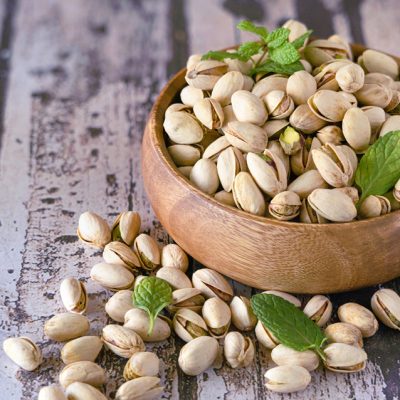
This Bedtime Snack Swap could Rewire Your Gut and Help Prevent Diabetes
Prediabetes affects a third of people in the United States and most of them will develop Type 2 diabetes, yet effective dietary intervention strategies remain limited. Pistachios have shown promise in improving markers of diet quality, yet little is known about how they influence the gut microbiome -- a key player in glucose regulation and inflammation. A new study led by … [Read more...]
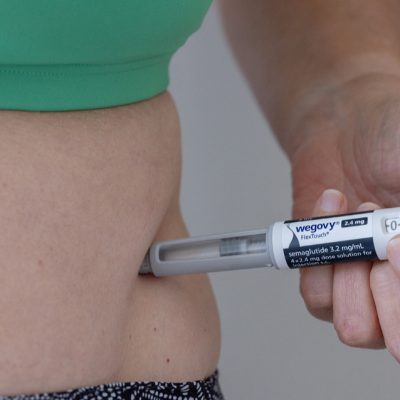
Weight Loss Drug Ozempic could Protect the Brain From Stroke
Three studies presented recently at the Society of NeuroInterventional Surgery's (SNIS) 22nd Annual Meeting discussed whether using GLP-1 inhibitors could lessen the impacts of stroke and related brain injuries or reduce the risk of stroke altogether. These medications, which lower blood sugar and often cause weight loss, are commonly prescribed for type 2 diabetes and obesity … [Read more...]

Is Cheese Secretly Fueling Your Nightmares? Science Weighs
Scientists have found that eating too much dairy could ruin your sleep. Researchers questioned more than 1,000 students about the quality of their sleep, their eating habits, and any perceived link between the two, and found a strong association between nightmares and lactose intolerance — potentially because gas or stomach pain during the night affects people's … [Read more...]
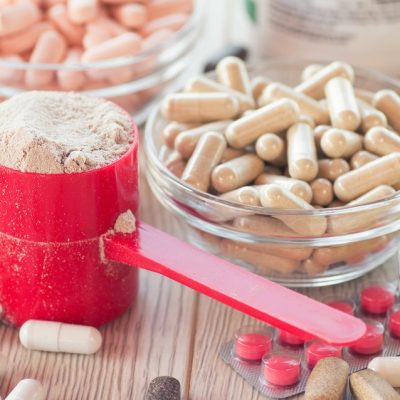
This Overlooked Supplement Could Help You Think Sharper and Age Better
Creatine, the supplement popular with athletes for its ability to help build strength and power, is increasingly being recognized for its broad health benefits. The compound's usefulness extends well beyond the gym, according to Dr. Richard Kreider, professor and director of the Exercise & Sport Nutrition Lab at Texas A&M University. Kreider has spent more than 30 … [Read more...]

After Cardiac Event, People Who Regularly Sit for too Long Had Higher Risk of Another Event
People who sit or remain sedentary for more than 14 hours a day, on average, may have a higher risk of a cardiovascular event or death in the year after treatment at a hospital for symptoms of a heart attack such as chest pain, according to new research published today in the American Heart Association's peer-reviewed scientific journal Circulation: Cardiovascular Quality and … [Read more...]
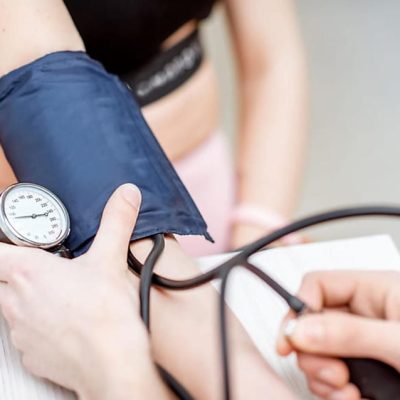
Controlling These 8 Risk Factors May Eliminate Early Death Risk for Those with High Blood Pressure
A new study led by researchers at Tulane University suggests that people with high blood pressure can significantly reduce -- and possibly eliminate -- their increased risk of premature death by controlling several key health risk factors at once. The study, published in Precision Clinical Medicine, tracked more than 70,000 people with hypertension and over 224,000 without … [Read more...]

Study Pinpoints The Impact of Prenatal Stress Across 27 Weeks of Pregnancy
The study, published in Psychoneuroendocrinology, is the first to examine weekly stress across 27 weeks of pregnancy to pinpoint when it most affects a newborn's stress response and temperament -- two measures that indicate infant biobehavioral reactivity. "Prenatal stress has a well-established link to negative health, including mental health, outcomes in children and … [Read more...]

Eating Craved Foods with Meals Lessens Cravings, Boosts Weight Loss
A new study shows that eating dessert may be the optimal strategy for losing weight, keeping it off and keeping cravings at bay. Dieters in a clinical trial who incorporated craved foods into a balanced meal plan lost more weight during the 12-month weight-loss program and their cravings remained minimal through the subsequent 12 months of maintenance. Then-graduate … [Read more...]

Gut Bacteria and Acetate, a Great Combination for Weight Loss
Affecting hundreds of millions of people around the world, obesity constitutes a global epidemic. It is linked to eating too much sugar and starchy foods and is known to increase the risk of heart disease, type-2 diabetes, and cancer. At the same time, studies show that eating fiber reduces the risk of the these very same diseases -- even though it cannot be digested directly … [Read more...]

Running on Empty: Poor Nutrition Increases Injury Risk for Female Athletes
In a systematic review of nearly 6000 runners, researchers examined the link between diet and exercise-related injury among adult distance runners. The study found that lower energy and fat intakes were strongly associated with a higher risk of injury in female runners. The study also found that a low-fibre diet increased the likelihood of bone stress injuries in both … [Read more...]

Are ‘zombie’ skin cells harmful or helpful?
Senescent skin cells, often referred to as zombie cells because they have outlived their usefulness without ever quite dying, have existed in the human body as a seeming paradox, causing inflammation and promoting diseases while also helping the immune system to heal wounds. New findings may explain why: Not all senescent skin cells are the same. Researchers from Johns … [Read more...]

Increasing Physical Activity in Middle Age May Protect Against Alzheimer’s Disease
An increase in physical activity between the ages of 45 and 65 could help prevent Alzheimer's disease, while inactivity may be detrimental to brain health. This is the main conclusion of a scientific paper published in Alzheimer's & Dementia, which highlights the need to promote physical activity among middle-aged adults. The study is the result of a collaboration between … [Read more...]

Prenatal Folic Acid May Boost Brain Health in Offspring
Taking folic acid early in pregnancy was associated with better neuropsychological outcomes in the offspring at age 6 years, including improved verbal skills and behavior, new research suggests. The study, which included women with and without epilepsy, found no evidence of negative cognitive or behavioral outcomes, even with higher doses of folic acid. “The study … [Read more...]

New Guidelines on Fertility Preservation in Cancer Care Explained
The American Society of Clinical Oncology (ASCO) has released updated guidelines to guide fertility preservation for people with cancer, with the previous update published in 2018. The 2025 update reflects substantial growth in the evidence base, with 166 studies incorporated compared with just 61 studies in the 2018 guidelines. According to the authors, this expanded … [Read more...]
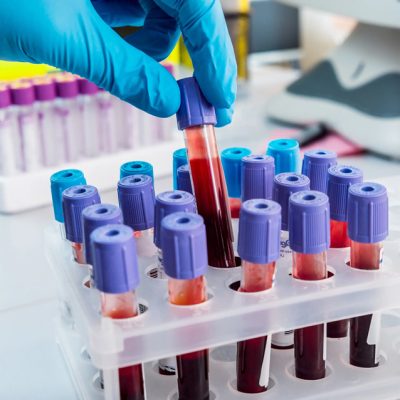
New Strategy May Enable Cancer Monitoring From Blood Tests Alone
A new, error-corrected method for detecting cancer from blood samples is much more sensitive and accurate than prior methods and may be useful for monitoring disease status in patients following treatment, according to a study by Weill Cornell Medicine and New York Genome Center investigators. The method, based on whole-genome sequencing of DNA, also represents an important … [Read more...]

Eat Better, Breathe Easier? Research Points to Link Between Diet, Lung Cancer
For cancers of organs like the liver, the long-term impact of our diet has been well studied -- so much so that we have guidance about red meat, wine and other delicacies. A new study from researchers at University of Florida Health looks at another kind of organ whose cancer risk may be affected by poor diet: the lungs. The study was funded by several National Institutes … [Read more...]

Mother’s High-Fat Diet Can Cause Liver Stress in Fetus
When mothers eat a diet high in fat and sugars, their unborn babies can develop liver stress that continues into early life. A new study published in the journal Liver International sheds light on changes to the fetus's bile acid, which affects how liver disease develops and progresses. Bile acids typically help with digestion and absorb dietary fats in the small … [Read more...]

Antibiotics During Infancy Induce Microbiome Changes, Raise Risk for Childhood Asthma by 30 Percent
Antibiotics given during infancy produce changes in the microbiome that may raise the risk for childhood asthma by 30%, suggested two posters presented on February 28 at the American Academy of Allergy, Asthma, & Immunology (AAAAI)/World Allergy Organization 2025 Annual Meeting. Research suggests that respiratory infections during infancy raise the risk of developing … [Read more...]
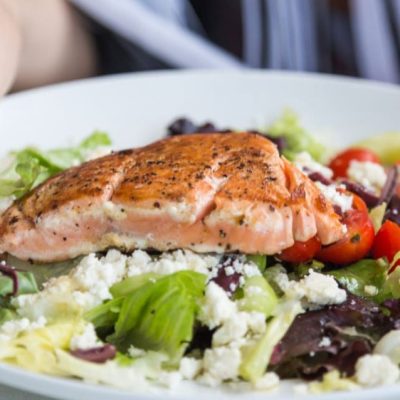
Fish-Rich Diet May Slow Multiple Sclerosis Disability Progression
Higher consumption of oily fish such as tuna and salmon or lean fish like cod and perch is associated with a reduced risk for disability progression in patients with multiple sclerosis (MS), a new study confirmed. Investigators observed the positive associations across three different disability measures, suggesting that diets high in fish may offer benefits across different … [Read more...]
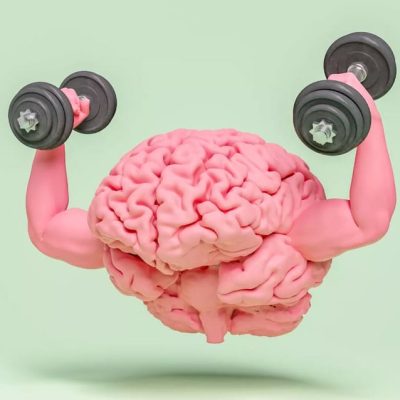
Exercise Improves Brain function, Possibly Reducing Dementia Risk
A study led by scientists at Rutgers University-New Brunswick has shown that specialized cells involved in how the body responds to insulin are activated in the brain after exercise, suggesting that physical activity may directly improve brain function. A study, published in Aging Cell, a journal focused on the biology of aging, indicates that therapies targeting this … [Read more...]
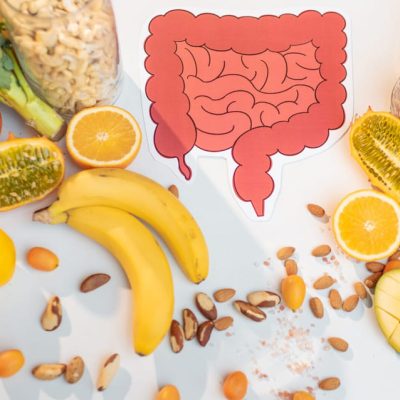
Suboptimal dietary patterns may accelerate biological aging as early as young adulthood
Humans do not always age biologically at the same rate as their chronological age. Faster biological aging compared to chronological age has been linked to higher risks of disease and mortality. According to a recent study, a diet low in vegetables and fruits and high in red meat, fast food, and sugar-sweetened soft drinks was associated with accelerated biological aging even … [Read more...]

Beneficial Prenatal Vitamins to Reduce Risk of Infant Death
Dongqing Wang, an assistant professor of Global and Community Health at George Mason's College of Public Health, is pioneering research in prenatal nutritional interventions. His latest report identifies prenatal supplements that reduce health risks to small and vulnerable babies. This research was published in the The Lancet Global Health journal and funded by the Bill and … [Read more...]
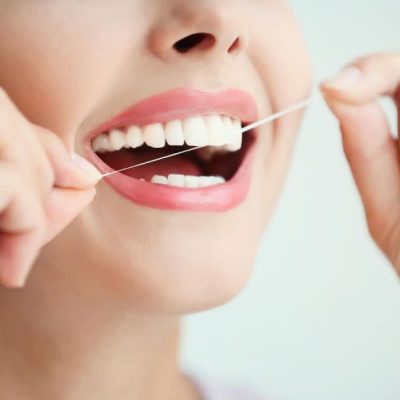
Regular Dental Flossing may Lower Risk of Stroke from Blood Clots, Irregular Heartbeats
Flossing your teeth at least once a week may be linked to a lower risk of stroke caused by a blood clot blocking brain blood flow and irregular heartbeats, according to a preliminary study to be presented at the American Stroke Association's International Stroke Conference 2025. The meeting is in Los Angeles, Feb. 5-7, 2025, and is a world premier meeting for researchers and … [Read more...]
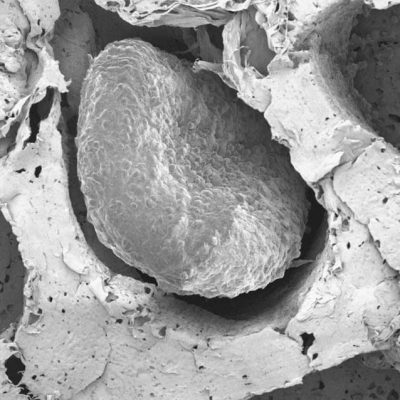
How Hungry Fat Cells could Someday Starve Cancer to Death
Scientists transformed energy-storing white fat cells into calorie-burning 'beige' fat. Once implanted, they outcompeted tumors for resources, beating back five different types of cancer in lab experiments. Liposuction and plastic surgery aren't often mentioned in the same breath as cancer. But they are the inspiration for a new approach to treating cancer that uses … [Read more...]

Electrifying Your Workout can Boost Muscles Mass, Strength
If building strength and muscle mass is part of your New Year's Resolution, you may want to add a new routine to your workout. Neuromuscular electrical stimulation (NMES), or electrical muscle stimulation for short, uses electrical currents to contract muscles. The stimulation devices are easy to use and widely available on the market, according to Sudip Bajpeyi, Ph.D., a … [Read more...]

Mental Health Risks Higher for Pregnant People with MS
Pregnant people with multiple sclerosis (MS) have a higher chance of experiencing mental illness both during their pregnancy and in the first years after they give birth than those without MS, according to a study published in the January 22, 2025 online issue of Neurology®, the medical journal of the American Academy of Neurology. The study involved 894,852 pregnant … [Read more...]
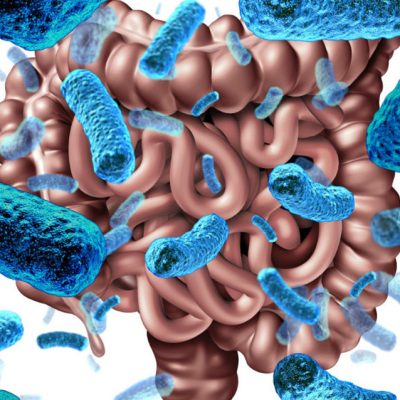
T Cells Rise Up to Fight Infections in the Gut
Your gut is a battleground. The cells that line your small intestine have to balance two seemingly contradictory jobs: absorbing nutrients from food, while keeping a wary eye out for pathogens trying to invade your body. "This is a surface where pathogens can sneak in," says La Jolla Institute for Immunology (LJI) Assistant Professor Miguel Reina-Campos, Ph.D. "That's a … [Read more...]

Burning Incense can Pose Health Risks for Those with Allergies and Asthma
In many cultures, it is common to burn incense for religious and cultural practices, including meditations, celebrations and spiritual and ancestral worship. A new medically challenging case being presented at this year's American College of Allergy, Asthma and Immunology (ACAAI) Annual Scientific Meeting in Boston warns that, for those with allergies and asthma, health … [Read more...]
- 1
- 2
- 3
- 4
- Next Page »
