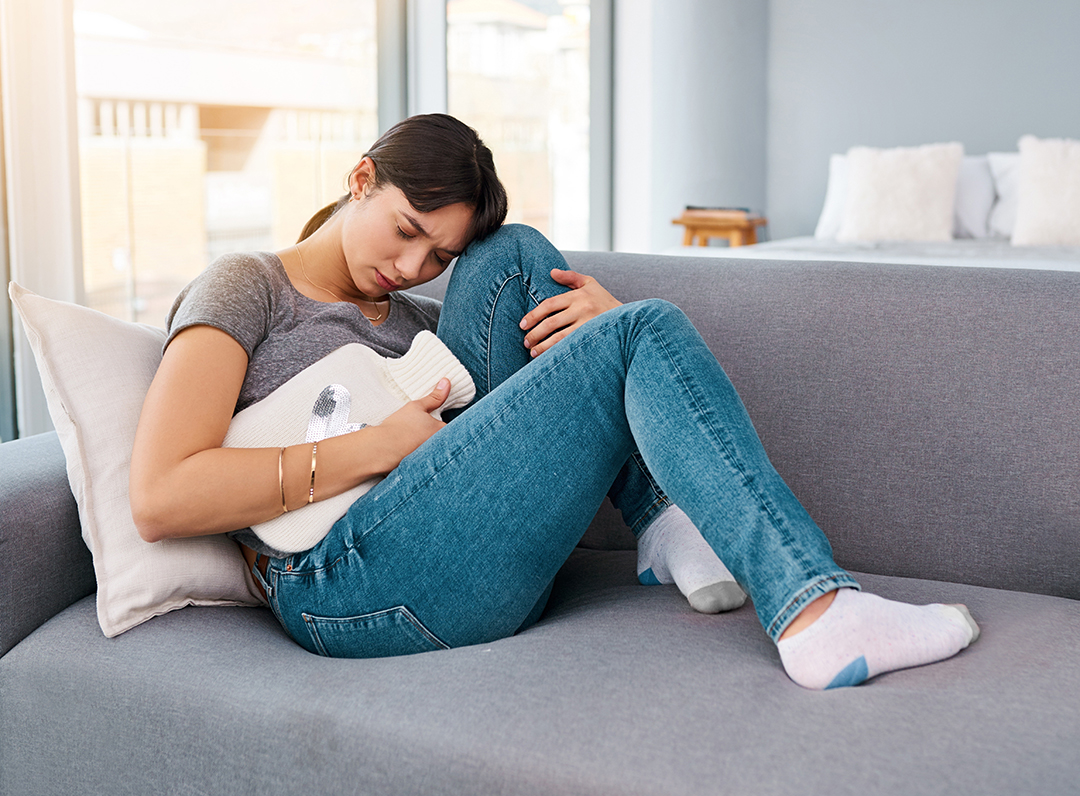
There are days in a woman’s month when her body simply feels different.
Your jeans may suddenly feel tighter. Your stomach may feel fuller. Your breasts may be tender. Your energy can dip, your patience can feel a little shorter, and emotions that normally roll right off your shoulders can suddenly feel much bigger. Then, as your period begins, cramping can add another layer of discomfort.
For so many women, these changes arrive month after month, almost like clockwork. Thankfully, you can influence how these symptoms feel through intentional movement, and you have more control over that than you may realize.
Movement gives you a way to actively support your body through these changing days of the month. Instead of simply waiting for the bloating, fatigue, mood changes, tension or cramping to pass, you can choose movement intentionally and use it to help your body feel better.
Movement can increase circulation, improve mood, release muscular tension, support digestion, reduce menstrual discomfort and restore energy at a time when your body may temporarily feel different.
There is a profound difference between exercising against your body and moving with it.
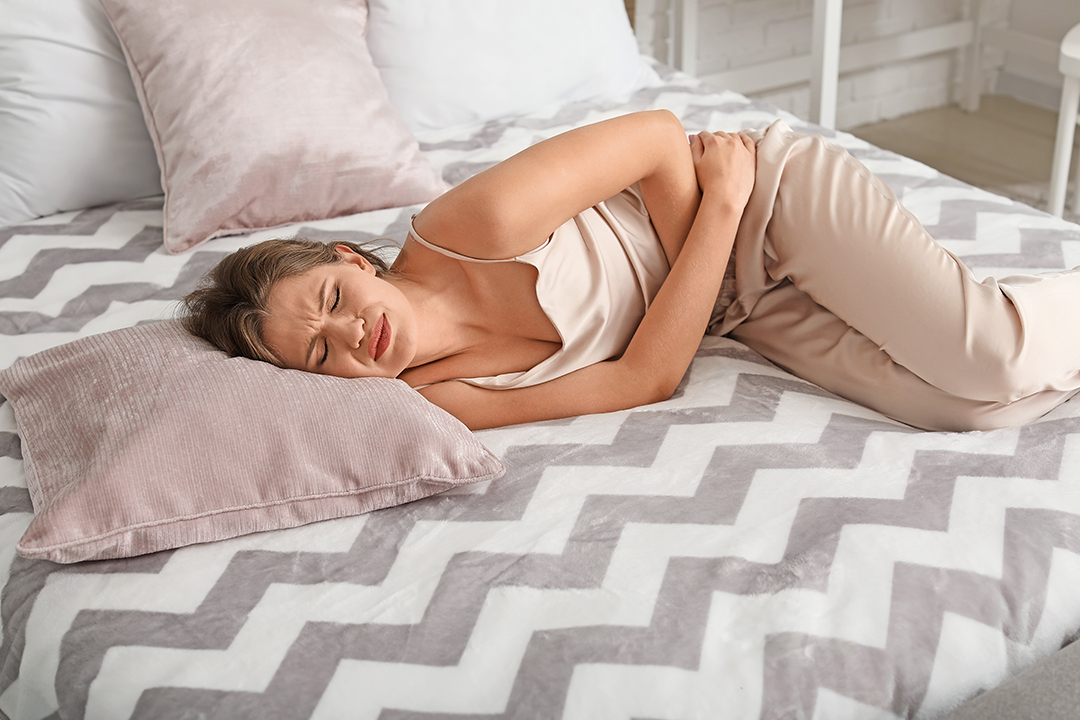
The workout that feels incredible one week may not be the workout your body needs the next. Some days you may feel strong enough to lift weights, run or take your usual fitness class. Other days, a brisk walk, a lighter strength session, yoga or stretching may be exactly what your body needs.
The goal during PMS is not to stop moving. It is to understand what your body needs in that moment and choose movement with purpose, using it as a tool to help manage some of the physical and emotional symptoms you are experiencing.
When you learn how to do that, you stop simply reacting to PMS and begin actively supporting yourself through it.
First, Let’s Understand What Your Body Is Doing
PMS, or premenstrual syndrome, describes the collection of physical and emotional symptoms that can occur during the days leading up to menstruation.
Hormones naturally fluctuate throughout the menstrual cycle. Following ovulation, estrogen and progesterone shift as the body moves toward the beginning of the next menstrual period.
Some women barely notice these changes, while others experience them much more strongly. Bloating, changes in appetite, breast tenderness, fatigue, headaches, irritability, mood changes, difficulty concentrating, digestive changes and abdominal discomfort can all occur during this time. Then, as menstruation begins, some women also experience cramping and pelvic or lower-back discomfort.
None of this means that your body has suddenly lost the progress you made the week before.
If the scale rises slightly or your abdomen looks fuller during this part of your cycle, that does not automatically represent an increase in body fat. Your body composition did not transform overnight. What you see and feel can reflect temporary shifts in fluid balance, digestion and the normal hormonal changes occurring throughout your cycle.
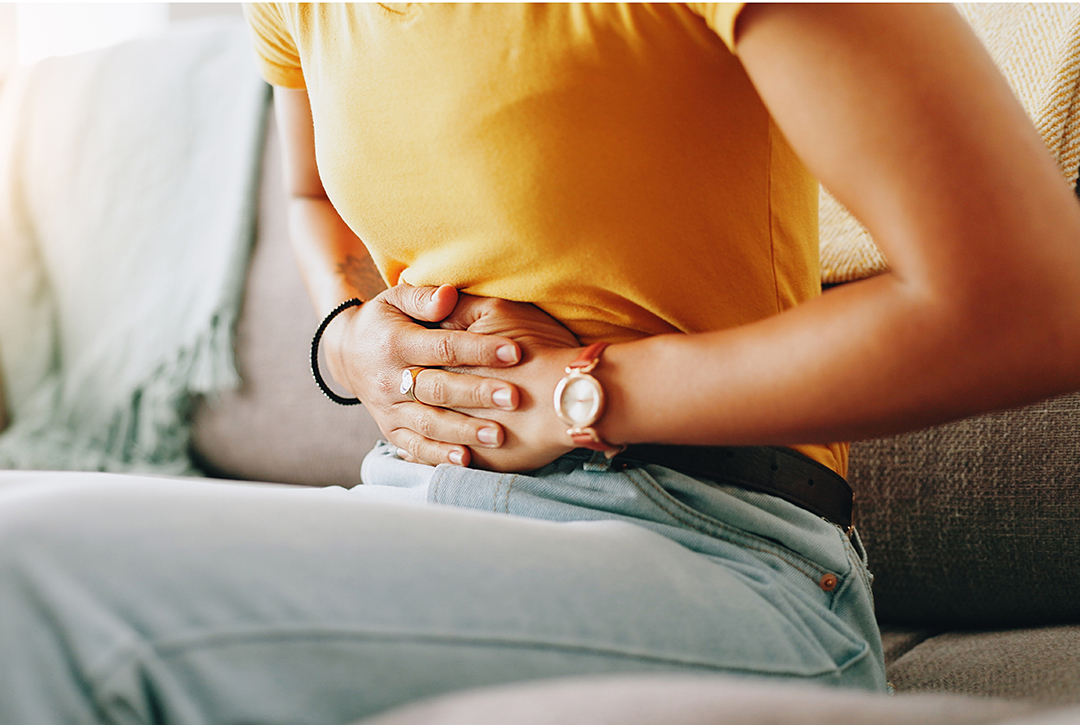
This is one of those moments when it is important to resist judging your body based on a snapshot.
Your body is dynamic. It changes throughout the day, throughout the month and throughout every stage of a woman’s life. Learning to recognize those changes, understand them and respond to them creates an entirely different relationship with your body.
Movement becomes one of the tools you can intentionally use within that relationship to ease discomfort, lift your mood, restore your energy and help yourself feel more like you again.
THE PMS MOVEMENT PRESCRIPTION
1- WALKING: THE MOST UNDERRATED PMS WORKOUT
Never underestimate the power of walking.
If you feel bloated, heavy, tired, irritable or simply less enthusiastic about your normal workout, put on your sneakers and walk. Walking immediately gets your body out of stillness and creates rhythmic movement through your legs, hips, pelvis and core while increasing circulation throughout your body.
That movement can be especially valuable during PMS.
Walking encourages normal digestive motility, which can be helpful when abdominal fullness, constipation or sluggish digestion accompanies bloating. It gets you upright and moving instead of remaining seated for long periods, which can make that heavy, uncomfortable feeling seem even more noticeable.
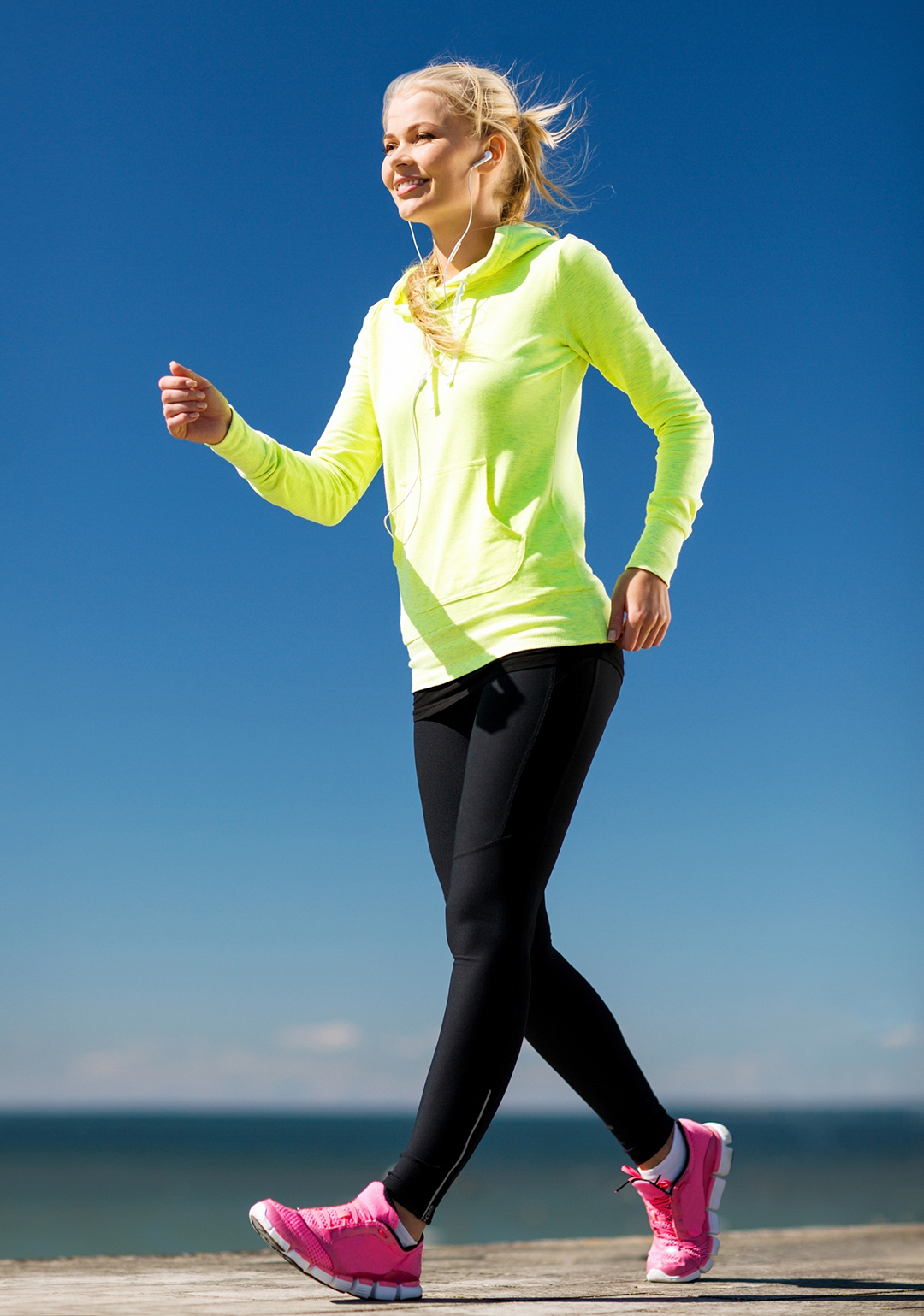
Walking can also change your emotional state. Rhythmic physical activity supports the release of endorphins and other brain chemicals involved in mood and stress regulation. Your breathing becomes deeper, your muscles warm, your circulation increases and your focus begins to shift. A day that felt emotionally heavy can start to feel different simply because you changed what your body was doing.
And when cramping begins, walking keeps the hips and pelvis moving while increasing blood flow and warmth through the body. Rather than remaining curled forward and tense around an uncomfortable area, gentle repetitive movement can help decrease some of that muscular guarding and stiffness.
How Walking Helps During PMS
- For bloating: Walking supports digestive movement and helps counter the sluggish, heavy feeling that can accompany PMS.
- For mood: Rhythmic movement can boost endorphins, decrease stress and give your mind a reset when irritability or emotional changes begin to take over the day.
- For cramps: Walking increases circulation and keeps the hips and pelvis moving, helping reduce stiffness and muscular tension surrounding menstrual discomfort.
- For fatigue: A brisk walk can increase alertness and energy without demanding the physical output of a high-intensity workout.
Try This
Begin with approximately five minutes at a comfortable pace and allow your body to warm naturally. Gradually increase your speed until you feel energized and your breathing becomes slightly deeper while still allowing you to hold a conversation comfortably.
Continue for approximately 20 to 30 minutes and adjust the pace to how your body feels that day. Let your arms swing, stand tall and breathe deeply as you move.
When you finish, ask yourself:
Do I feel better than when I started?… Chances are, something has shifted.
Your body is warmer, you have increased circulation, you have moved rather than remained still and you have given both your body and your mind an opportunity to reset.
Walk away feeling lighter, clearer and proud that you chose to do something positive for yourself! YOU HAVE THE POWER!
2- STRENGTH TRAINING: USE YOUR MUSCLES TO HELP YOUR BODY FEEL STRONGER
Yes, you can absolutely strength train during PMS and menstruation when your body feels good doing it.
Resistance training gets large muscle groups contracting, increases circulation throughout the body and creates movement through the hips, pelvis, legs, back and core, areas that can feel particularly tight or uncomfortable around menstruation.

It can also affect the way you feel emotionally. Exercise stimulates endorphins and other chemical responses associated with improved mood and stress regulation, while strength training offers another benefit that is difficult to measure: the feeling of being physically capable and strong on a day when PMS may have temporarily made you feel otherwise.
Resistance training can also help with menstrual discomfort. Strengthening and moving the muscles surrounding the hips, pelvis, legs, back and core creates a strong support system around the very areas where many women experience cramping, tightness and referred discomfort.
There is also an important bigger-picture reason to keep strength training as part of your life throughout your entire cycle.
Skeletal muscle is metabolically active tissue and one of the most important tissues in the body for glucose disposal and insulin sensitivity. It supports metabolic health, bone health, physical strength and long-term body composition. Maintaining that muscle through regular resistance training benefits your health every day of the month.
During PMS, however, the goal is not to prove how much weight you can lift. The goal is to continue receiving the physical and emotional benefits of strength training while adjusting the intensity to what your body is telling you that day.
How Strength Training Helps During PMS
- For bloating: Whole-body muscular contractions increase circulation and keep your body moving rather than sitting for prolonged periods. Resistance training also continues supporting the metabolic and glucose-regulating benefits of skeletal muscle throughout your cycle.
- For mood: Strength training encourages the release of feel-good chemicals while giving you the emotional lift that can come from feeling physically strong and accomplished.
- For cramps: Moving and strengthening the muscles around the hips, pelvis, lower back and core can help reduce the stiffness and muscular tension that often accompany menstrual discomfort.
- For fatigue: A moderate strength workout can leave you feeling more energized and alert without requiring a long endurance session.
If your regular weights feel great, use them. If they feel unusually heavy that day, lower them. You can also move to lighter dumbbells or bodyweight exercises and still have an incredibly effective session.
Modifying your workout is not losing momentum. It is knowing how to train your body intelligently through every phase of the month.
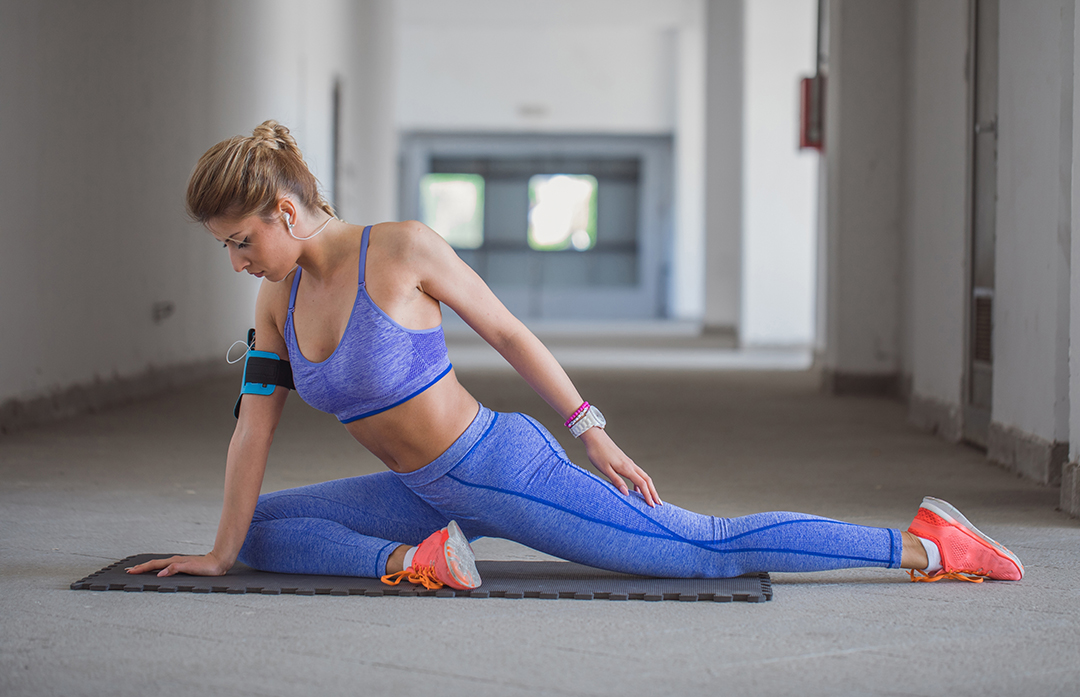
Try This Full-Body Strength Circuit
Perform two to three rounds:
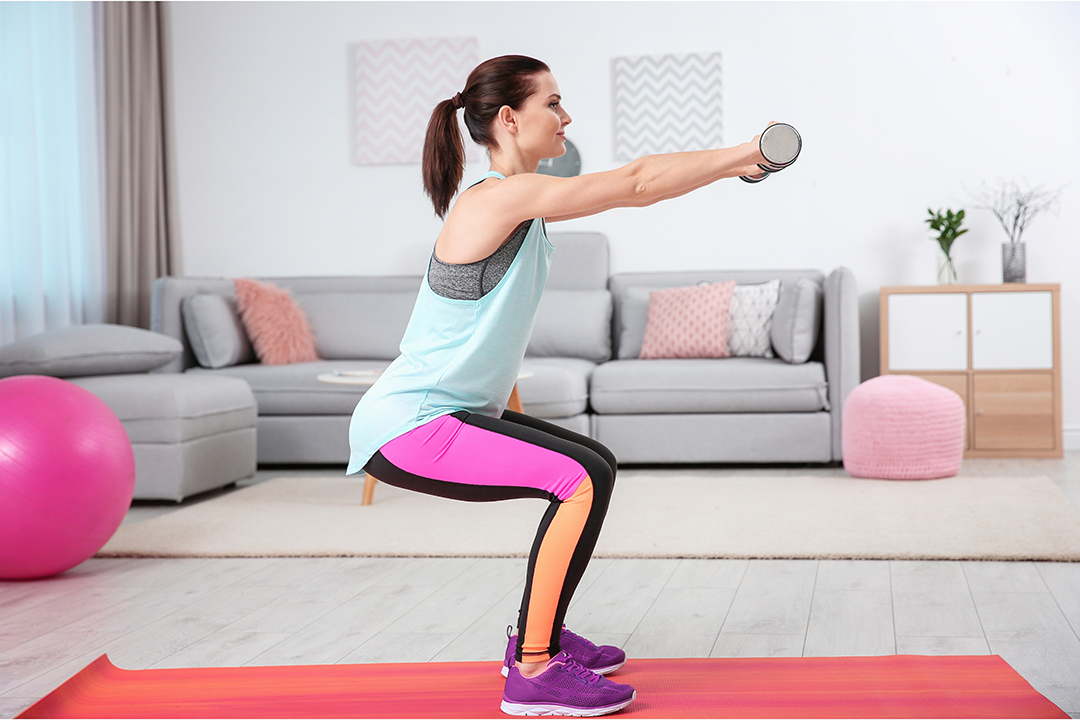
10 to 15 Bodyweight or Goblet Squats
Sit your hips back as though you are reaching for a chair, keep your chest lifted and stand tall. Squats activate the large muscles of your legs and glutes while creating movement through the hips and pelvis.
10 to 12 Dumbbell Rows Per Side
Keep the movement controlled and focus on your upper back. Rows strengthen your back and encourage a tall, open posture rather than the tendency to curl forward when you are uncomfortable.
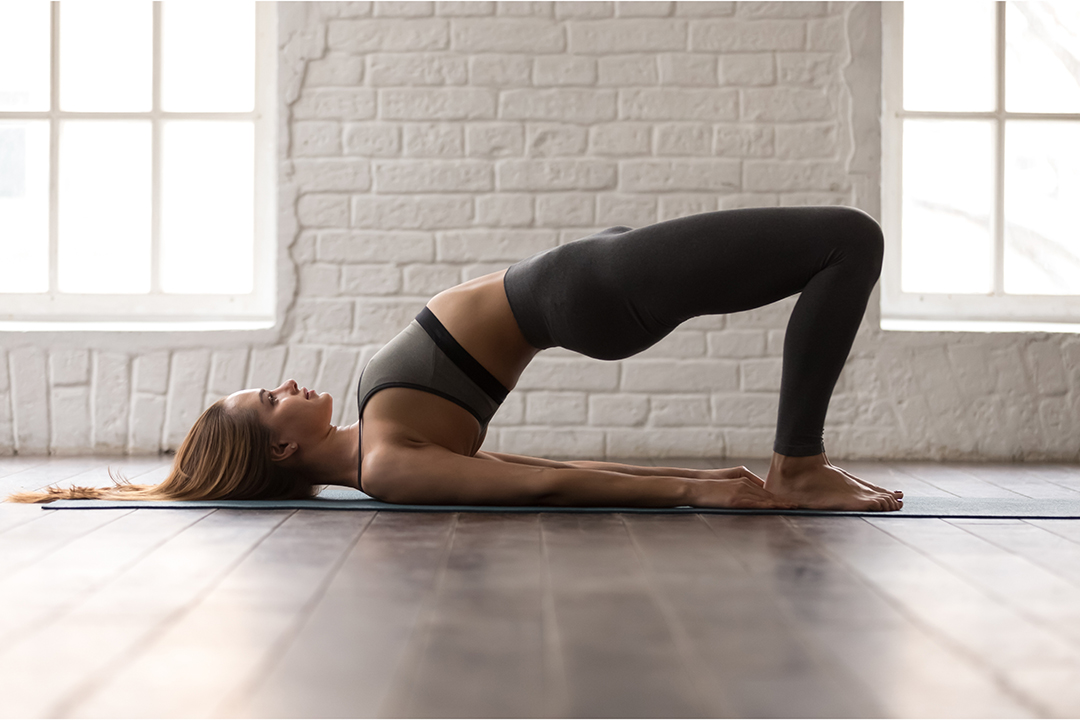
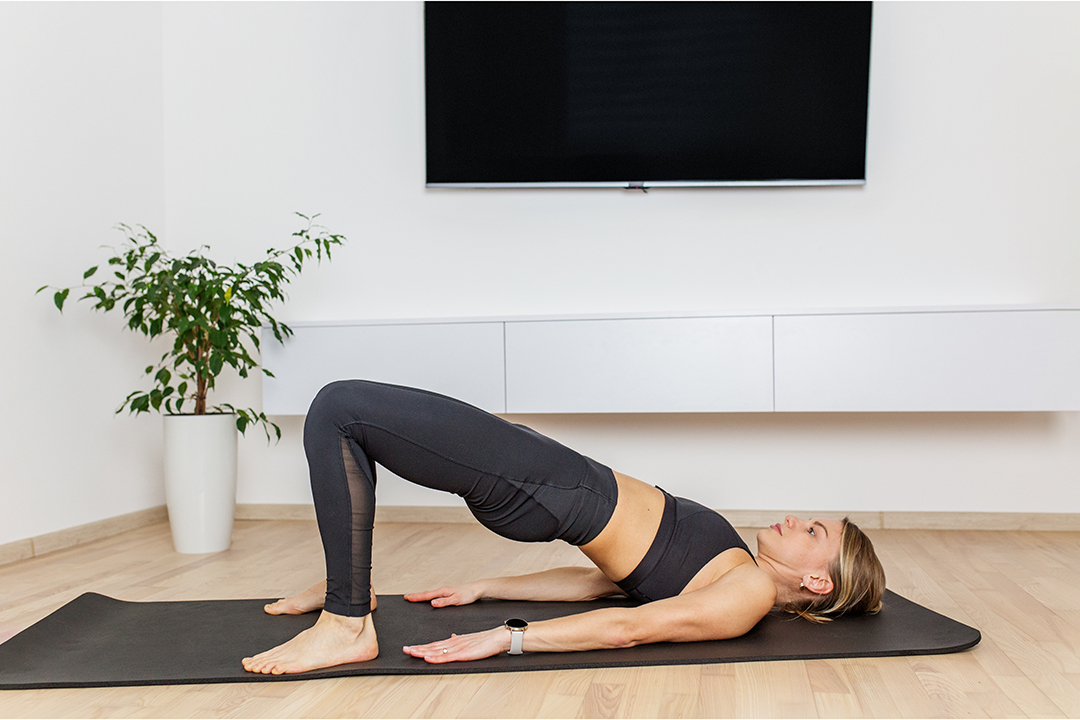
10 to 15 Glute Bridges
Lie on your back with your knees bent, press through your feet and lift your hips. Glute bridges activate muscles that support your pelvis and lower back while gently moving the hip area.
8 to 12 Incline Push-Ups
Use a wall, countertop or bench and choose a height that allows you to move with control.
10 to 12 Romanian Deadlifts
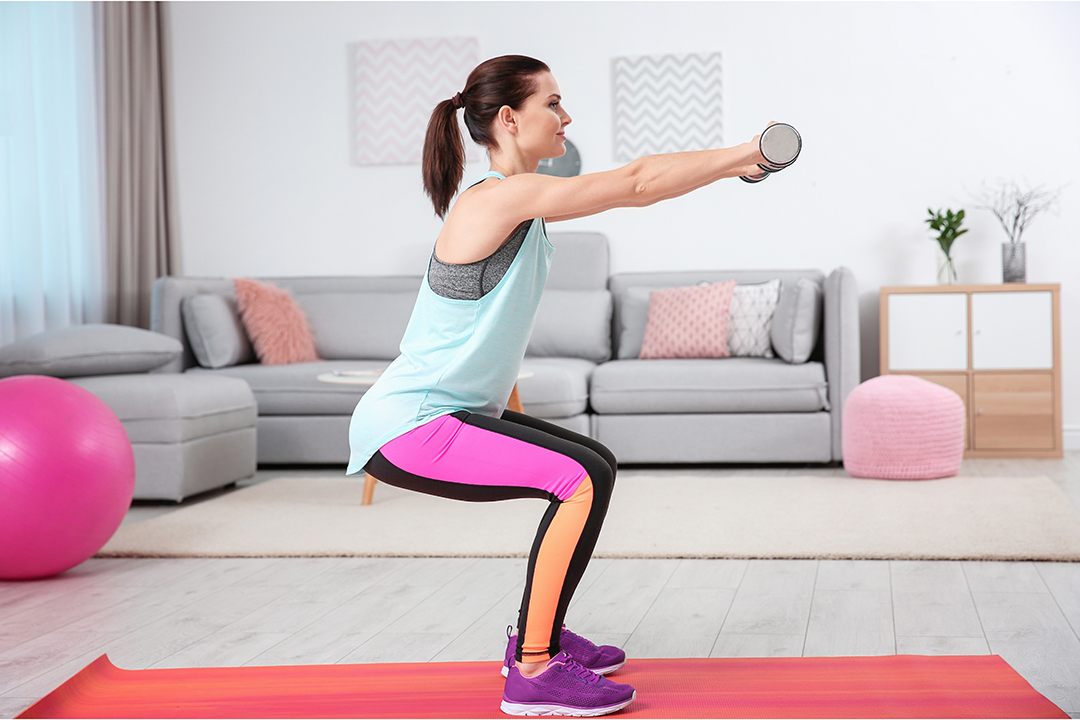
Using comfortable dumbbells, hinge from your hips while maintaining a long spine and soft knees. Focus on your hamstrings and glutes rather than pulling through your lower back.
Move steadily, breathe throughout each exercise and rest between movements whenever you need it.
By the end, your muscles should feel awake rather than depleted, your body should feel warmer and stronger, and your energy should feel lifted.
Finish feeling accomplished, energized and reminded of just how strong your body really is! YOU HAVE THE POWER!
3- YOGA: CALM THE BODY WHILE YOU MOVE IT
PMS is not exclusively physical.
For many women, the emotional shift can be just as noticeable as the bloating or cramping. You can feel restless, unusually sensitive, irritable or overwhelmed by things that normally feel manageable.
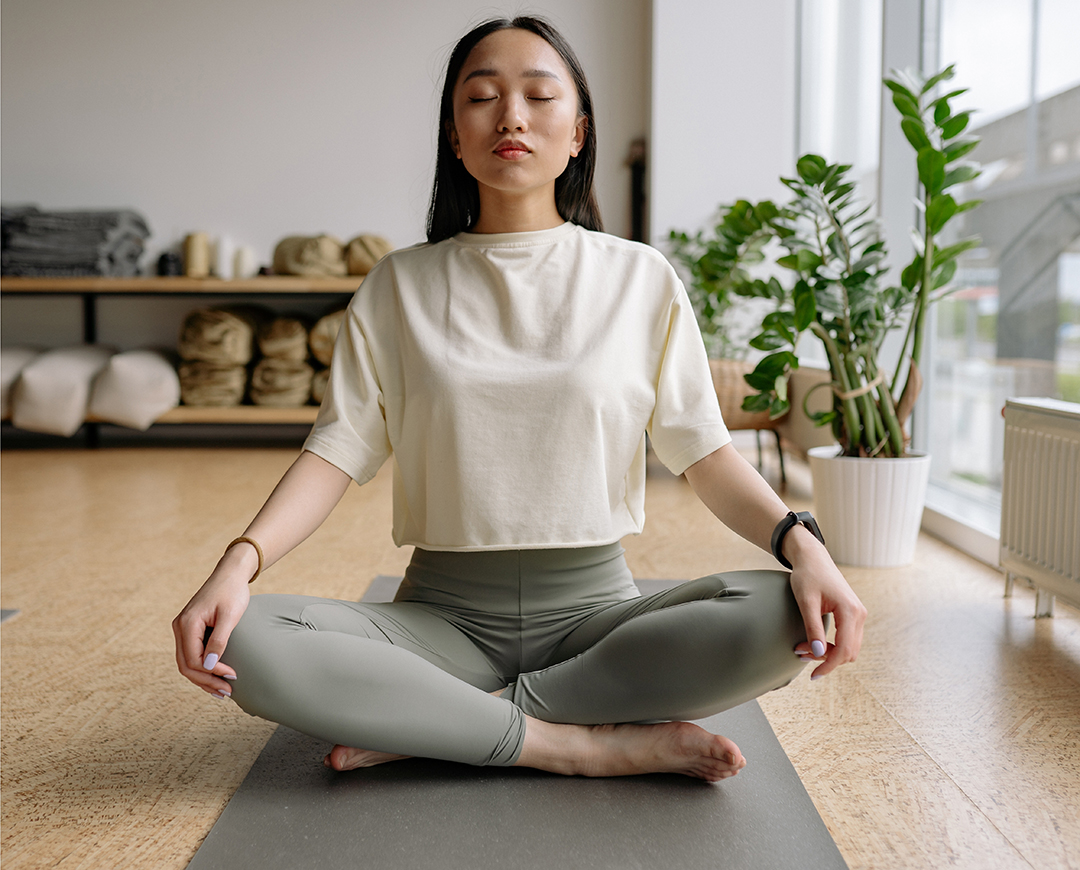
This is where yoga becomes such a beautiful tool because it combines movement, stretching and controlled breathing in one practice.
Women with PMS have found that yoga and other mind-body exercise can help with pain, fatigue, tension and emotional symptoms.
Controlled breathing is a particularly important part of the experience. Slowing and deepening the breath encourages the body to move away from a heightened stress response and into a calmer state. Your shoulders begin to release, your jaw relaxes, your breathing becomes more controlled and muscles you may not even realize you have been holding tense can begin to soften.
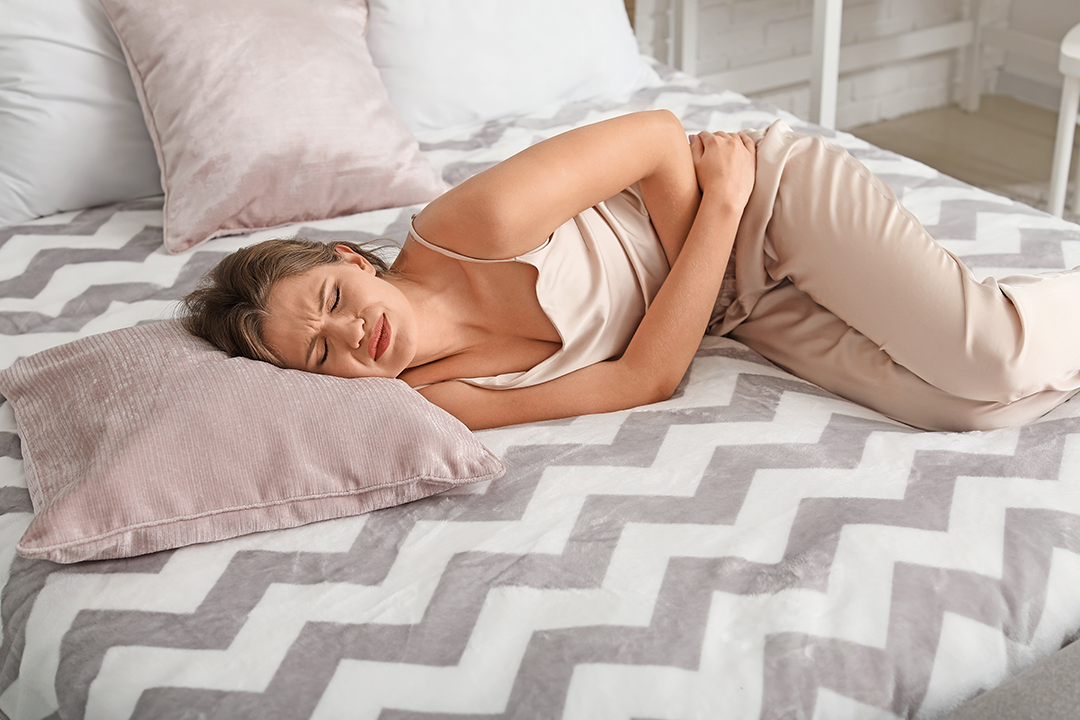
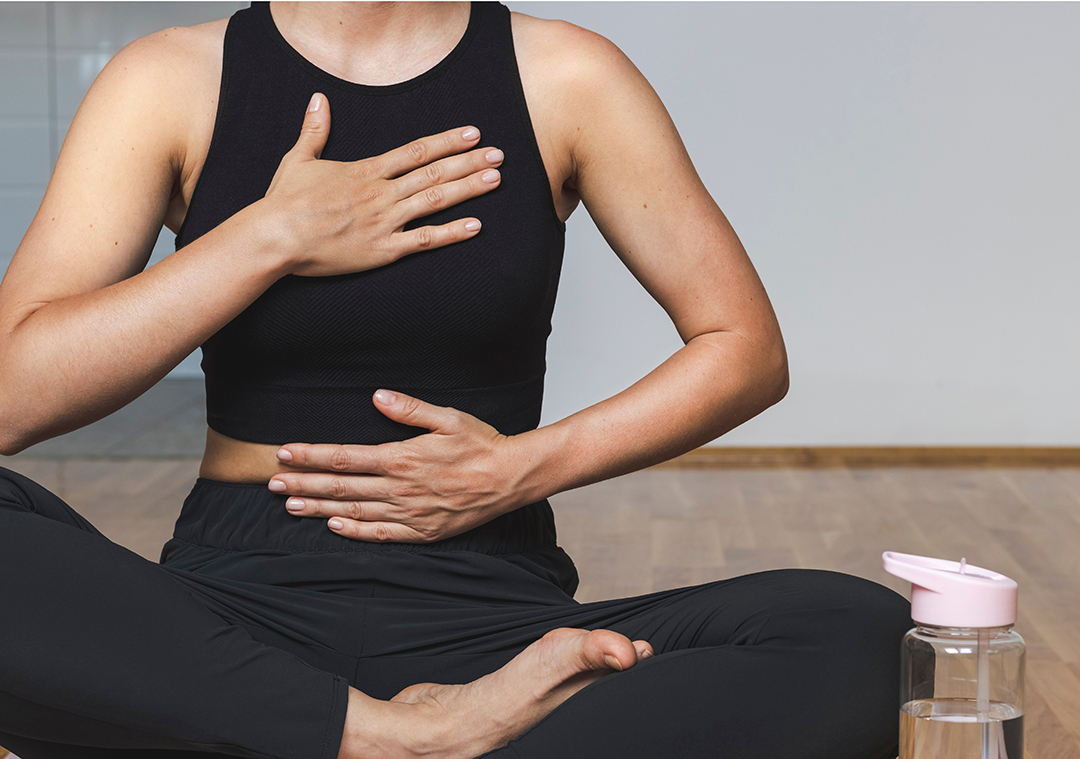
Deep diaphragmatic breathing also creates gentle movement through the abdomen and rib cage with every breath, while yoga positions move the hips, spine and pelvis through ranges of motion that can help release the tension associated with cramping and lower-back discomfort.
When pain or discomfort occurs, the body often braces around it. The hips tighten, the lower back stiffens and the abdominal area becomes guarded. Yoga gives you a way to gently interrupt that pattern through movement and breath.
How Yoga Helps During PMS
- For bloating: Gentle movement through the torso, hips and pelvis supports digestive movement, while diaphragmatic breathing creates natural movement through the abdominal area.
- For mood: Slow breathing and mindful movement help calm the stress response, reduce physical tension and bring your attention back into the present moment.
- For cramps: Yoga gently mobilizes and stretches the hips, pelvis and lower back, helping release areas that can tighten in response to menstrual discomfort.
- For fatigue: Yoga keeps you moving without demanding maximum physical output, making it an excellent choice on days when your energy feels lower.
Try This Simple Flow
Child’s Pose
Sit your hips gently back toward your heels, extend your arms forward and breathe deeply into your back and rib cage.
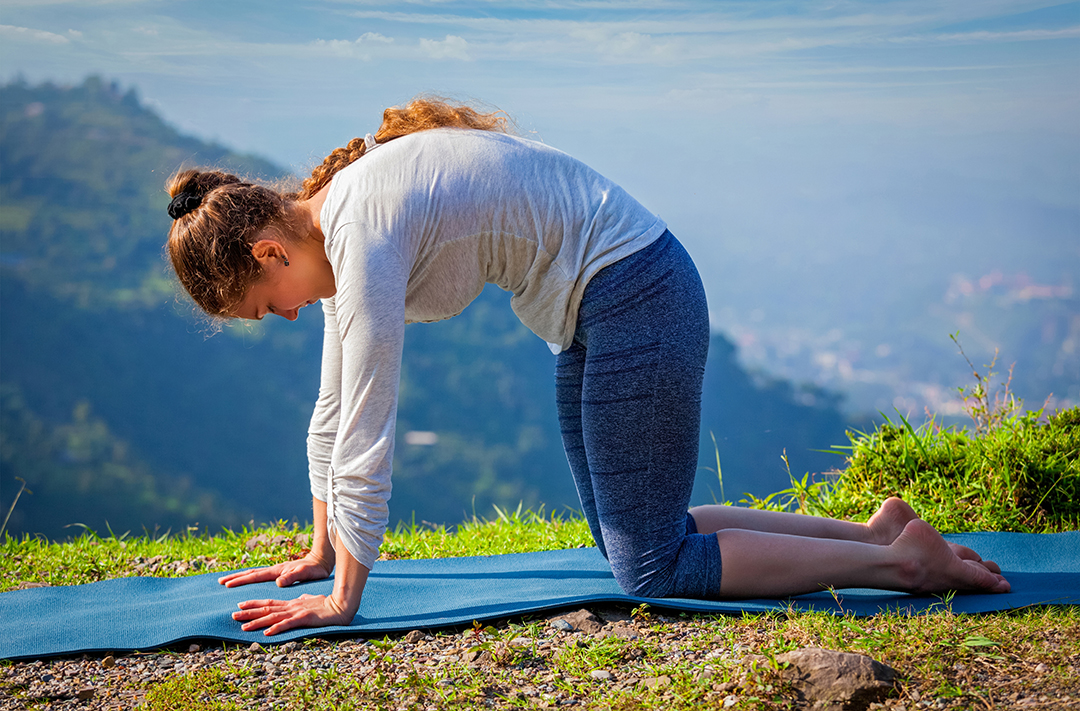
Cat-Cow
From your hands and knees, slowly alternate between rounding and extending your spine, creating gentle mobility through your back, abdomen and pelvis.
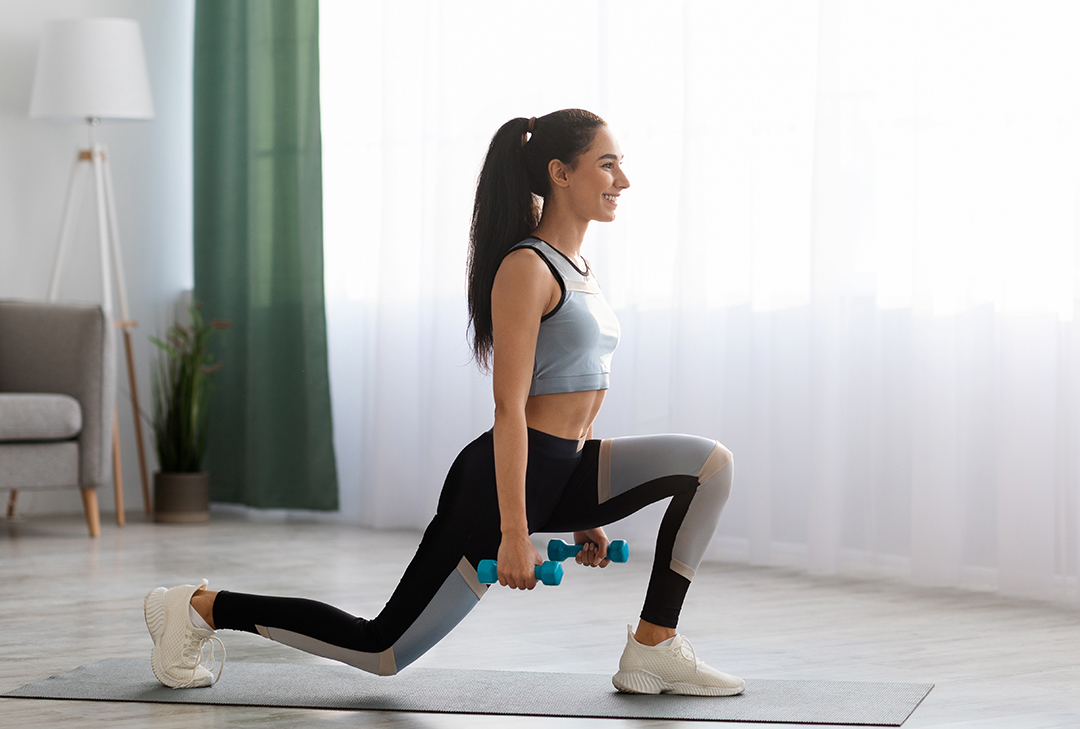
Low Lunge
Step one foot forward and gently allow your hips to open while maintaining a comfortable stretch.
Reclined Figure Four
Lie on your back and cross one ankle over the opposite thigh to release tension through your glutes and outer hip.
Supine Twist
Lie on your back and gently allow your knees to move toward one side while keeping your shoulders relaxed.
Spend several slow breaths in each position and allow the stretch to deepen naturally as your muscles release. Nothing should be forced and nothing should hurt.
When you finish, your breathing should feel slower, your muscles should feel less guarded and your mind should feel quieter.
Walk away feeling calmer, more open and beautifully reconnected with your body! YOU HAVE THE POWER!
4- STRETCHING AND MOBILITY: RELEASE THE AREAS THAT HOLD THE TENSION
When cramps arrive, you do not necessarily feel them in only one place.
Your lower abdomen can ache while your lower back feels tight, your hips feel stiff and even your upper legs can become uncomfortable.
That is exactly why stretching and mobility work deserve a place in your PMS movement plan.
When we experience discomfort, the body instinctively protects itself. Muscles tighten around the area, our range of motion becomes smaller and we can unconsciously spend more time sitting still or curling forward.
Stretching and mobility interrupt that pattern.
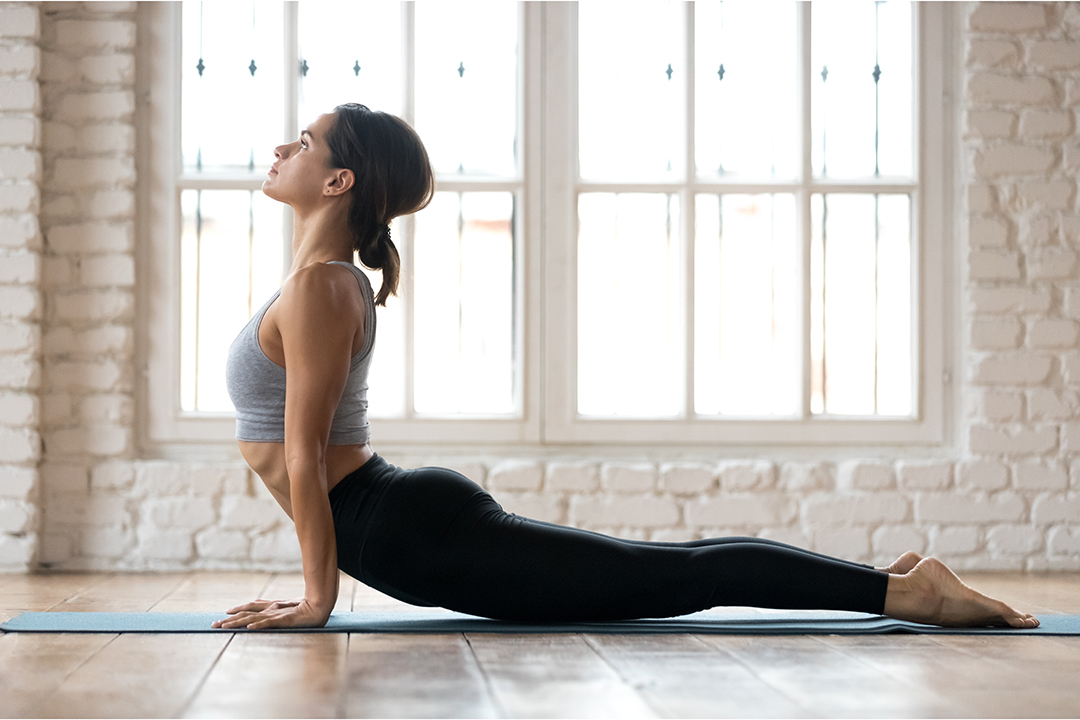
Gentle mobility encourages the pelvis and spine to move again, releases tension through the hips and lower back and increases circulation through areas that have become stiff. Pair those movements with slow breathing and you are addressing both the physical tension and the stress response that can make discomfort feel even more consuming.
How Stretching and Mobility Help During PMS
For bloating: Opening the hips and torso and changing body positions can decrease that compressed, heavy sensation while keeping your body moving instead of becoming increasingly stiff.
For mood: Slow stretching paired with deeper breathing can reduce physical tension and create a greater sense of calm.
For cramps: Gentle stretching releases tension through the pelvis, hips, lower back and surrounding muscles while restoring movement to areas that can become guarded.
For overall discomfort: Even a short mobility session can change the way your entire body feels and make subsequent movement much more comfortable.
Try These
Pelvic Tilts
Lie on your back with your knees bent. Gently tilt your pelvis so your lower back moves slightly toward the floor, then release.
Knee-to-Chest Stretch
Bring one knee gently toward your chest while keeping the opposite leg relaxed, then switch sides.
Hip Flexor Stretch
From a comfortable split stance or kneeling position, gently shift forward until you feel the front of the hip lengthen.
Figure-Four Stretch
Cross one ankle over the opposite thigh and gently draw your legs toward you.
Gentle Spinal Rotation
Move slowly through a comfortable rotational range without forcing the stretch.
Think about releasing rather than reaching for the deepest possible stretch. Your job is to restore comfortable movement to your body.
By the time you finish, your hips and lower back should feel looser, your movements should feel easier and your entire body should feel less tense.
Stand up taller, breathe a little deeper and enjoy that wonderful feeling of having created space in your body again! YOU HAVE THE POWER!
5- CORE MOVEMENT: SUPPORT THE CENTER OF YOUR BODY
When your abdomen feels bloated or crampy, traditional abdominal exercises may be the last thing that appeals to you.
They are not necessary.
Core training during PMS can be gentle, controlled and extremely purposeful.
Your core includes much more than the muscles at the front of your abdomen. It is an integrated support system involving the abdominal muscles, back, diaphragm, pelvic floor and muscles surrounding the pelvis.
Gentle core exercises improve stability around the pelvis and lower back without requiring aggressive abdominal compression. They also encourage controlled breathing, helping prevent the breath-holding and additional muscular tension that can make an already uncomfortable area feel even tighter.
How Gentle Core Training Helps During PMS
For bloating: Controlled core movements activate the trunk without the aggressive compression that can feel uncomfortable when the abdomen is bloated.
For mood: Slow, deliberate movement requires focus and breath control, helping redirect your attention and calm the physical stress response.
For cramps and lower-back discomfort: A coordinated core supports the pelvis and lower back while gentle movement helps reduce stiffness around those areas.
Try These
Dead Bugs
Lie on your back with your knees above your hips. Slowly extend the opposite arm and leg while keeping your trunk controlled.
Bird Dogs
From your hands and knees, extend the opposite arm and leg while maintaining a stable torso.
Glute Bridges
Your glutes and core work together to stabilize the pelvis, making this one of my favorite exercises to include here.
Standing Marches
Stand tall and slowly bring one knee upward at a time while keeping your posture strong and your trunk controlled.
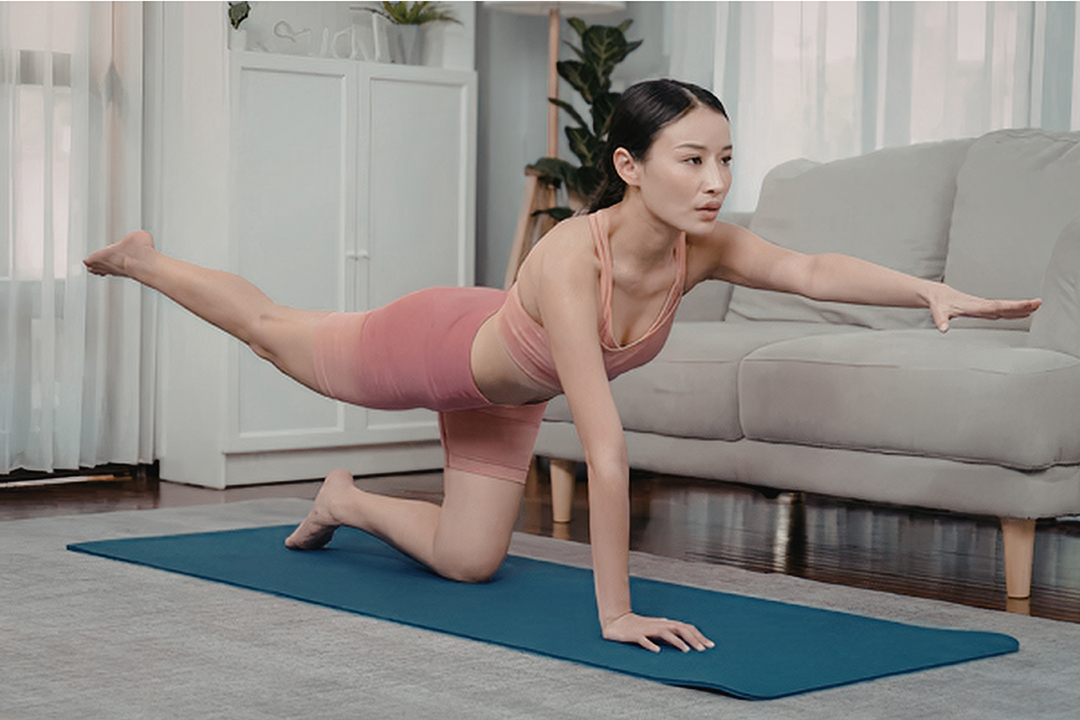
Keep each movement slow, smooth and connected to your breathing.
When you finish, your center should feel supported and activated without feeling overworked, and your lower back and pelvis should feel more stable.
You should leave the session feeling stronger through your center, more comfortable in your movement and energized by what your body just accomplished! YOU HAVE THE POWER!
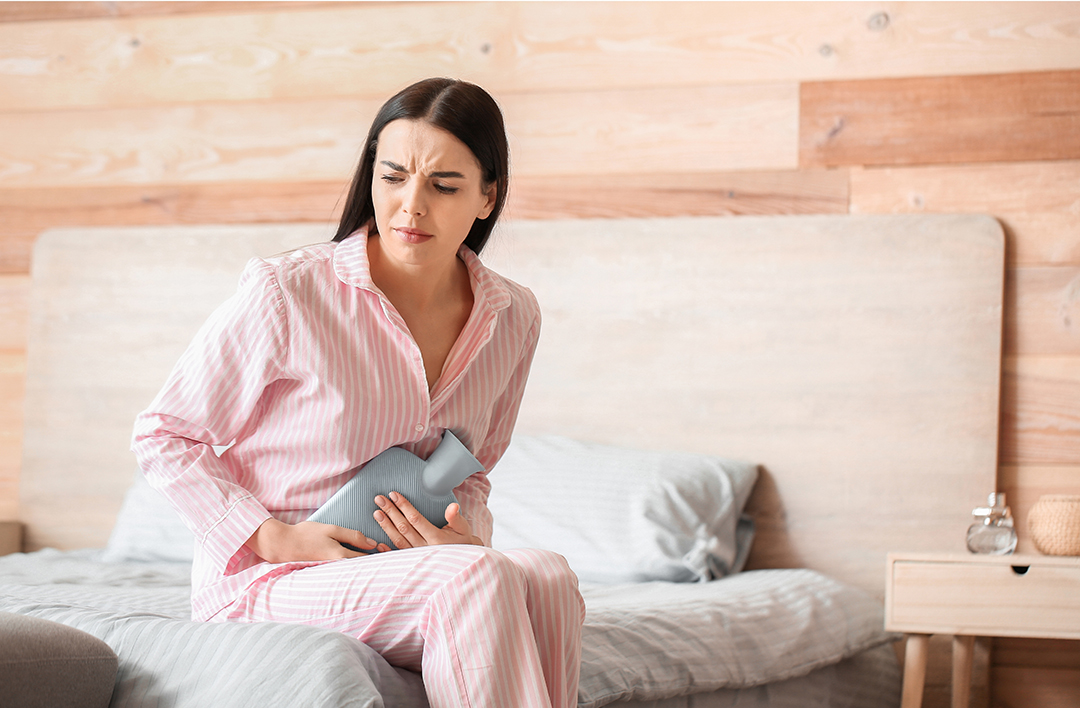
THE 20-MINUTE PMS FEEL-BETTER WORKOUT
There will be days when you know movement will help, but planning a workout feels like one more thing you do not want to think about.
On those days, use this.
This 20-minute workout brings together circulation, muscular activation, mobility and relaxation so you can address several PMS symptoms in one simple session.
Minutes 1–5: Walk and Warm the Body
Begin walking at a comfortable pace and gradually increase your speed.
Allow your arms to swing naturally and your breathing to deepen. These first five minutes get your blood circulating, warm your muscles and move your body out of stillness.
Minutes 6–10: Activate Your Muscles
Complete:
- 10 bodyweight squats
- 10 wall or incline push-ups
- 10 glute bridges
- 10 alternating reverse lunges or supported split squats
- 10 standing or dumbbell rows
Move slowly and with control. You are activating several of the largest muscle groups in your body without turning the session into an exhausting workout.
Minutes 11–15: Release Tension
Move comfortably through:
Cat-cow
Child’s pose
Hip flexor stretch
Figure-four stretch
Gentle spinal rotation
Allow your breathing to slow as you focus on releasing your hips, back and pelvis.
Minutes 16–20: Walk and Reset
Return to an easy walk and allow your heart rate to gradually settle while you continue moving and breathing.
At the end of those twenty minutes, notice what has changed. Notice your abdomen, your back, your energy, your breathing and your mood.
You have increased circulation, activated your muscles, loosened tight areas and given your mind and body twenty intentional minutes of care.
Finish feeling lighter, stronger, more positive and energized because you took control of how you wanted to feel today! YOU HAVE THE POWER!
YOUR BODY DOESN’T NEED THE SAME WORKOUT EVERY DAY
One of the greatest lessons exercise can teach a woman is that consistency and intensity are not the same thing.
You can be incredibly consistent without training at maximum intensity every day. In fact, learning when to challenge yourself and when to adjust is one of the hallmarks of becoming an experienced exerciser.
On days when your energy is high and your body feels strong, lift your weights, take your run, do your class and enjoy everything your body can do.
On days when PMS leaves you feeling more tired, bloated, crampy or emotionally drained, change the intensity without abandoning the movement. Walk instead of run. Use slightly lighter weights. Take longer rest periods. Replace a higher-intensity session with yoga or mobility. Give yourself twenty productive minutes rather than forcing yourself through a workout that does not match what your body needs that day.
You are still showing up.
That is what consistency actually looks like.
The goal is a strong, healthy body that remains active for decades, but the goal during every individual workout is also beautifully simple: use movement in a way that supports your body, helps ease the PMS symptoms you are experiencing and allows you to finish feeling better than when you began.
That is not doing less.
That is learning how to exercise with intention….because YOU HAVE THE POWER!
EXERCISE THROUGH YOUR ENTIRE CYCLE, THEN ADJUST THE DIAL
Do not wait until PMS begins before movement becomes part of the solution.
The benefits of exercise build through consistency. A regular routine of strength training, walking, cardiovascular exercise, mobility and recovery creates a foundation that supports your body long before those premenstrual days arrive.
Your normal week can include strength training two to four days, walking regularly, cardiovascular exercise such as running, cycling or swimming based on your fitness level, and mobility or stretching throughout the week.

Then, as your body changes throughout your cycle, adjust the dial.
When your body feels energetic and powerful, challenge it. When your energy changes or PMS symptoms appear, choose the intensity and type of movement that will best support how you feel that day.
Exercise does not have to be completely on or completely off.
There is an enormous range in between, and knowing how to use that range gives you something incredibly valuable: the ability to continue moving while respecting exactly what your body needs.
LEARN YOUR OWN PATTERN AND MOVE WITH INTENTION
One of the strongest things a woman can do is learn her body well enough to move with intention and awareness instead of simply following the same workout regardless of how she feels.
Pay attention over two or three menstrual cycles.
Notice when your energy changes, when bloating tends to appear, when cravings increase, when cramps usually begin and which workouts make you feel best during each stage. Notice your sleep, your mood, your digestion and how your body responds to different kinds of movement.
Patterns begin to emerge.
You might realize that a certain day of your cycle is usually when your energy dips. Instead of becoming frustrated when it happens again, you already know what your body is telling you and how you want to respond.
Maybe that becomes your walking and mobility day. Maybe you continue strength training but slightly adjust your intensity. Maybe yoga is exactly what your body needs.
The important part is that the decision is intentional.
You are no longer exercising simply because a workout was written on a schedule. You are choosing the movement that best supports the body standing in front of you today.
And each time you finish a workout feeling better than when you began, you reinforce something incredibly important: you are learning how to care for your body, not simply how to exercise it.
MOVE YOUR WAY BACK TO YOU
Women spend so many years being encouraged to fight their bodies.
Fight the scale. Fight the belly. Fight aging. Fight hormones. Fight the period.
I would much rather see women take a completely different approach: understand your body so deeply that you know how to support it through its changes.
Your body is constantly communicating with you. The more closely you listen, the better equipped you become to respond.
PMS does not have to mean several days each month when you simply surrender to feeling bloated, uncomfortable, exhausted or emotionally off balance.
Movement gives you something active you can do.
It allows you to participate in how you feel.
So instead of asking yourself how hard you can force yourself to work when PMS arrives, ask yourself a much more meaningful question:
“What movement does my body need today so I can finish feeling better than I do right now?”
Then listen to the answer.
Every cycle will not feel exactly the same, and every woman will not need exactly the same workout. That is precisely why learning your own body matters so much.
Move with awareness. Move with intention. Let movement become something you use to care for yourself rather than something you simply check off a list.
You do not have to sit on the sidelines of your own body waiting for these days to pass.
You can step into them knowing exactly how to support yourself, move through them and come out the other side feeling stronger, clearer and more like you!
About the Author
Linzi Martinez, CPT, INHC, BA, is an award-winning television host, actor and producer, celebrity personal trainer, Integrative Nutritional Health Coach, published author and founder of LM Elite Physique, her global concierge fitness and nutrition program.
For more than two decades, Linzi has devoted her career to helping women transform their health by understanding their bodies rather than fighting them. Her work focuses on strength and lean muscle, metabolism, insulin sensitivity, body composition, nutrition, hormones and sustainable lifestyle change, with a particular passion for helping women navigate the physiological changes that occur after 40.
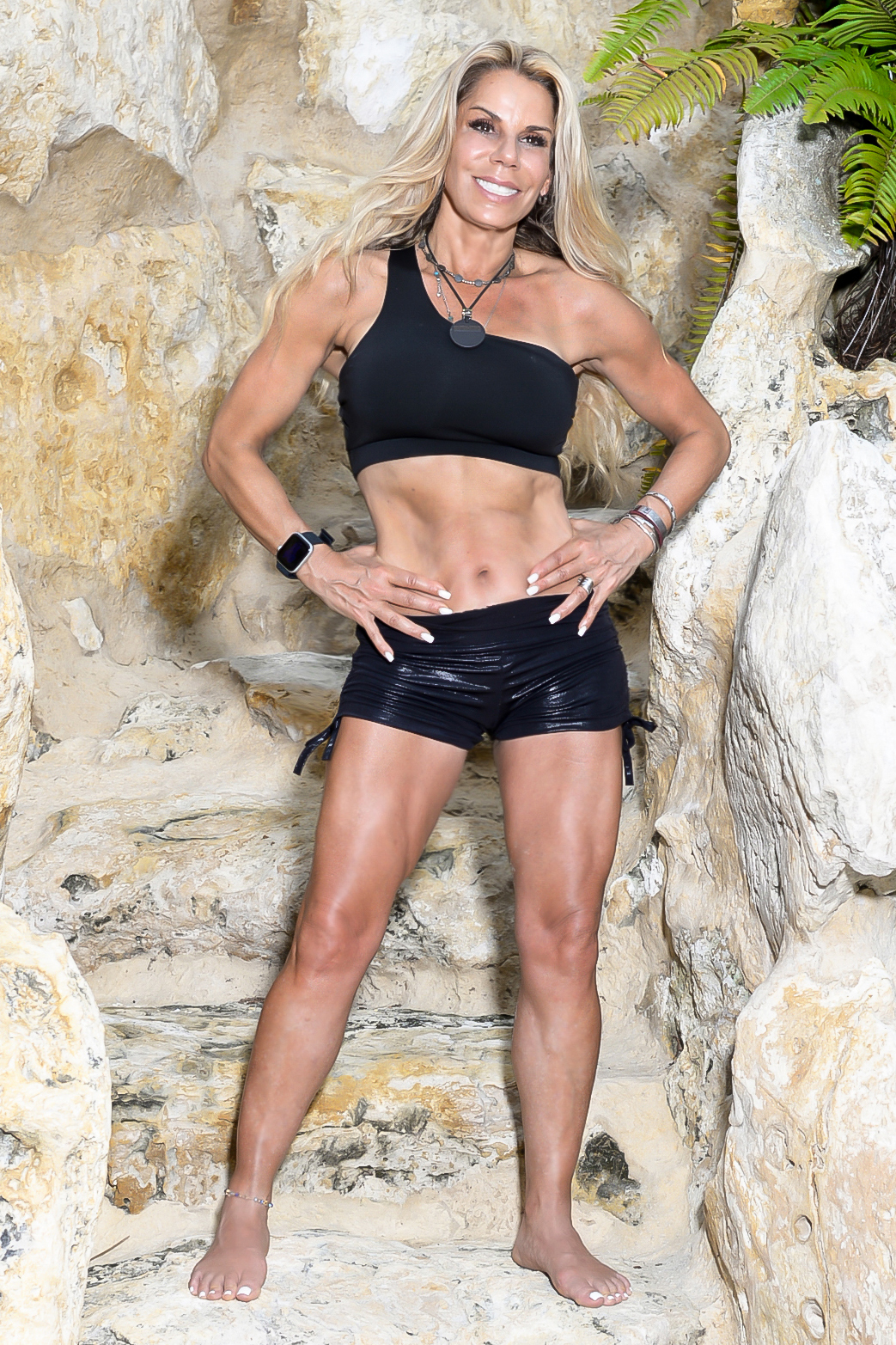
Linzi is the co-host and co-producer of the national health and wellness television series Oasis: The Palm Beaches, with Season One airing nationally on the Travel Channel and Season Two coming in 2027. Her television work has also appeared across ESPN, NBC, CBS, ABC, FOX, Discovery Channel and Apple TV.
She is the award-winning author of Recipes for Instant Weight Loss: Healthy Alternatives to Your Favorite Foods, and her health, fitness and wellness expertise has been featured in WomenFitness International Magazine, Muscle & Fitness, LifeStyle Magazine and Miami Voyager Magazine.
At the heart of everything Linzi teaches is one belief: lasting transformation begins when women understand what their bodies need, build strength from the inside out and create a way of living that supports their health for life.
Disclaimer
The Content is not intended to be a substitute for professional medical advice, diagnosis, or treatment. Always seek the advice of your physician or other qualified health provider with any questions you may have regarding a medical condition.
