What medications have been used during pregnancy for this condition?
No medications to control this condition have been approved by the FDA for use during pregnancy. However, some antiemetics commonly prescribed to address the symptoms of NVP are:
- Compazine
- Phenergan
- Metoclopramide
- Tigan
- Dramamine
Indigestion
Indigestion occurs when food and acids in your stomach back up into your esophagus, the tube leading from your mouth to your stomach. This often occurs during pregnancy because an increased level of the hormone progesterone relaxes the muscles that usually prevent this backup. Your enlarging abdomen can also cause indigestion by pressing on your stomach and esophagus. Signs of indigestion include heartburn; a feeling of discomfort, fullness, or burning in your upper abdomen; or nausea.
WHY ALL THE PROBLEMS?
It’s easy to see. As the baby grows, it exerts increasing pressure on virtually all your internal organs. Upward pressure on the stomach can lead to heartburn; downward pressure on the bladder can keep you heading for the bathroom. Hemorrhoids develop as the uterus presses on the rectum. And all the extra bulk up front means backaches for many women nearing term.
To avoid indigestion, you should eat several small meals during the day instead of three large ones. Avoid foods that cause gas or irritate your stomach; including spicy fruits. Wait an hour after eating before you lie down and 2 hours before you exercise.
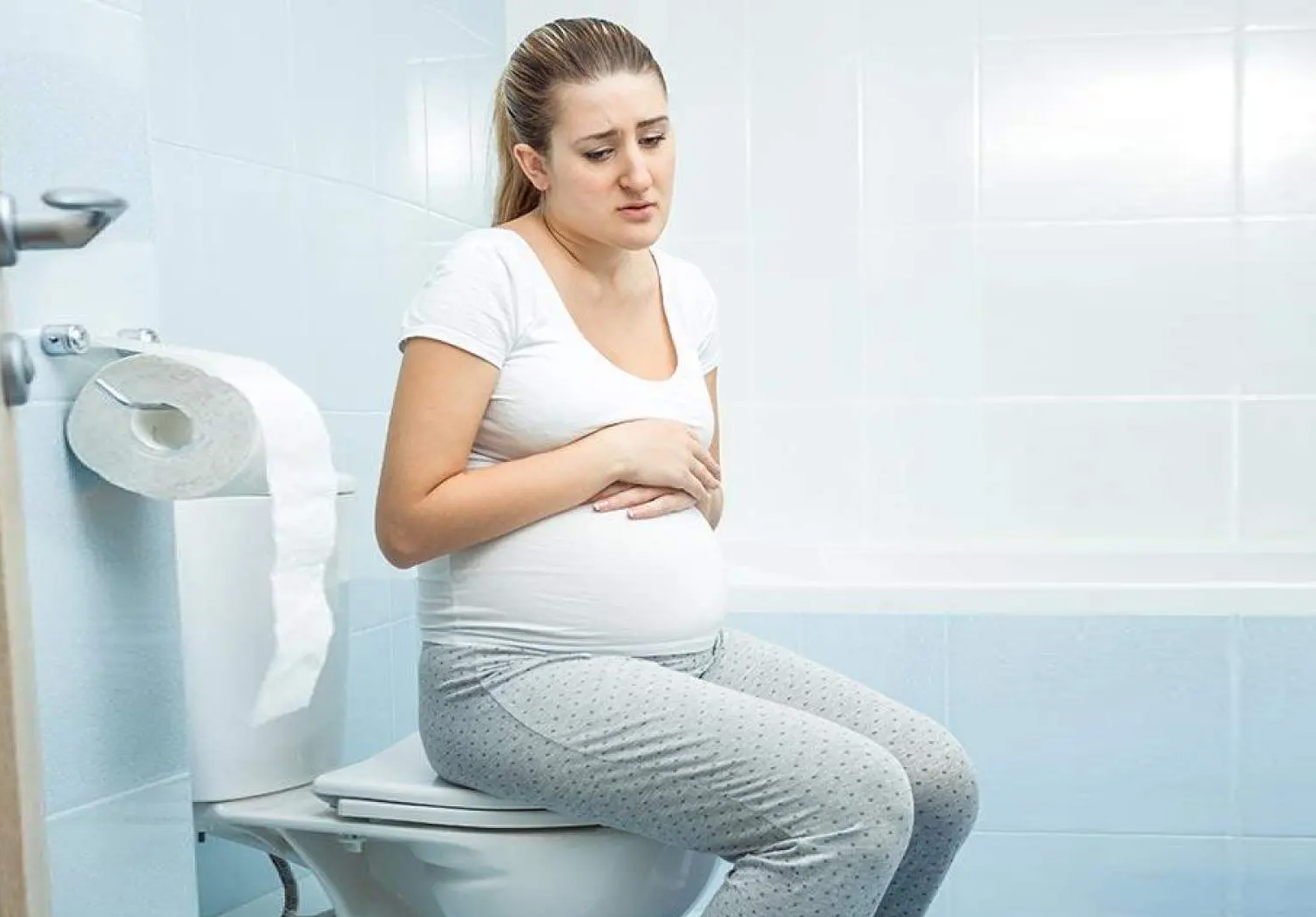
Constipation and Hemorrhoids
About half of all pregnant women have some degree of constipation. Hormones released during pregnancy slow the movement of food through the digestive tract. Constipation is often most severe during the last trimester, when your enlarged uterus puts pressure on your rectum, making it difficult to pass stool. The best way to avoid constipation is to
- Eat a high-fiber diet and – aim to eat a bowl of high- fiber cereal for breakfast and lots of fruits and vegetables throughout the day
- Drink plenty of liquids. Drink at least eight glasses (8 ounces each) of water each day.
- If you have severe constipation, talk to your doctor about using a natural fiber fixative.
Constipation can put increased pressure on veins in the rectum, causing hemorrhoids.
Hemorrhoids are swollen veins in the rectum that may protrude and bleed. Eating plenty of fiber and drinking fluids may help relieve hemorrhoids as well as constipation. Do not take over- the- counter hemorrhoid medications without consulting your doctor.
Pica
Pica is a rare craving to eat substances other than food, such as dirt, clay, or coal. The craving may indicate a nutritional deficiency.
Heartburn
It is a common digestive problem. It occurs as the uterus pushes on the stomach, forcing acid up into the esophagus. Again, eating smaller, more frequent meals rather than three larger meals can help. Avoid bending over or lying flat. Antacids may relieve discomfort.
Disclaimer
The Content is not intended to be a substitute for professional medical advice, diagnosis, or treatment. Always seek the advice of your physician or other qualified health provider with any questions you may have regarding a medical condition.