
Stroke attack, is a lack of blood flow to the brain. Lack of oxygen and nutrients to a small or large portion of the brain can result in tissue injury or death.
Stroke symptoms usually come suddenly, within minutes to an hour. They may come and go, go away entirely, or get progressively worse over several hours. If the symptoms go away completely in a short time (fewer than 24 hours), the episode is called a transient ischemic attack (TIA).
Stroke Symptoms

Symptoms of a stroke can include:
- A numb or weak feeling in the face, arm or leg
- Trouble speaking or understanding.
- Sudden Hiccups
- Chest pain
- Sudden Palpitation
- Unexplained dizziness
- Blurred or poor vision in one or both eyes
- Loss of balance or an unexplained fall
- Difficulty swallowing
- Headache (usually severe or of abrupt onset) or unexplained change in the pattern of headaches
- Confusion
A stroke is a medical emergency: According to the American Stroke Association, brain cells begin to die within 4 minutes from the onset.
If you think someone may be having a stroke, act F.A.S.T. and do this simple test:FACE: Ask the person to smile. Does one side of the face droop?ARMS: Ask the person to raise both arms. Does one arm drift downward?
SPEECH: Ask the person to repeat a simple phrase. Is their speech slurred or strange?
TIME: If you observe any of these signs, call 9-1-1 immediately
Exercise Instructions for Stroke Patients
Studies have constantly updated us that, exercise lowers blood pressure, reduces the risk of insulin resistance and dangerous blood clots, aids weight loss and improves mental health, in addition to reducing the risk of stroke.
- Start slow and monitor yourself signs of stress, such as shortness of breath, chest pain, light-headedness and palpitations.
- Stop exercising immediately if any of the above symptoms appear.
- Any form of cardiovascular exercise most days of the week significantly lowers the risk of strokes. You can opt for “Light-moderate” exercise in the form of walking, calisthenics, dancing, golf, bowling, horseback riding, and gardening. “Heavy” exercise included hiking, tennis, swimming, bicycle riding, jogging, aerobic dancing, handball, racquetball and squash. Both higher intensity exercise and longer periods of any exercise translated to a lower stroke risk. Light activity reduced risk by 61%, and moderate-to-heavy exercise reduced risk by 77%. Less than 2 hours of exercise per week was associated with a 58% risk reduction, while exercising for more than 5 hours per week was associated with a 69% risk reduction.
- Strength training should be part of a heart patient’s regime. Try gradually shifting from light to moderate weights to strengthen all major muscle groups and doing one set of 15 repetitions per exercise. Heavy loads, can place undue stress on the heart, so use light loads that permit a lot of repetitions (ideally do 10 to 15) per set. Strength training should work all the major muscle groups in your body. Single-set programs done two to three times a week are recommended over multiple-set programs because they are highly effective and less time-consuming.
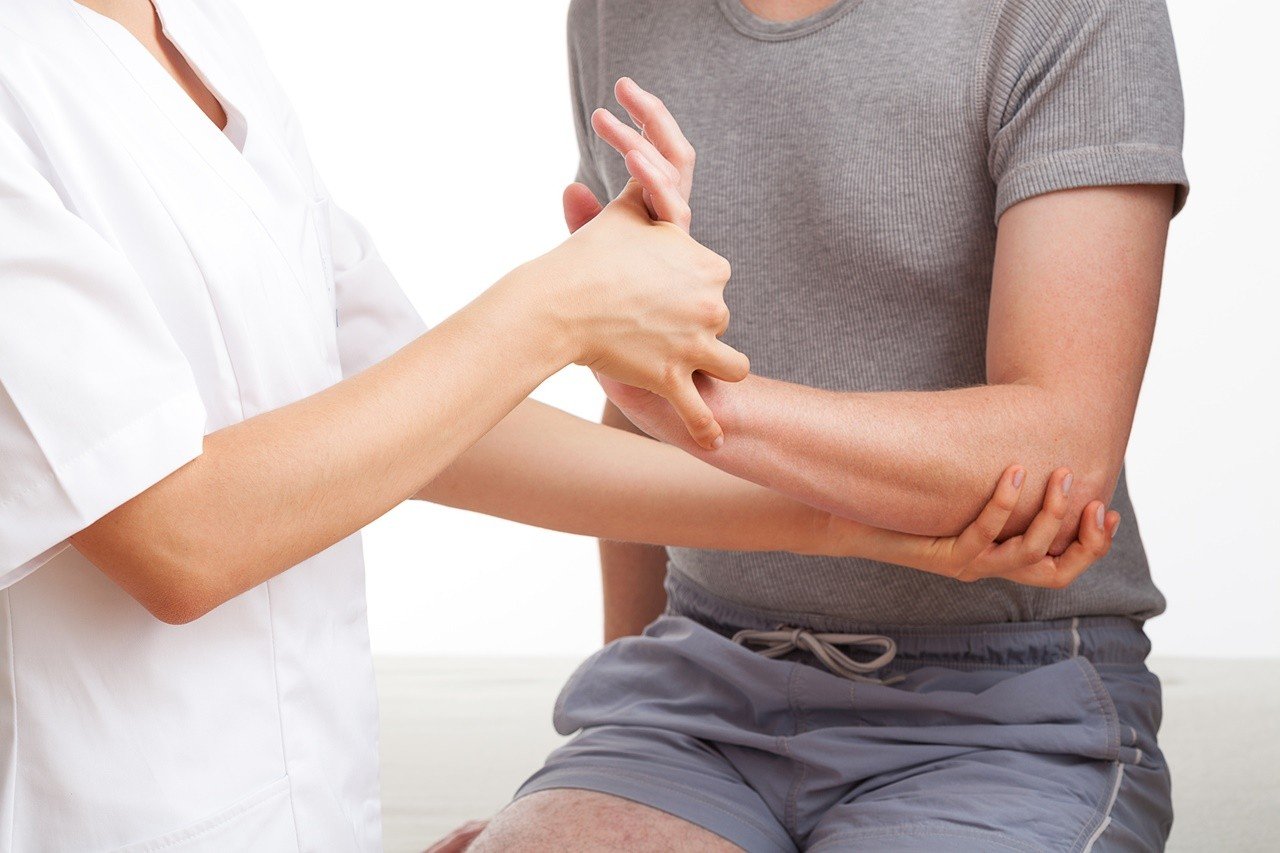
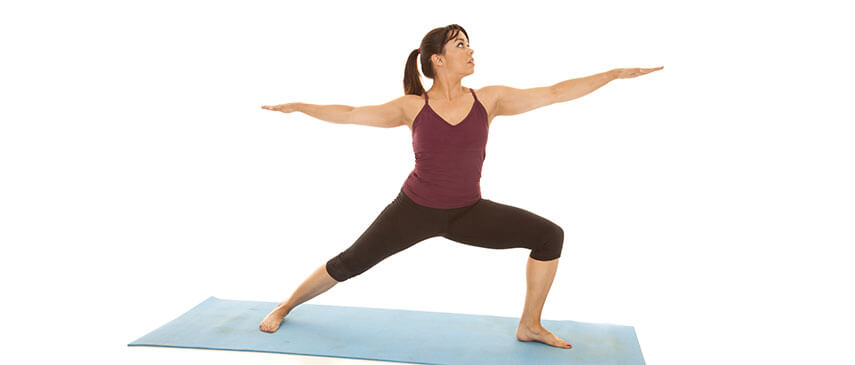
- Practice postural balancing: Learning how to find and maintain your balance after a stroke is a challenge. Tai Chi is effective in improving both static and dynamic balance, which is important to prevent falls. Tai Chi emphasizes balance, core strength and integration of mind and body in movement. The main benefit of Tai Chi for the stroke patient is the integration of mind and body through meditation in motion to improve motor control.
- Stay hydrated: It is important to drink water even before you feel thirsty, especially on hot days.
- Don’t exercise outdoors when it is too cold, hot, or humid. High humidity may cause you to tire more quickly; extreme temperatures can interfere with circulation, make breathing difficult, and cause chest pain. Better choices are indoor activities such as mall walking.
- Never exercise to the point of chest pain or angina. If you develop chest pain during exercise, stop immediately and contact your doctor.
Sticking with a workout routine is key to preventing Stroke attack.
Note: Consult your doctors regarding exercise intensity and duration before starting out with exercise routine.
Disclaimer
The Content is not intended to be a substitute for professional medical advice, diagnosis, or treatment. Always seek the advice of your physician or other qualified health provider with any questions you may have regarding a medical condition.
