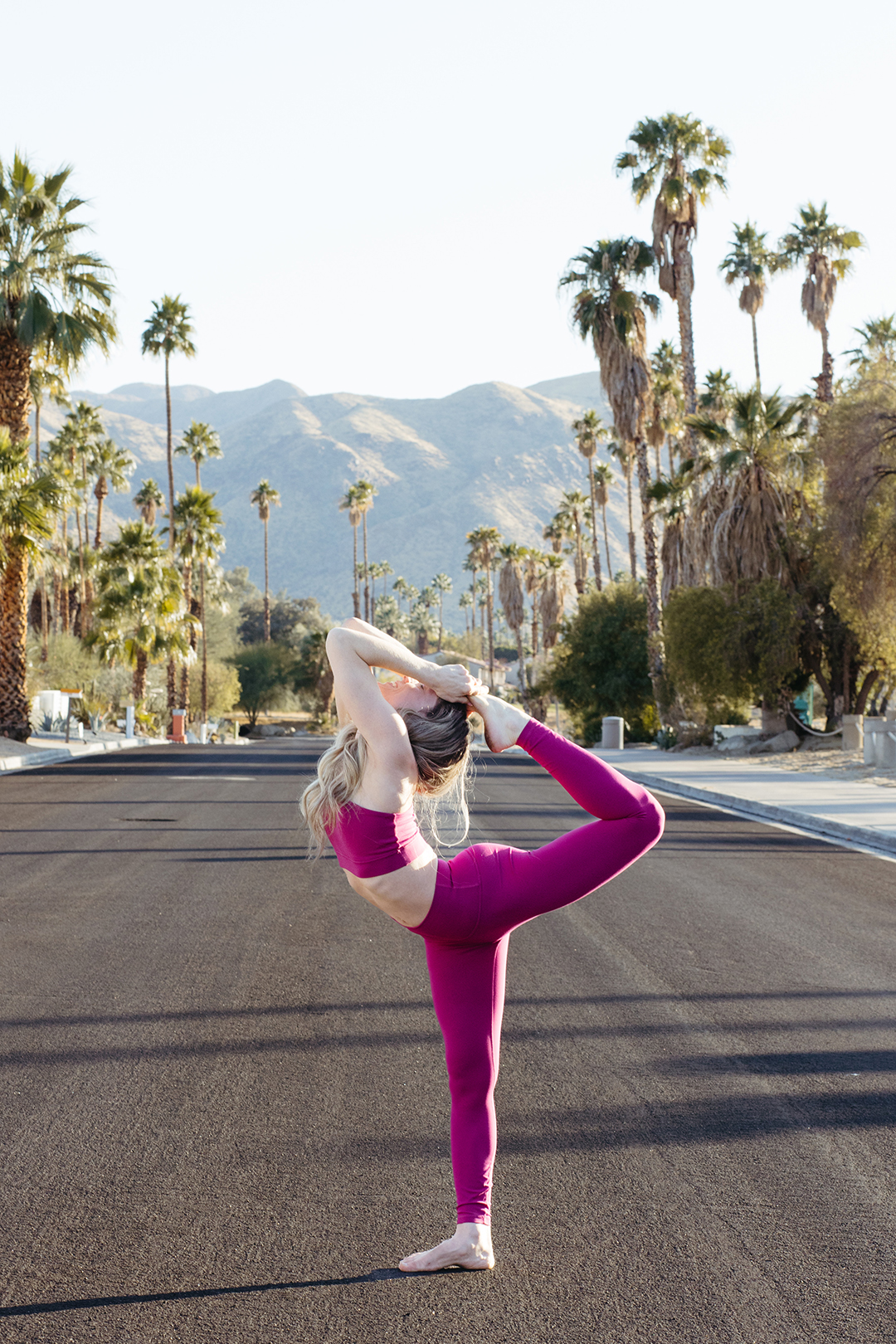
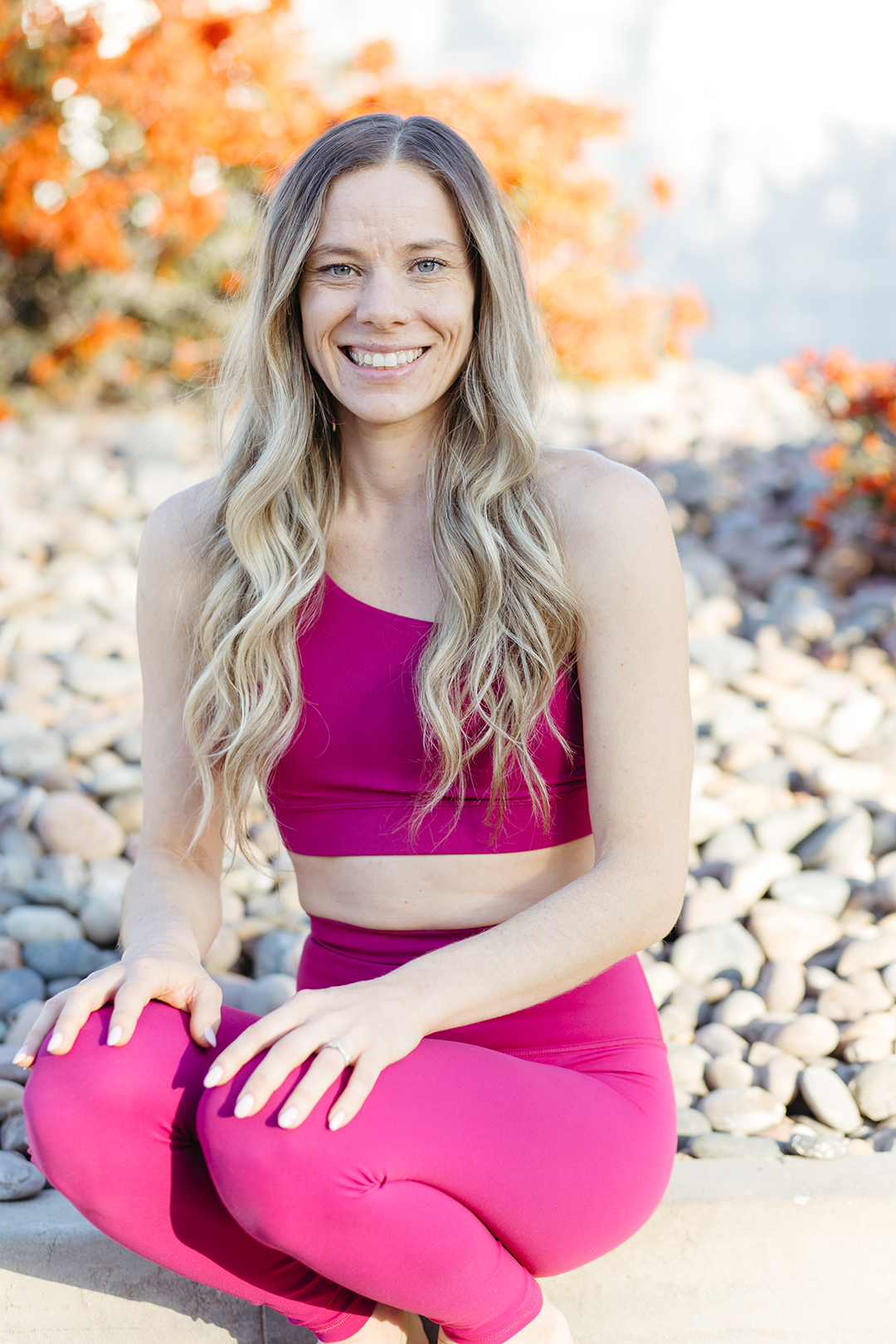
Juliana Larochelle, she is a yoga teacher’s teacher and founder of Creative Sequencing Studio, online education platform supporting yoga teachers worldwide with easy, effective class planning. With over 12 years of experience, she leads online 300-hour Yoga Teacher Trainings and offers done-for-you class plans to help teachers feel confident teaching. She specializes in creative yet accessible sequencing and weaving yoga philosophy into modern classes.
Women Fitness President Ms. Namita Nayyar catches up with Juliana Larochelle – an exceptionally talented and accomplished yoga teacher’s teacher. Here she talks about her fitness journey and the success story.
Namita Nayyar:
Welcome, Juliana. Thank you for making time. For our readers who may not know you yet, could you introduce yourself and the mission of Creative Sequencing Studio in your own words?
Juliana Larochelle:
Thank you for having me! I am Juliana Larochelle, a yoga teacher with 12 years of experience and the creator of #StealMyFlow on Instagram! The Creative Sequencing Studio is my solution to a problem I’ve encountered at different stages of my career. I did my 200-hour training on a quick retreat in Costa Rica, and when I got back to New Jersey, where I was going to college at the time, I barely knew the names of poses and definitely had no idea how to string together a sequence, never mind a creative one. We never taught a class in that training or learned the basics of sequencing, which I’ve found is really common in these condensed certification programs. During my first years of teaching, I actually wrote down flows from Yoga Girl’s YouTube classes because I was so lost.
When I finally did find mentorship from studios on the East Coast and became confident in sequencing, I was too burnt out from driving to a million studios just to make ends meet that I didn’t have the time or energy to actually implement what I learned. I hope to reach both younger versions of me through the Creative Sequencing Studio, my signature membership. The idea is simple: teachers receive weekly done-for-you sequences, dharma talks, and live classes so they can take the pressure off class prep and focus on teaching. Each week includes a brand-new sequence, a dharma talk, a playlist, and a live yoga class with me. This helps take the pressure off and gives teachers everything they need to deliver a memorable yoga class. All they have to do is show up and be themselves.
Namita Nayyar:
The term “yoga teacher’s teacher” is powerful. What does that responsibility mean to you, and how does it shape your approach to creating educational content?
Juliana Larochelle:
While I am grateful to my 200-hour training for giving me a jumping-off point in my yoga teaching career, I left it feeling pretty unprepared and unsatisfied, like far too many other yogis. I dedicated years to learning everything I could about yoga, from sequencing to philosophy. I studied in Vrindavan, India, in my 20s to finally wrap my head around yoga off the mat, and I recently had the opportunity to return with my own retreat group, which was a really full-circle moment.
When I finally found confidence as a teacher, I ran into a lot of toxic “mean girl” behavior at other yoga studios that made me question my own value. Add the pressure of teaching up to 20 classes a week and it’s a recipe for disaster, specifically burnout. Unfortunately, this is extremely common for yoga teachers, and I want to save others the time and struggle I went through. Because of these experiences, I approach educational content with a lot of empathy for teachers. I want it to feel practical, supportive, and actually usable in the real world of teaching.
I healed myself so I could be a healer. I have been to the darkest parts of myself and come back guided by my own light. I know the power of yoga through my life and study, so I have committed myself to making this practice fun, creative, and easy for others, so we can all continue to spread yoga far and wide. Through my classes, the membership, retreats, and workshops, I show teachers that teaching yoga can actually be easier and, importantly, sustainable.
Namita Nayyar:
With over 12 years of experience, what is the most significant shift you’ve witnessed in how yoga teachers approach class planning, and how has your platform evolved in response?
Juliana Larochelle:
I’ve noticed that many yoga teachers still spend hours planning classes and second-guessing their sequencing, which is exactly what I experienced early in my career. I used to spend hours writing out sequences only to stand at the front of class, totally blank out, and question every single pose. And honestly, until I created my own formula for sequencing classes, that’s what my preparation process looked like — up until 1 a.m. trying to find the right flow, only to feel like it came out all wrong when I taught the 6 a.m. sunrise class the next day. It wasn’t until I learned to teach in a progressive manner that I finally got my time and confidence back. That’s why I do what I do, so other yoga teachers don’t have this uncomfortable start to their career and are actually set up to succeed. My platform has evolved in many ways over the years, but I really found my purpose when I started teaching other teachers how to creatively sequence through the studio, the membership, and my other work.
Namita Nayyar:
Your specialty is “creative yet accessible sequencing.” Can you walk us through your core principles for building a sequence that feels both fresh and safe for a mixed-level class?
Juliana Larochelle:
Totally! This is the entire concept behind my Sequencing Remix Method, which I am starting to offer as weekend immersions, and I’m really excited about it. Like I’ve mentioned, and I’ll keep saying because I believe it so deeply, teaching yoga can be easy when you are equipped with the right tools. This is my driving force. Through my method, I show teachers how to remix their go-to poses. Any yogi is probably familiar with this sequence: Warrior II, Reverse Warrior, and Extended Side Angle. There is absolutely nothing wrong with that. But it’s fun to breathe some new life into it by cactusing the arms during Warrior II, or moving into Reverse Warrior or Extended Side Angle in an unexpected way, like pretending to push the wall away in front of you, or doing a cactus twist or thread-the-needle variation with the arms.
All these variations make the sequence feel fresh and unexpected to your regular students while still being accessible to someone new to yoga. This is what teaching in a progressive manner is all about. If I had a yogi with 30 years of experience and another who did their first sun salutation last week, I would take them step by step through poses in a way that empowers them.
For Half Moon pose, I might cue students to first take their hands to blocks for a modified Warrior III. Then they can stack their hips and perhaps lift one hand off the block, stacking their shoulders. If this feels easy for them, they can remove the bottom hand from the block and reach for the floor, or perhaps draw an elbow-to-knee connection. See how this offers students options and allows them to break down the pose progressively, rather than just firing off “Half Moon pose”?
Full Interview is Continued on Next Page
This interview is exclusive and taken by Namita Nayyar, President of womenfitness.net, and should not be reproduced, copied, or hosted in part or in full anywhere without express permission.
All Written Content Copyright © 2026 Women Fitness
Disclaimer
The Content is not intended to be a substitute for professional medical advice, diagnosis, or treatment. Always seek the advice of your physician or other qualified health provider with any questions you may have regarding a medical condition.
