Losing significant weight on Ozempic or Mounjaro feels like a huge win — until you notice the loose skin left behind. It’s one of the fastest-growing conversations in weight loss right now, and plastic surgeons say it’s only getting bigger.
Why Does Skin Get Loose After GLP-1 Weight Loss?
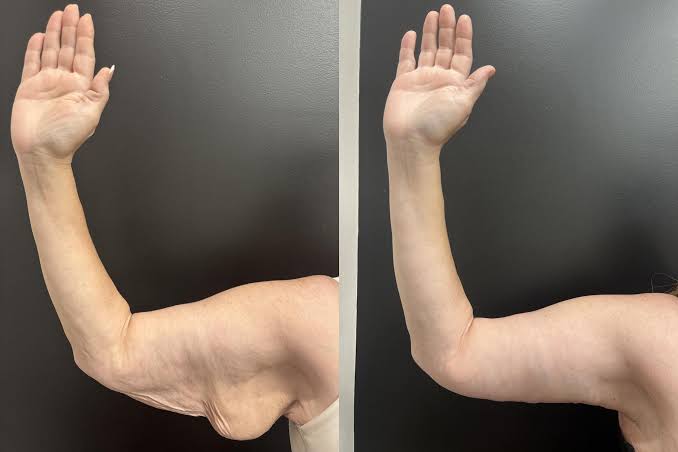
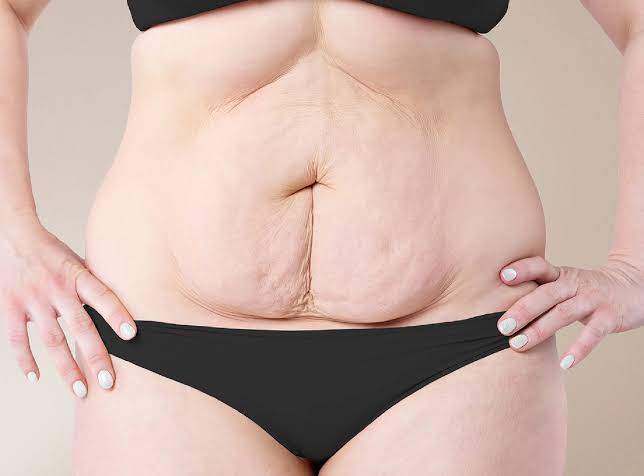
Skin can only shrink so fast. When you lose weight gradually, it usually has time to adjust. But GLP-1 medications often cause rapid, dramatic fat loss — sometimes 30, 50, or even 100+ pounds — and skin simply can’t keep up. The result is sagging skin around the stomach, arms, thighs, breasts, and face that no amount of diet or exercise can fix on its own.
How Common Is This?
More common than you might think. In a single recent year, over 837,000 GLP-1 patients sought aesthetic care from plastic surgeons, and nearly 4 in 10 were actively considering surgery. Research also shows that people who lose 11% to 30% of their body weight are especially likely to develop visible excess skin. And experts believe this trend is just getting started — most eligible patients haven’t pursued treatment yet, meaning demand will likely keep rising for years.
The Most Popular Procedures
Surgeons say a handful of procedures show up again and again for post-GLP-1 patients:
- Tummy tuck – removes excess abdominal skin
- Arm lift – tightens skin from the armpit to elbow
- Thigh lift – reshapes the upper and lower leg
- Body lift – combines multiple areas in one procedure
- Breast lift – restores shape after volume loss
- Liposuction – often paired with skin removal for smoother results
Many patients are now combining surgery with non-invasive skin-tightening treatments, like RF micro needling, for even better results.
Don’t Forget the Face
Rapid weight loss can also thin out the face; a look nicknamed “Ozempic Face.” The fix usually doesn’t require surgery — fat transfer and dermal fillers can restore lost volume and a more refreshed appearance.
Safety Note
Doctors caution against rushing into surgery too soon. A 2026 study found that combining active GLP-1 use with body contouring surgery raises the risk of complications. Most surgeons recommend waiting until your weight has fully stabilized — and your nutrition and muscle mass are in good shape — before scheduling any procedure.
This isn’t only a GLP-1 story. Bariatric surgery patients experience nearly identical skin laxity after major weight loss, which is why many surgeons treat both groups with similar contouring approaches.
Body Contouring: the Biggest Trend in Cosmetic Care
Body contouring isn’t a sign that your weight loss “failed” — it’s often simply the next step after major success. As more people reach their goals on GLP-1 medications, expect body contouring to remain one of the biggest trends in cosmetic care for years to come.
Disclaimer
The Content is not intended to be a substitute for professional medical advice, diagnosis, or treatment. Always seek the advice of your physician or other qualified health provider with any questions you may have regarding a medical condition.
