Namita Nayyar:
As a member of the New Zealand Women’s Rugby Sevens team for the Paris Olympics, during pool play against Canada you required seven stitches in your forehead after you made contact with Canadian player Charity Williams. The injury didn’t prevent you from playing in all of the remaining games. You scored 10 tries over the course of the Olympic sevens competition to make the second highest try scorer. One of your tries was in the final against Canada which was won by your team of New Zealand 19–12 to give you back-to-back Olympic gold medals. In sports like Rugby how were you able to overcome any physical or sports injury setbacks and what advice can you give to those in a similar situation?
Michaela Blyde:
Rugby is a very physical sport so there’s always going to be cuts and bruises involved. The stitches I got at the Olympics were never going to stop me from playing; believe it or not they didn’t even hurt! I have been lucky to not have had too many serious injuries in my career, my worst being a couple stress reactions in my lower legs due to stress and load. But they haven’t kept me out of the game for too long. For anyone going through something similar, it’s important to keep having goals in front of you so you can see progress in your recovery.
Celebrate each milestone like when you can jog again, to when you can sprint again, or do a particular lift in the gym. Keep everything as positive as possible so it doesn’t make you want to give up. But also acknowledge those times of struggle, they happen to everyone, it shows how much you care about your health and sport and that’s important.
Namita Nayyar:
Quote you live by.
Michaela Blyde:
“Never take criticism from someone you wouldn’t take advice from”
Being in the professional world of sport and representing my country, there’s always going to be those outside people who think their opinion matters on social media. I avoid those opinions and know who the people are that truly support me and my rugby, but also are the important people that I’m inspired by and learn from every day.
Namita Nayyar:
Tell us about a day in the life of “Michaela Blyde”
Michaela Blyde:
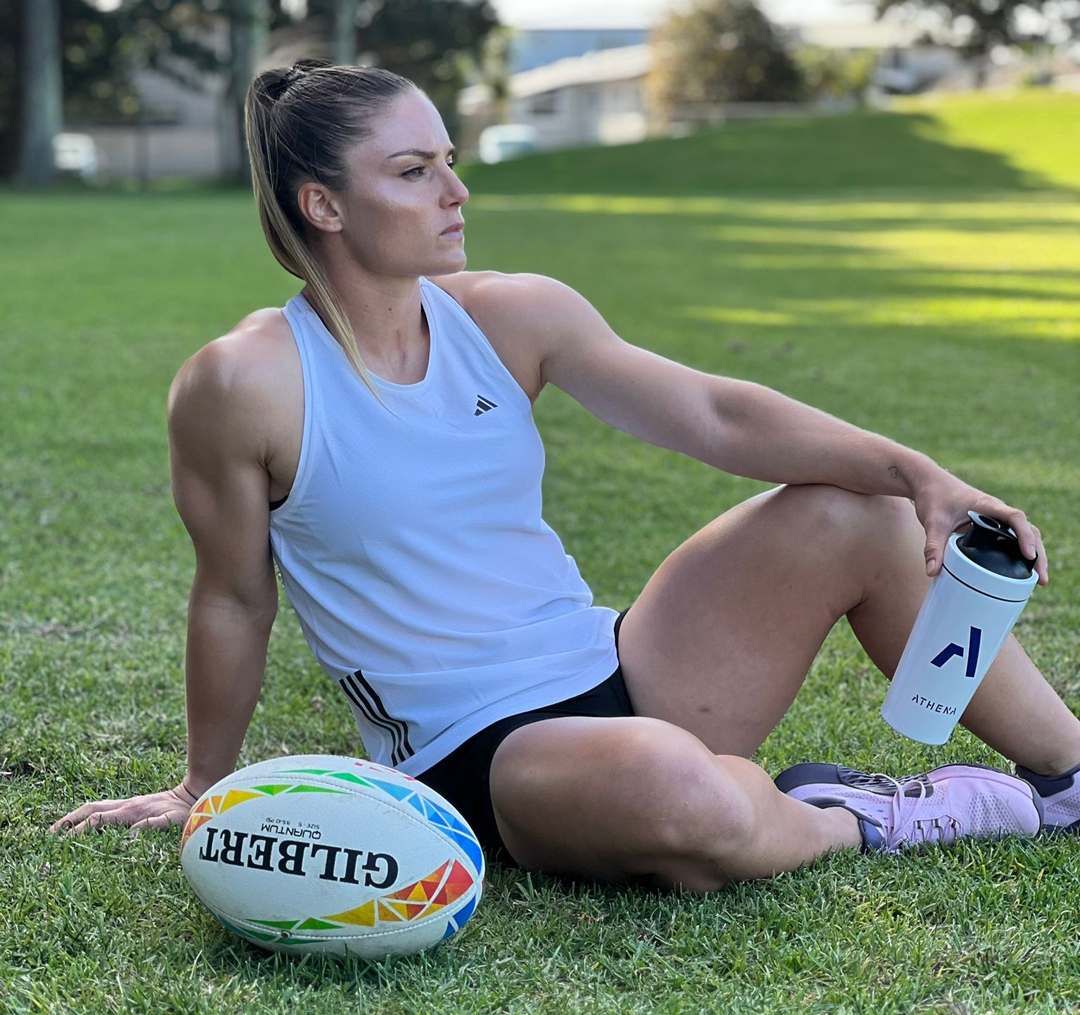
On a normal training day I would wake up between 6:30-7am, have my baked beans and eggs for breakfast. Then I would have 1-3 trainings in one day depending on the day of the week and if we have a tournament coming up. We always train on the field first around 9:30-10 am for a couple hours, recovery and lunch after, then gym around 2-2:30 pm, finish up around 4pm. They aren’t the biggest of days but we might have treatment sessions with the Physio at the end of the day, or go to the pool for a stretch. Recovery is just as important as the training itself so were almost recovering more than we are training. I’m a massive fan of red light therapy so I lie in a red light pod at least 3-4 times a week. I’ll have dinner around 6:30 to make sure I’m in bed resting by 9 pm. I like my sleep so if I don’t get at least 9 hours each night I’m grumpy haha!!
Namita Nayyar:
A message for your ardent Instagram admirers.
Michaela Blyde:
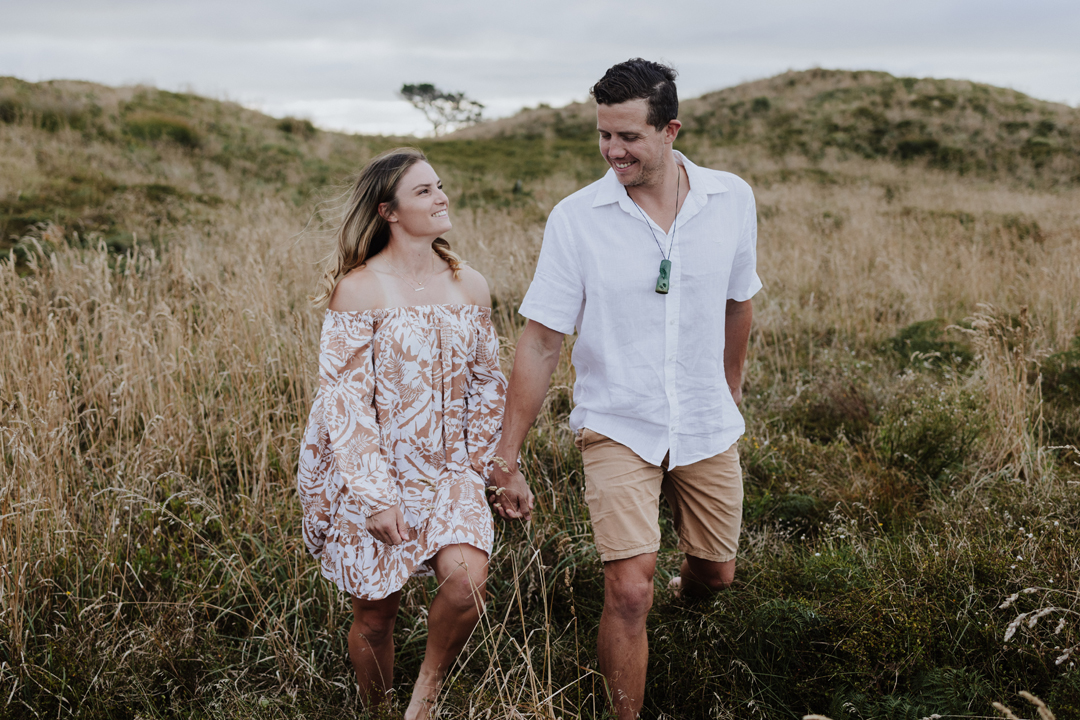
It makes me so happy seeing so many people enjoy and follow rugby 7s from across the world. It is such a fun sport that can take you to so many beautiful countries so the opportunities are endless. I’m still learning about how to utilise my Instagram efficiently so my followers stay intrigued and continue supporting me and my team. But I love showing what our days are like, my sponsors and ambassadors that are on board with me, as well as my very chill social life. I enjoy Tik Tok as well as it takes away the seriousness of Instagram and I can have a bit more fun on there. My dog features on there a lot! My content is very wedding focused as well which I’m enjoying, I got married in January 2025.
This interview is exclusive and taken by Namita Nayyar President of womenfitness.net and should not be reproduced, copied, or hosted in part or full anywhere without express permission.
All Written Content Copyright © 2025 Women Fitness
Disclaimer
The Content is not intended to be a substitute for professional medical advice, diagnosis, or treatment. Always seek the advice of your physician or other qualified health provider with any questions you may have regarding a medical condition.
