Namita Nayyar:
What is the most common misconception about bikini fitness competitions that you like to correct?
Monika Wierzbicka:
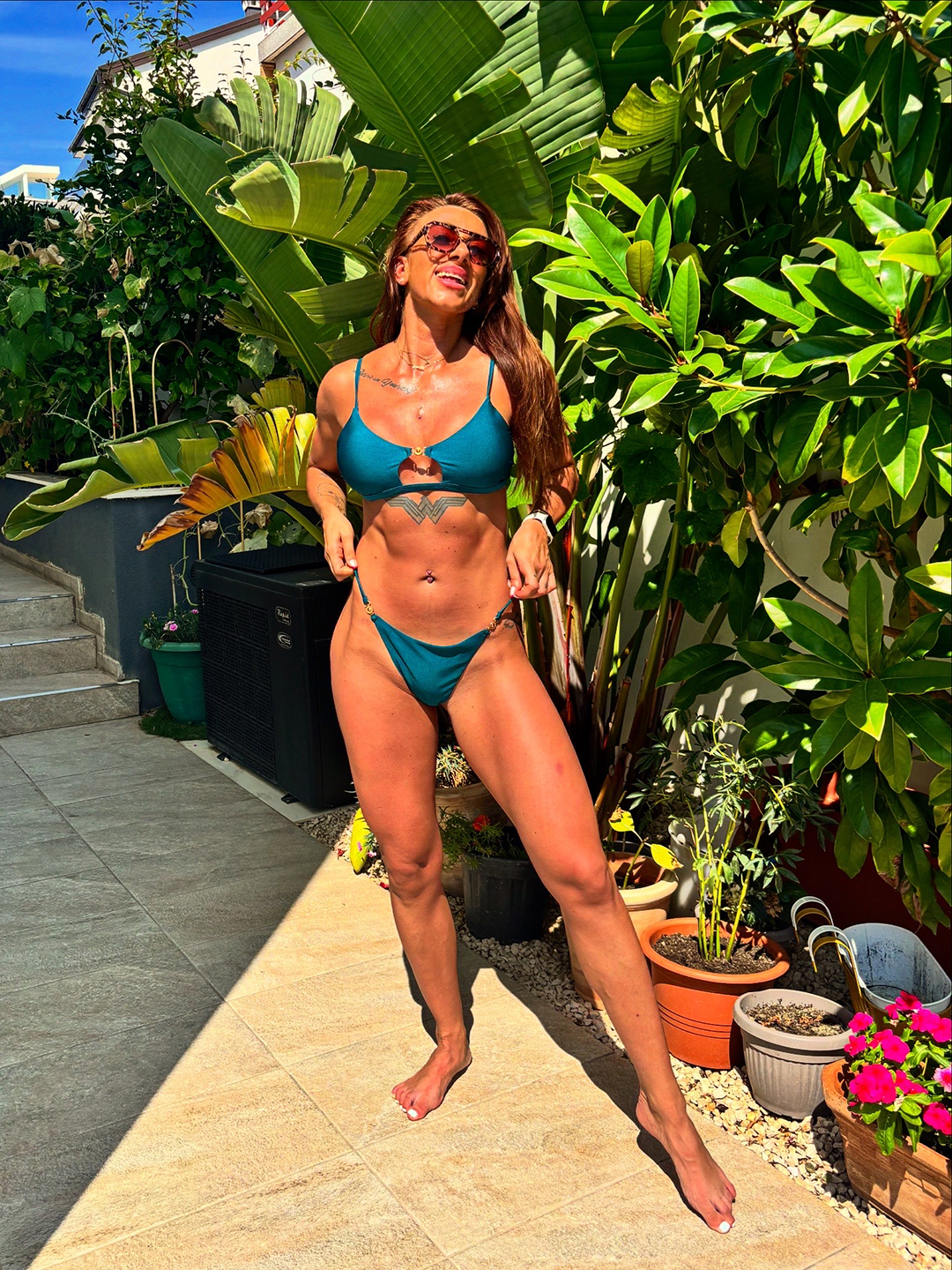
People only judge the result – that is, the performance on stage, when everything has to look beautiful. They often think that it’s nothing difficult This is exactly what I often correct, saying that the path to such an effect is very long and involves hard work, also related to learning perfect posing (which was more difficult for me than strength training;)
Namita Nayyar:
This is a fascinating niche: you run workshops for horseback riders. What inspired you to bridge the gap between traditional fitness and equestrian sports?
Monika Wierzbicka:
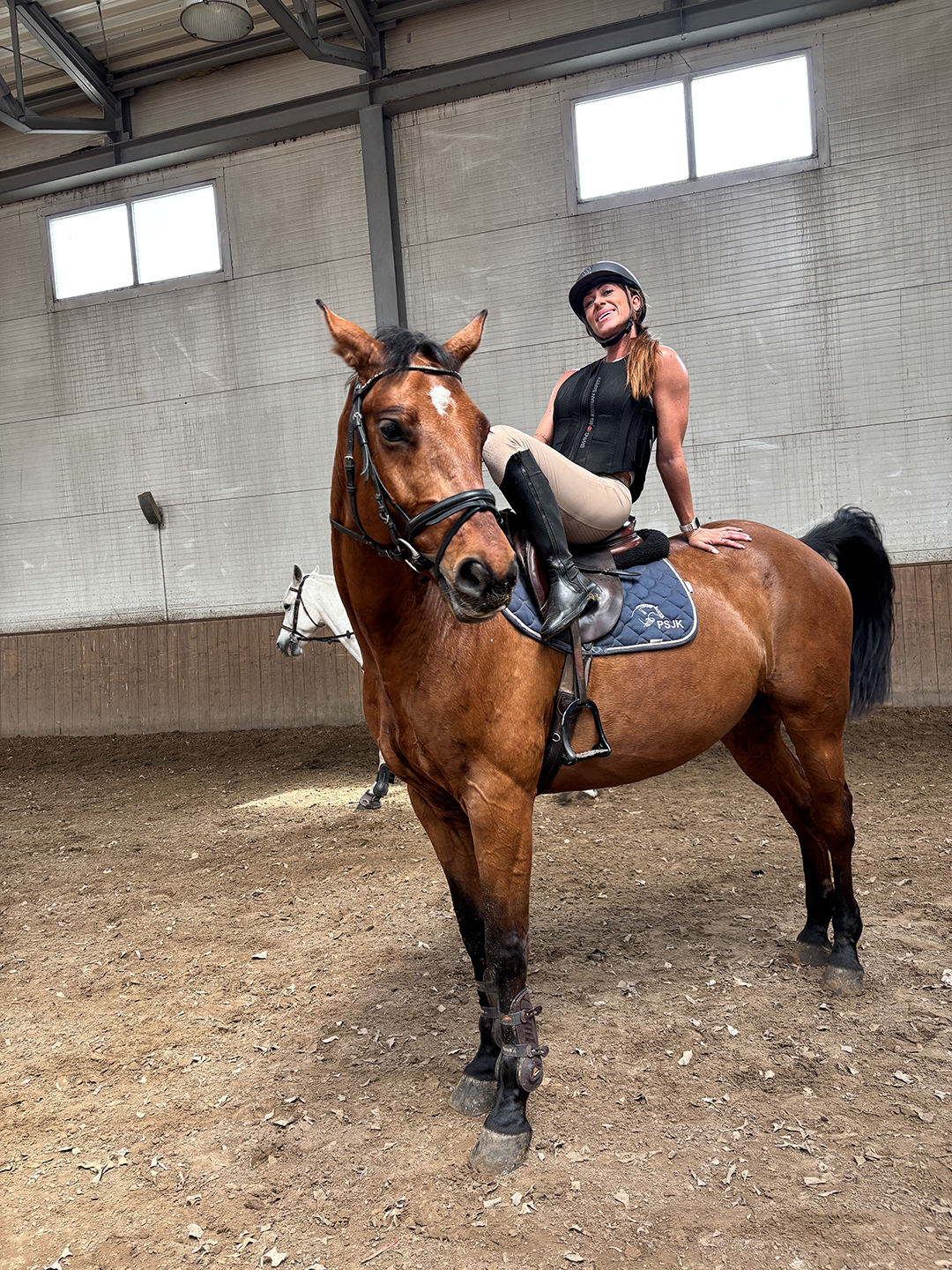
I like to develop myself and improve my qualifications—I often attend training and am very interested in medical training. Since I started horseback riding, I have tried many things on myself—to improve my riding, I have experienced a few injuries from falls during riding and I also know what helps and what doesn’t in regaining fitness. The idea itself was suggested to me by a friend, who is a massage therapist that worked with riders and noticed their weaknesses and how my training could help them. That’s where the whole concept came from.
Namita Nayyar:
From a trainer’s eye, what are the 2-3 most critical physical attributes (e.g., core stability, leg strength, postural control) for a rider, and what are your go-to exercises to develop them?
Monika Wierzbicka:
It is definitely about stabilization, activating the deep muscles, and strong glute muscles. I have plenty of favorites but certainly a lot of unilateral work, hip thrusts for the glutes (all forms in a hip hinge movement), as well as many exercises strengthening the iliopsoas muscle, which few people remember.
Namita Nayyar:
How does a rider’s fitness regimen differ from a general gym-goer’s or even another athlete’s? What unique challenges do they face?
Monika Wierzbicka:
If both individuals are beginners, practically nothing changes in the first stage – we focus on strengthening the same muscle groups. However, when it comes to advanced individuals, for an equestrian rider we focus on different elements of the physique, which are necessary, including putting greater emphasis on body stabilization. The challenge for an athlete is to concentrate on specific small elements that have a huge impact on winning in a given sports category.
Namita Nayyar:
Can you share a success story where your specific training made a noticeable difference in a rider’s performance or comfort in the saddle?
Monika Wierzbicka:
The workshop project is new; we are before the first such event. But I work personally with people who ride horses—for example: thanks to my plan, a girl who was afraid of jumping because she couldn’t stay on the horse while galloping—now she jumps and has forgotten about that fear because it comes to her easily (but it was also a process). I would really like to develop the workshops so much that I could work with professional riders—that’s my plan
Namita Nayyar:
How would you describe your current personal training philosophy? Has it evolved since your competitive days?
Monika Wierzbicka:
Oh yes, she has definitely changed ;)))) Now I know that more doesn’t always mean better (in terms of training), and I also know that the core is never so strong that it couldn’t be stronger . Now I also know that strengthening the spine is key in training, which I used to underestimate.
Namita Nayyar:
What does a typical week of training look like for you now? How do you balance strength, cardio, and recovery?
Monika Wierzbicka:
Currently, I have 3-4 strength training sessions, but they are not as intense as they used to be—I now train for pleasure, not obligation. In addition, I always have one horseback riding session per week. Sometimes I also manage to go for a round of golf—but that’s more for relaxation During the week, I also lead group classes at the gym where I work, which serves as cardio for me. I always have weekends off to relax.
Disclaimer
The Content is not intended to be a substitute for professional medical advice, diagnosis, or treatment. Always seek the advice of your physician or other qualified health provider with any questions you may have regarding a medical condition.
