By Mellara Gold
What My Two Pregnancies Taught Me About Strength, Trust, and Listening
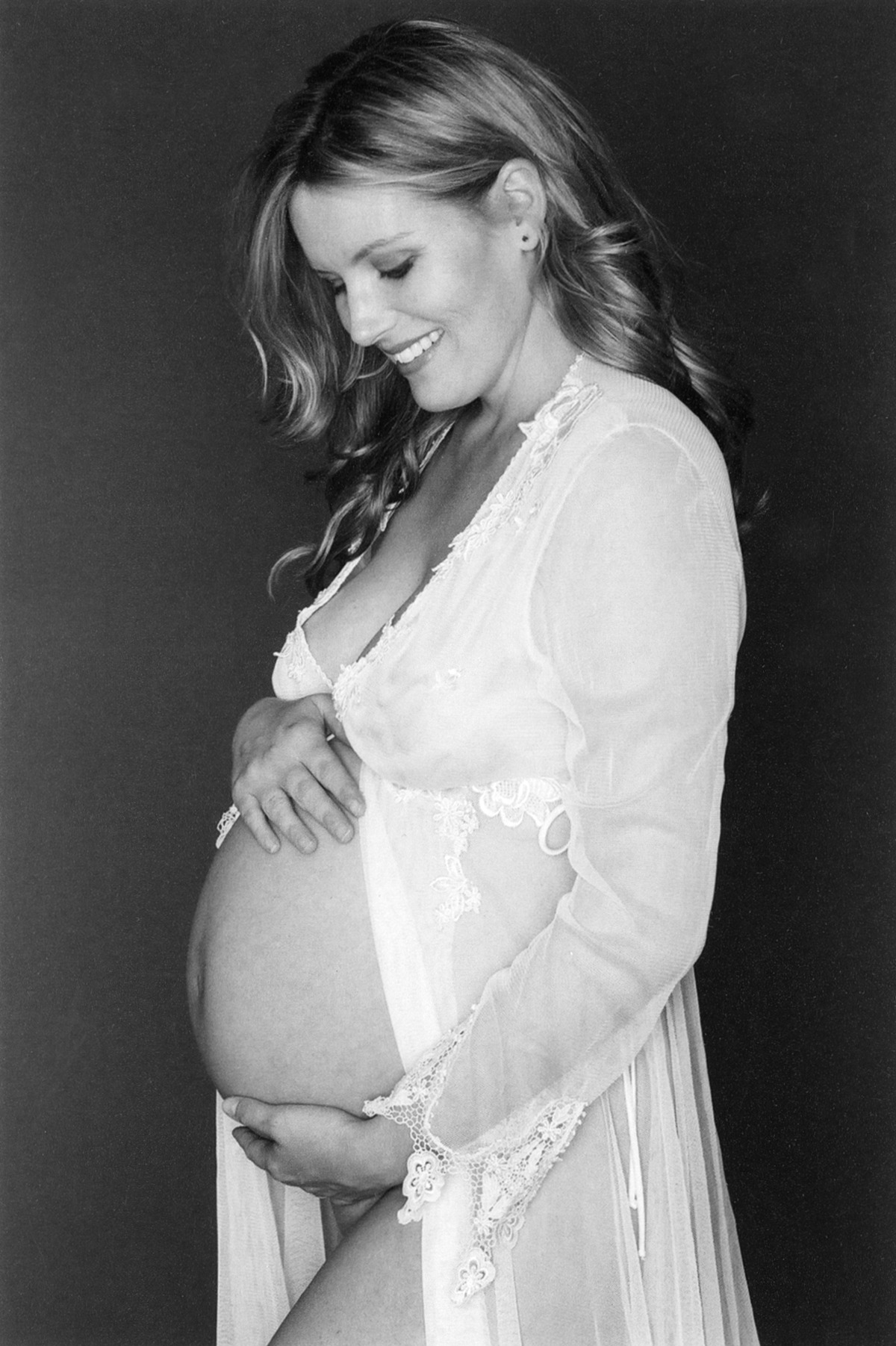
When I became pregnant with my first child, I had already been teaching yoga for several years. I assumed pregnancy would simply become another chapter of my practice.
Instead, it changed my understanding of yoga completely.
Like many first-time mothers, I was filled with excitement. But beneath that excitement lived something I rarely spoke about.
Fear.
Not because anyone had told me there was something wrong. There wasn’t.
I simply became deeply aware that I was responsible for this tiny life growing inside me, and suddenly everything felt precious.
Would I move too much?
Would I lift something too heavy?
Could I somehow do something that might jeopardize this pregnancy?
Looking back now, I realize those fears are probably more common than many women admit.
Although I had been teaching yoga for years, I found myself exercising less than I had expected.
I wasn’t trying to become stronger.
I was trying to become quieter.
My husband and I took long walks along the beach. I swam at our local gym. My yoga practice became slower, gentler, and more contemplative. Rather than asking my body to accomplish something, I simply listened to it.
One of the greatest gifts prenatal yoga gave me during that first pregnancy wasn’t flexibility or strength.
It was permission.
Permission to slow down.
Permission to trust that sometimes less really is more.
Permission to let awareness—not ambition—guide my practice.
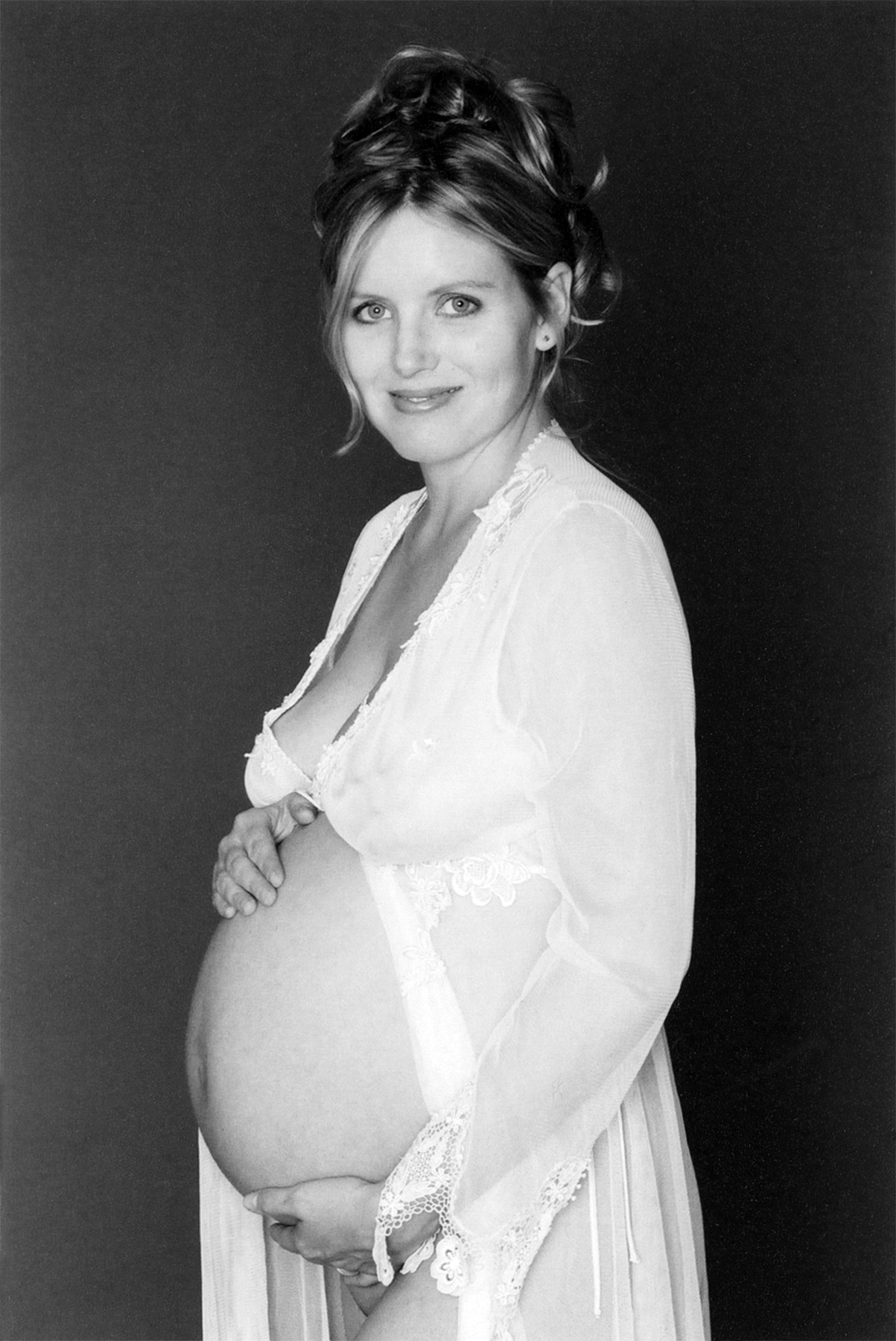
People often think prenatal yoga is primarily about preparing for labor through movement, breathing techniques, and specific postures.
Those things certainly have value.
A thoughtful prenatal practice can help maintain mobility, improve circulation, ease back discomfort, support posture as the body changes, encourage healthy breathing, and develop greater awareness of the pelvic floor.
But for me, something quieter was happening.
Every practice became an opportunity to ask one simple question:
What does my body need today?
Looking back, I realize that question became one of the first lessons of motherhood.
By the time I became pregnant with my second child, everything felt different.
Perhaps it was because I had already experienced pregnancy once before. Perhaps it was because this baby had a different temperament from the very beginning.
Our first baby had been colicky and awake much of the night during those early months. Like many new parents, we experienced the exhaustion that comes with caring for a baby who struggles to settle.
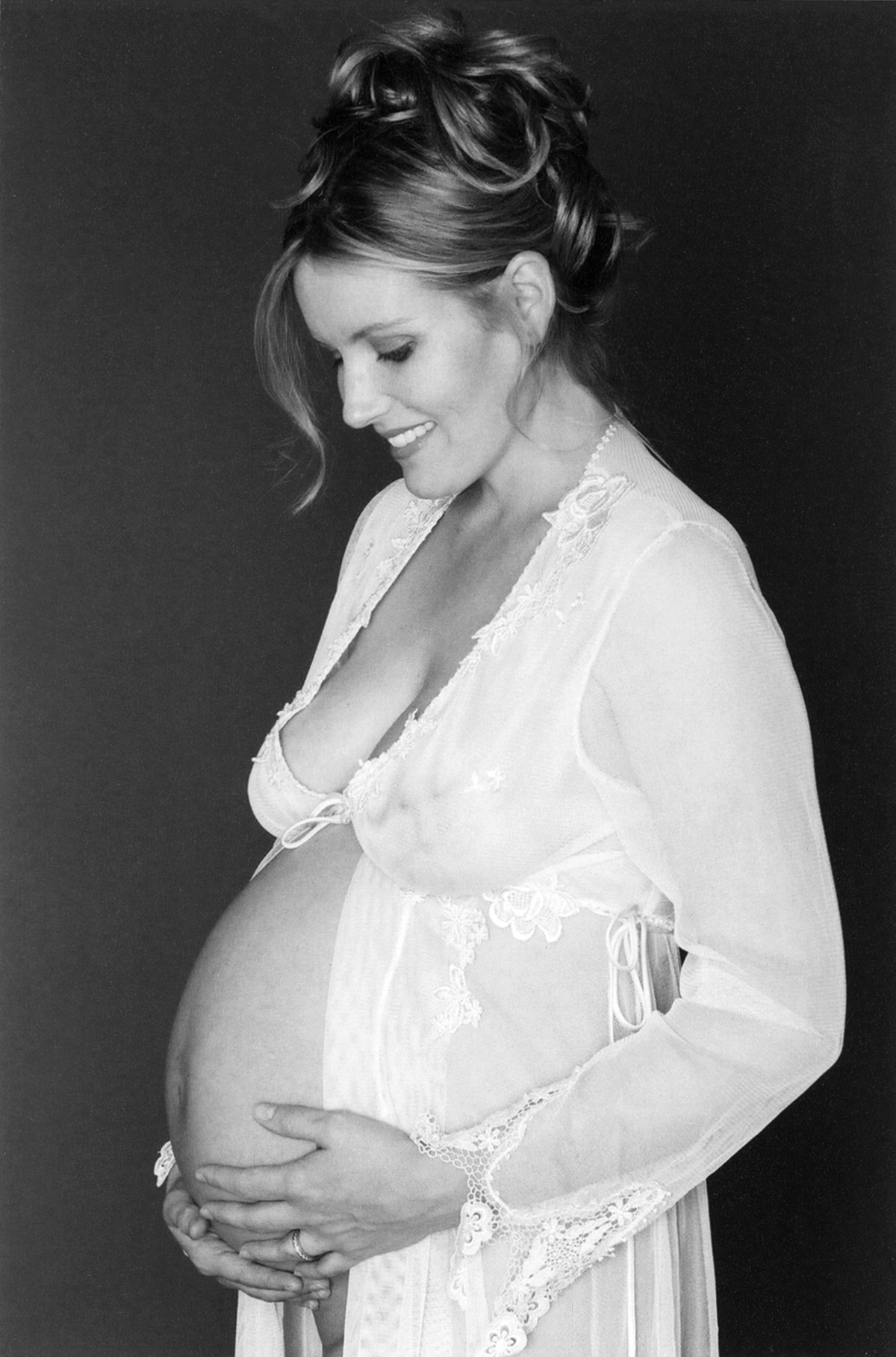
My second pregnancy began from a different place.
I was sleeping better.
I felt more confident.
And I realized something I hadn’t fully understood the first time around.
I actually needed movement.
Living in San Francisco with a toddler meant life naturally involved activity. We walked the city’s hills almost every day. We attended mommy-and-me classes together, and I returned to a more regular yoga practice.
Not because I wanted to stay fit.
Not because I was trying to “bounce back.”
But because I understood that motherhood asks a great deal of us physically.
We carry children.
Lift them.
Bend.
Squat.
Rock.
Soothe.
And keep showing up, day after day.
This time, movement didn’t feel like something to fear.
It felt like a way of preparing—not only for birth, but for the everyday realities of motherhood.
Yoga helped me build strength.
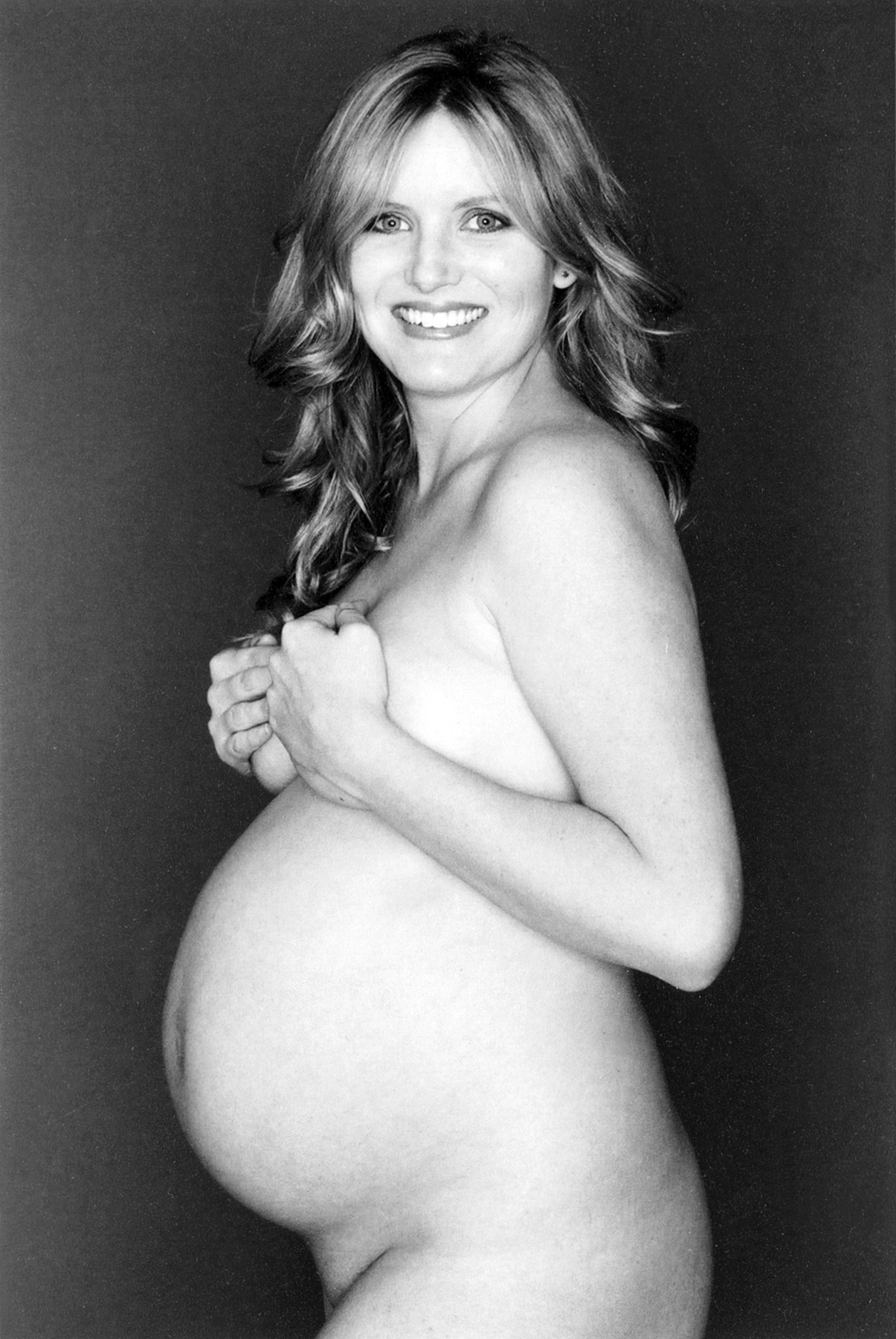
Walking strengthened my legs and endurance.
Breathwork reminded me how to soften when life became busy.
Together, these practices helped me feel calmer, more capable, and more present as our family prepared to grow.
When labor finally arrived, I wasn’t thinking about yoga poses.
I wasn’t remembering sequences.
Instead, I found myself returning to the same qualities yoga had quietly been cultivating all along.
Breathe.
Stay present.
Soften what doesn’t need to fight.
Trust your body.
I couldn’t control birth.
But I could return, again and again, to the present moment.
Today, more than nineteen years later, I still think about those two pregnancies.
The first taught me restraint.
The second taught me confidence.
One required me to slow down.
The other invited me to move with greater trust.
Neither was better than the other.
Each asked something different of me, and yoga helped me listen closely enough to respond.
Looking back, I don’t think prenatal yoga was preparing me only for labor.
It was preparing me for the thousands of ordinary moments that would follow.
The middle-of-the-night feedings.
The endless carrying.
The uncertainty.
The joy.
The moments when I would need patience instead of perfection, presence instead of control.
Pregnancy lasts only a season.
Motherhood becomes a lifetime.
And the qualities yoga was quietly cultivating all those years ago—awareness, adaptability, strength, and trust—have remained with me long after my children outgrew my arms.
They continue to shape not only the way I practice yoga, but the way I move through life itself.
Disclaimer
The Content is not intended to be a substitute for professional medical advice, diagnosis, or treatment. Always seek the advice of your physician or other qualified health provider with any questions you may have regarding a medical condition.
