2- Body Fat Percentage: Hormones and Inflammation
What This Metric Measures
Body fat percentage reflects the proportion of your total body weight composed of fat tissue. This includes:
- Essential fat required for hormone production, brain function, and organ protection
- Stored fat located subcutaneously under the skin and viscerally around organs
Fat tissue is biologically active. It produces inflammatory molecules, influences estrogen conversion after menopause, and interacts directly with insulin signaling pathways.
It is not bad. But excess, especially centrally stored, becomes metabolically disruptive.
A Brief Note on Insulin Sensitivity
Insulin is the hormone that helps move glucose from your bloodstream into your cells for energy. When you are insulin sensitive, your cells respond efficiently to insulin.
When insulin resistance develops, your cells stop responding properly. Your body must produce more insulin to manage blood sugar, which can increase fat storage, particularly around the midsection, and raise inflammation.
After 40, declining estrogen and reduced muscle mass make insulin resistance more likely.
The encouraging part? Muscle is one of the most powerful tools for improving insulin sensitivity.
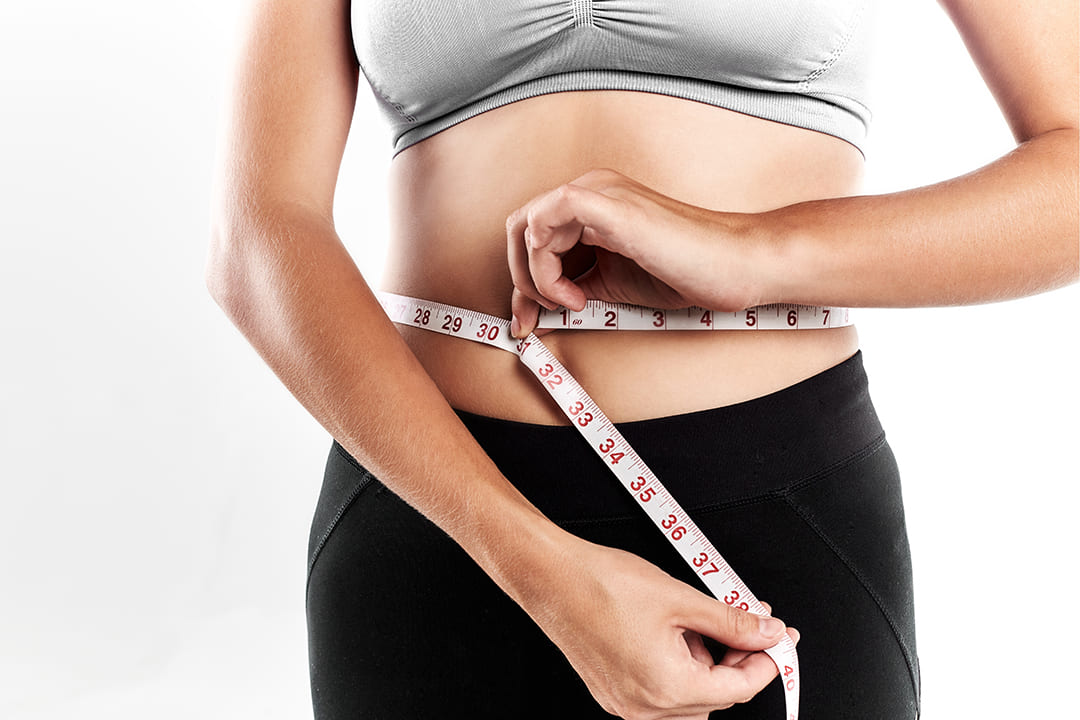
What Happens After 40
As estrogen declines:
- The body tends to store more fat centrally
- Fat tissue becomes a secondary site for estrogen production
- Insulin sensitivity may decline
- Inflammatory signaling can increase
Excess body fat, especially centrally stored, increases:
- inflammation
- blood sugar instability
- cardiometabolic risk
Why It Matters
Healthy body fat ranges can be discussed using verified reference categories. Widely Used Body Fat Categories for Women (General Reference)
- Athletes: 17–20%
- Fitness: 21–24%
- Average: 25–31%
- Obese: 32%+
The goal is not extreme leanness.
Too low can disrupt hormones.
Too high increases inflammatory load.

The Solution
Lower inflammation and improve insulin sensitivity by:
- Following a healthy anti-inflammatory diet rich in vegetables, lean proteins, berries, olive oil, nuts, seeds, and fiber
- Reducing ultra-processed foods and refined sugars
- Preserving muscle with strength training 3 to 4 times per week
- Walking after meals to stabilize blood sugar
- Managing stress and prioritizing sleep
Moderate fat reduction while preserving muscle improves insulin sensitivity and inflammatory balance.
3- Visceral Fat: The Hidden Risk After Menopause
What This Metric Measures
Visceral fat is fat stored deep within the abdominal cavity around:
- Liver
- Pancreas
- Intestines
Unlike subcutaneous fat, visceral fat is highly metabolically active. It releases inflammatory cytokines and hormones directly into circulation, influencing liver function and insulin sensitivity.
It is strongly linked in medical research to cardiometabolic disease risk.

What Happens After 40
With hormonal shifts:
- Fat distribution shifts toward the abdomen
- Visceral fat tends to increase
- Insulin resistance risk rises
Many women can appear thin but have elevated visceral fat.
Why It Matters
On many body composition scales that use a visceral fat rating system (commonly shown as a number from 1 to 59), the reference ranges are:
- 1 to 12: Healthy level
- 13 to 59: Excess level
Alternative Metric: If using a device that measures in units (like cm²), a visceral fat area (VFA) of less than 100 cm² is considered healthy, while 100 cm² or more is classified as high.
After menopause, women are more susceptible to visceral accumulation due to hormonal redistribution.
Visceral fat influences metabolic flexibility, your ability to switch between burning carbohydrates and fat.

The Solution
- Strength train consistently
- Walk daily, especially after meals
- Keep blood sugar stable with protein and fiber at meals
- Lower chronic stress
- Protect and build muscle mass
Visceral fat is often the first fat depot to improve when lifestyle shifts are consistent.
4- Skeletal Muscle: The Tissue That Protects You
What This Metric Measures
Skeletal muscle percentage reflects the proportion of your body composed of contractile muscle tissue, the muscle you consciously control. This muscle:
- Regulates blood sugar
- Stores glycogen
- Supports joints
- Protects the spine
- Drives metabolic rate
- Stimulates bone density
It is one of the most protective tissues in the body.
What Happens After 40
Women begin losing muscle gradually in their 40s. After menopause, the rate can accelerate if resistance training is not present. This process is called sarcopenia. Less muscle means:
- Lower resting metabolic rate
- Higher insulin resistance
- Increased fall risk
- Reduced bone stimulation
Why It Matters
Different scales calculate “skeletal muscle percentage” differently, and the best comparison is against your own baseline and your device’s built-in reference ranges.
The goal is simple: protect and build muscle so your metabolism, blood sugar control, posture, joints, and bone support stay strong as you age.
The Solution
- Progressive strength training 3 to 4 times per week
- Adequate daily protein intake
- Avoiding extreme calorie restriction
- Proper recovery and sleep
Preserving muscle is one of the most powerful anti-aging strategies available.
Disclaimer
The Content is not intended to be a substitute for professional medical advice, diagnosis, or treatment. Always seek the advice of your physician or other qualified health provider with any questions you may have regarding a medical condition.
