Scleroderma is an autoimmune disease meaning hard skin. In an autoimmune disease, the immune system mistakes a person’s own tissues as foreign invaders and sets up a protective attack that backfires to cause problems. According to experts, approximately 1 in every 4,000 people has some form of scleroderma. It is rare in children, and is more common in females than males. It generally develops when the patient is aged between 30 and 60 years.

The “Connective tissue” comprise the skin and add strength to organs and other parts of the body. Connective tissue is made of many kinds of proteins. Among them is collagen of the skin. In scleroderma, cells start making collagen as if there were an injury that needs repairing. The cells do not turn off as they should and end up making too much collagen. The extra collagen in the tissues can prevent the bodies organs from functioning normally.
Symptoms
The signs and symptoms of scleroderma vary according to which organ systems are affected. Diagnosis may initially be hard to make because early symptoms are commonly found in the general population – symptoms which are not necessarily linked to the disease. The most common signs and symptoms include:
- Raynaud’s phenomenon – an over-reaction to cold temperatures or emotional distress. Finger color changes are caused by spasm and narrowing of blood vessels. This occurs because of excess collagen that has narrowed the blood vessels and over reaction of the skin blood vessel to cold temperatures and emotional stress.
- GERD (gastroesophageal reflux disease) – the patient may experience acid reflux. If the intestinal muscles are not moving food through the intestines properly there may be problems absorbing nutrients.
- Skin – the individual may have swollen hands and fingers, patches of hardened skin (especially fingers), tight skin around the face, mouth or hands. The skin may seem to shine because of the tightness. Affected areas may have restricted movement.
- Morphea – thickened, oval-shaped patches of skin; the shapes have a purple border and are white in the middle.
- Linear scleroderma – bands/streaks of hardened skin on the limbs or forehead. One or more limbs may be affected.
- Systemic scleroderma (systemic sclerosis) – blood vessels and internal organs are also affected (as well as the skin). The patient may experience fatigue (tiredness),weight loss and muscle pains.
Diagnosis
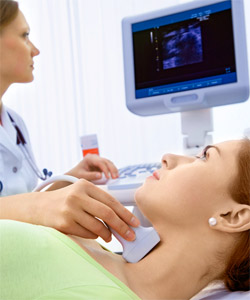 The diagnostic process may require consultation with rheumatologists (arthritis specialists), and/or dermatologists (skin specialists) and require blood studies and numerous other specialized tests depending upon which organs are affected.
Treatment
There is currently no treatment that can cure scleroderma. No medication can halt the overproduction of collagen. However, some medications may help control scleroderma symptoms and also help prevent complications.
Current therapies use medications that focus on the four main features of the disease: inflammation, autoimmunity, vascular disease, and tissue fibrosis. Blood pressure medications that dilate the blood vessels may help prevent some organ problems (e.g. kidney or lung). They may also help treat Raynaud’s disease. Some medications, known as immuno-suppressants, may suppress the immune system (calm it down). These are the same medications organ transplant recipients use to stop their immune systems from rejecting the new organ.
For medical support on scleroderma, click here.
| Management Tips
There also are a number of general common-sense measures that a person with scleroderma can take to enhance his/her well-being. These measures include:
|
Reference:
Disclaimer
The Content is not intended to be a substitute for professional medical advice, diagnosis, or treatment. Always seek the advice of your physician or other qualified health provider with any questions you may have regarding a medical condition.