Women Fitness

Women Fitness is an exhaustive resource on exercise for women, workouts for women, strength training, Zumba, HIIT, weight loss, workout, fitness tips, yoga, pregnancy.

  • 150 countries
  • Site Map
  • Disclaimer
  • Privacy Policy
  • Health & Fitness
  • Celebrities
  • News
  • Digital Magazine
  • Shopping
  • Print Magazine
    • Follow
    • Subscribe

Getting Back to Normal

Shaken Baby Syndrome: Let The Baby Cry

October 29, 2016 By Namita Nayyar (Editor in chief)

Violent shaking of an infant or toddler by the shoulders, arms, or legs can cause bleeding within the brain or the eyes resulting in serious health consequences. Babies (newborn to 4 months) are at greatest risk of injury from shaking. Inconsolable crying is a primary trigger for shaking a baby.

Shaken Baby Syndrome

Long bouts of inconsolable crying’is normal developmental behavior in infants. The problem is not the crying; however, it’s how caregivers respond to it. Picking up a baby and shaking, throwing, hitting, or hurting him/her is never an appropriate response.

Prolonged bouts of inconsolable crying’is normal developmental behavior in babies.

Symptoms of Shaken Baby Syndrome (SBS):

  • Lethargy / decreased muscle tone
  • Extreme irritability
  • Decreased appetite, poor feeding or vomiting for no apparent reason
  • Grab-type bruises on arms or chest are rare
  • No smiling or vocalization
  • Poor sucking or swallowing
  • Rigidity or posturing
  • Difficulty breathing
  • Seizures
  • Head or forehead appears larger than usual or soft-spot on head appears to be bulging
  • Inability to lift head
  • Inability of eyes to focus or track movement or unequal size of pupils

Other injuries that may not be initially noticeable include bleeding in the brain and eye, damage to the spinal cord and neck and fractures of the ribs, skull and bones.

Tips to Prevent Occurrence of SBS
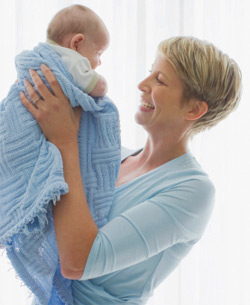
Shaken Baby Syndrome: Let the Baby CryFor generations, parents have experienced the stress and frustration of increased, inconsolable crying in their infants in the first three to five months of life.

Everyone, from caregivers to bystanders, can do something to prevent SBS.

Educating Parents & Caregiver

If you are the parent or caregiver of a baby, note:

  • Babies can cry a lot in the first few months of life and this can be frustrating. But it will get better.
  • You are not a bad parent or caregiver if your baby continues to cry after you have done all you can to calm him/her.

You can try to calm your crying baby by:

  • Rubbing his/her back
  • Gently rocking
  • Offering a pacifier
  • Singing or talking
  • Taking a walk using a stroller or a drive with the baby in a properly-secured car seat.

If you have tried various ways to calm your baby and he/she won’t stop crying,do the following:

  • Check for signs of illness or discomfort like diaper rash, teething, or tight clothing
  • Call the doctor if you suspect your child is injured or ill
  • Assess whether he/she is hungry or needs to be burped
  • If you find yourself pushed to the limit by a crying baby, you may need to focus on calming yourself. Put your baby in a crib on his/her back, make sure he/sheis safe, and then walk away for a bit and call a friend, relative, neighbor, or parent helpline for support. Check on him/her every 5 to 10 minutes.
  • Understand that you may not be able to calm your baby and that it is not your fault, nor your baby’s. It is normal for healthy babies to cry much more in the first 4 months of life. It may help to think of this as the Period of PURPLE Crying® as defined by the National Center for Shaken Baby Syndrome (NCSBS).
PURPLE, stands for:

  • Peak Pattern: Crying peaks around 2 months, then decreases.
  • Unpredictable: Crying for long periods can come and go for no reason.
  • Resistant to Soothing: The baby may keep crying for long periods.
  • Pain-like Look on Face.
  • Long Bouts of Crying: Crying can go on for hours.
  • Evening Crying: Baby cries more in the afternoon and evening.

Giving parents and caregivers tools to know how they can cope if they find themselves becoming frustrated are important components of any SBS prevention initiative.

Reference:

  • http://www.cdc.gov/

Related Links

  • Attending to Your Baby’s Needs
  • In Touch With Your Baby
  • Top 10 Ways of Dealing with Stress


Disclaimer
The Content is not intended to be a substitute for professional medical advice, diagnosis, or treatment. Always seek the advice of your physician or other qualified health provider with any questions you may have regarding a medical condition.

Related Links

Getting Back to NormalAfter the Baby Arrives
Fertility & ConceptionbabyIn Touch With Your Baby

Digital Magazine Sign-Up

Digital Magazine Available On

Available On Readly App

Available On Magzter

Advertise With Us


Categories

  • Beauty & Fashion
  • Building Strength
  • Calorie Catch
  • Celebrities
  • Diet & Optimum Nutrition
  • Disease Management
  • Exercise & fitness
  • Fertility & Pregnancy
  • Good health
  • Motivation Point
  • Weight Loss
  • Sexual Health
  • Target Abs
  • Women at 40
  • Yoga & Meditation
  • Others


  • facebook
  • Twitter
  • Linkedin
  • Pinterest
  • Instagram

JOIN WF

  • Advertise With Us
  • Digital Magazine

Absolutely Free

  • WF Categories
  • Low Calorie Recipes
  • Calorie Catch
  • WF Entertainment

All About Us

  • About Namita
  • Team
  • Testimonials
  • Contact Us

© by Womenfitness.net 1999–2025. All rights reserved.

All Categories

  • What’s New
  • Weight Loss
    • Obesity
    • Low Calorie Recipes
    • Real Weight Loss Stories
    • Daily Tip
    • Fitness Analysis
    • Motivation of the Day
  • Exercise
    • Body building
    • Fitness for Models
    • Target Abs
    • Women At 40
    • Motivation Point
  • Healthy Eating
    • Calorie Catch
    • Disease Management
    • Good health
    • Herbs
  • Beauty & Fashion
    • Eye Care
    • Hair Care
    • Hand & Foot Care
    • Make Up
    • Skin Care
    • Beauty Tip
  • Celebrities
    • Actresses
    • Celebrities & Fitness Trainers
    • Sportswomen
    • Celebrity List
  • Pregnancy
    • Fertility & Conception
    • Health During Pregnancy
    • Getting Back to Normal
    • Problems in Pregnancy
    • Sexual Health
  • Yoga
    • Beauty & Yoga
    • Yoga during Pregnancy
    • Meditation Point
    • The Yogic Diet
    • Weight loss Yoga
    • Yog – Asanas
    • Yoga & Disease Management
    • Yoga in Action
  • Contact
    • About Namita
    • Our Team
    • Advertize with Us
    • FAQ
    • Message Board
    • Contact Us
  • Shopping
    • Book & Mag. Store
    • Fitness Apparels
    • Fitness Music
    • Fitness Dvd’s
    • Maternity Store
    • Sports & Outdoors
    • Health Care Store
    • Natural Health Foods
    • Herbs & Spices
    • Beauty Shop
    • Jewelry Store
    • Flowers
    • Health Care Equip.
    • Diet & Nutrition
    • Health Mobile Apps
    • Sex Lubes Store
  • Fitness Components
    • Flexibility
    • Cardiovascular
    • Weight Management
    • Nutrition
    • Strength Training
  • More
    • Testimonials
    • WF Links
    • Privacy Policy
    • Site Map
    • Disclaimer
    • News
    • Herbs
    • Top 10
    • Recipes
    • Fitness E-book
    • Reviews

Follow

  • facebook
  • Twitter
  • Linkedin
  • Pinterest
  • Instagram
Go to mobile version
