Losing more hair than usual in the shower or on your brush? Before you jump straight to stronger prescriptions, science says a few herbs might genuinely help — and the research backing them is more solid than you’d expect.
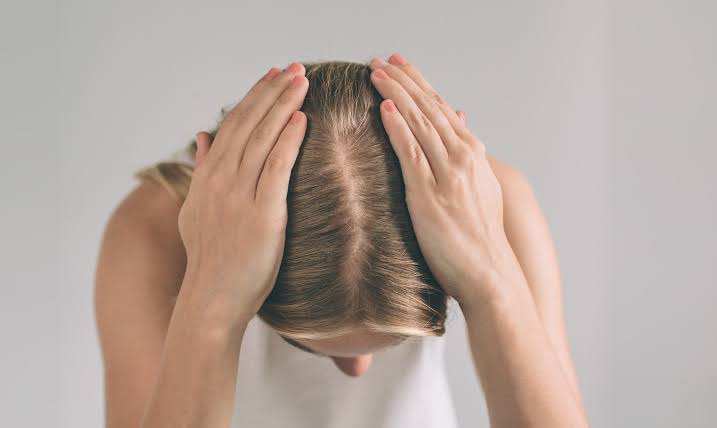
Hair loss affects roughly half of all people at some point in their lives, and for women, it can feel especially difficult to talk about. Whether you’re dealing with androgenetic alopecia (pattern thinning) or alopecia areata (patchy, autoimmune-related loss), a growing body of clinical and preclinical research is now testing whether herbal and plant-based treatments can meaningfully support hair regrowth — not just anecdotally, but in controlled studies.
Quick summary — herbs with the most research behind them:
- Essential oil blend (thyme, rosemary, lavender, peppermint, cedarwood) — proven in a placebo-controlled trial
- Rosemary — inhibits DHT, the hormone linked to pattern hair loss
- Saw palmetto — up to 60% improvement in hair quality reported
- Green tea extract — improved density specifically in women
- Pumpkin seed, red clover, ginseng, ginkgo — support circulation and hormone balance
- Melatonin — shown to help women with diffuse thinning
Here’s what the current science actually shows, and where the evidence is still catching up.
Essential Oils: The Best-Studied Option
One of the most compelling studies on natural hair loss treatments involved a nightly scalp massage using a blend of thyme, rosemary, lavender, peppermint, and cedarwood essential oils. In a double-blind, placebo-controlled trial spanning seven months, 44% of participants using the oil blend saw new hair growth, compared to just 15% in the control group. It’s simple, low-risk, and can easily be worked into a self-care routine.
Does Rosemary Oil Really Work for Hair Loss?
Rosemary extract has drawn serious scientific attention for its ability to inhibit the binding of DHT (the hormone linked to pattern hair loss) to its receptors. Animal studies show rosemary can boost key growth factors involved in hair regrowth — including insulin-like growth factor and vascular endothelial growth factor — both essential to healthy follicle activity. Some researchers now consider it a gentler, plant-based alternative worth discussing with your dermatologist, and it’s one of the easiest herbs to find as affordable scalp oil.
Saw Palmetto: A Hormone-Balancing Option for Women Too
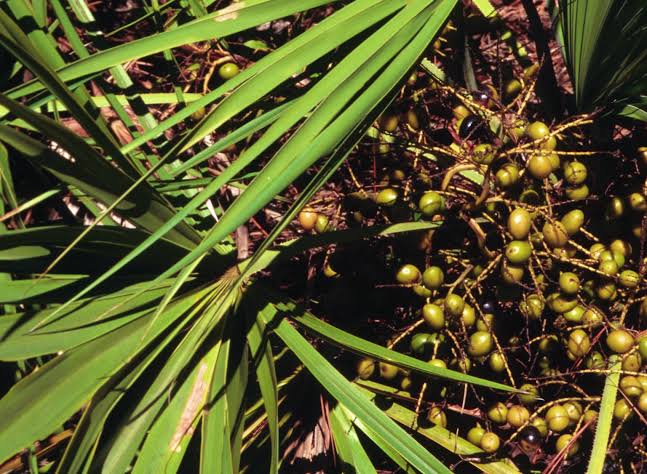
Saw palmetto is best known for treating androgenetic alopecia. Reviews report up to a 60% improvement in hair quality and a 27% increase in hair count with consistent use (oral or topical, typically 100–320mg). Because it also works on the DHT pathway, it may be particularly relevant for women experiencing hormone-related thinning, including thinning linked to PCOS or menopause. It’s generally well-tolerated, though high-quality long-term safety data in women specifically is still limited.
Green Tea Extract: The Female-Focused Option
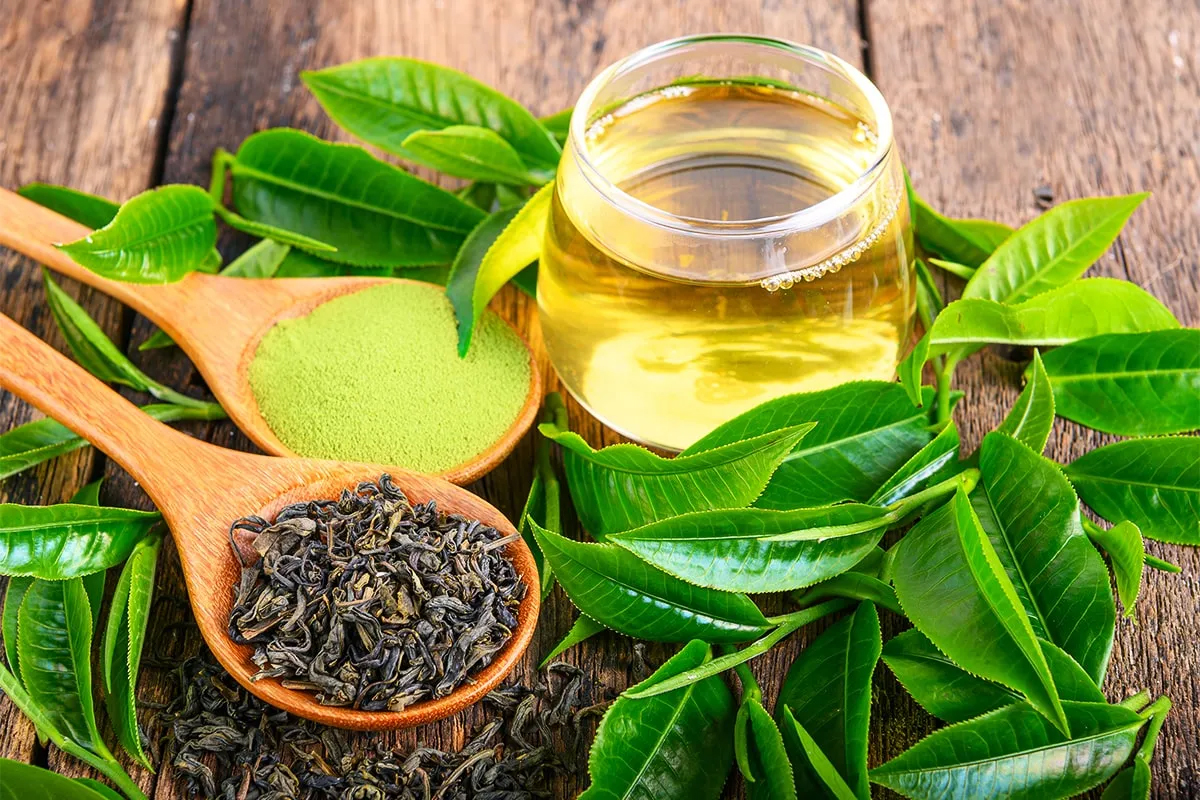
Applied topically, green tea extract has been shown to improve hair density and thickness specifically in women with pattern hair loss — making it one of the more female-relevant options on this list. Its antioxidant compounds (catechins) are thought to protect follicles from oxidative stress, a factor increasingly linked to premature thinning.
Other Herbs Being Studied
Pumpkin seed extract, red clover, Chinese red ginseng, and ginkgo biloba all show promise, largely through supporting scalp circulation, reducing inflammation, or gently regulating hormone pathways. Melatonin has also shown benefits specifically for women with diffuse thinning.
The Fitness Connection
Stress, poor sleep, and nutrient deficiencies (iron, zinc, biotin) — all things fitness routines can help regulate — play a real role in hair health. Pairing herbal support with strength training, stress management, and a nutrient-dense diet may offer more complete results than any single remedy alone.
What the Research Still Can’t Tell Us
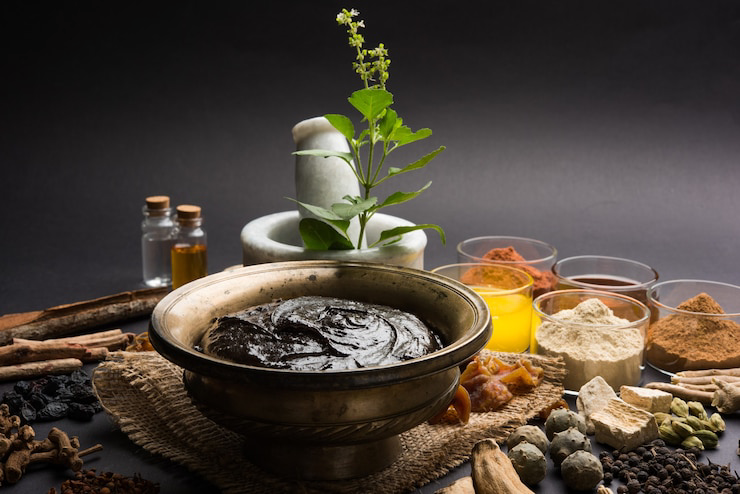
Most of this evidence comes from small human trials, animal studies, or early-stage lab research — not the large-scale, long-term clinical trials used to approve conventional treatments like minoxidil. That’s not a reason to dismiss these options, but it does mean individual results will vary and patience matters. It’s also worth distinguishing your type of hair loss upfront, since autoimmune and hormonal causes respond very differently to the same treatment.
Bottom line: the science on rosemary, saw palmetto, and essential oil blends is real, if still preliminary. As research continues into 2026 and beyond, these remain reasonable, low-risk additions to a hair health routine — best used alongside a dermatologist’s guidance rather than as a replacement for one.
Have you tried any herbal remedies for hair loss? Share your experience in the comments below — or check out our guide to nutrient-dense foods for stronger hair and nails for more ways to support your hair from the inside out.
Disclaimer
The Content is not intended to be a substitute for professional medical advice, diagnosis, or treatment. Always seek the advice of your physician or other qualified health provider with any questions you may have regarding a medical condition.
