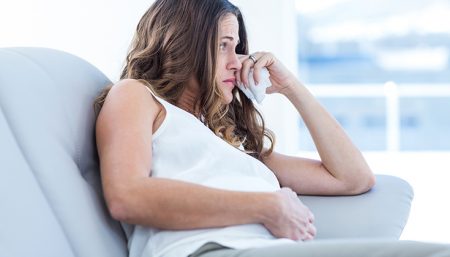
Anxiety is a normal reaction to stress. It helps one deal with a tense situation in the office, study harder for an exam, keep focused on an important speech. In general, it helps one cope. But when anxiety becomes an excessive, irrational dread of everyday situations, it has become a disabling disorder.
Effective treatments for anxiety disorders are available, and research is yielding new, improved therapies that can help most people with anxiety disorders lead productive, fulfilling lives.
Although tension and daily stresses are unavoidable, you can relieve tension and manage stress better by what you do and don’t eat. Here are some ideas for a healthier diet.
Cut out caffeine. Caffeine belongs to a class of chemicals called methylxanthines, which have a drug like stimulant effect on the body. Too many fizzy drinks, coffee, tea or chocolate can overwhelm your nervous system and take you from heightened alertness over the edge into nervousness and, in rare cases, bring on panic attacks. Even if you think you can’t survive without your caffeine fix, try eliminating it for a day and see how you feel. As a central nervous system stimulant, caffeine increases brain activity when taken in doses of 50 to 100 mg or more per day. This is the amount found in one cup of coffee or black tea. When used on an occasional basis, a cup of coffee can have a pleasantly stimulating effect. For women with anxiety and panic episodes due to emotional triggers, caffeine can aggravate the frequency and severity of their episodes. Caffeine taken in excess (more than four or five cups per day) can dramatically increase anxiety, irritability, and mood swings. Even small amounts can make susceptible women jittery. After the initial jolt, women with anxiety symptoms find that caffeine intake makes them more tired.

Drink less alcohol. Many women reach for a drink to calm their nerves, but the consequences of overindulgence can outweigh the benefits of initial relaxation. For some, a hangover, insomnia and dehydration make you feel worse than before you had a drink, and the depressants in alcohol can make you feel sluggish and anxious. Reach for a glass of water or all natural fruit juice when you need a soothing drink, or limit your alcohol to a couple of glasses. Women with moderate to severe anxiety, mood swings, and depression due to PMS, menopause, or emotional causes, should avoid alcohol entirely or limit its use to occasional small amounts. Alcohol, like a simple sugar, is rapidly absorbed by the body. Like other sugars, alcohol increases hypoglycemia symptoms; excessive use can increase anxiety and mood swings.
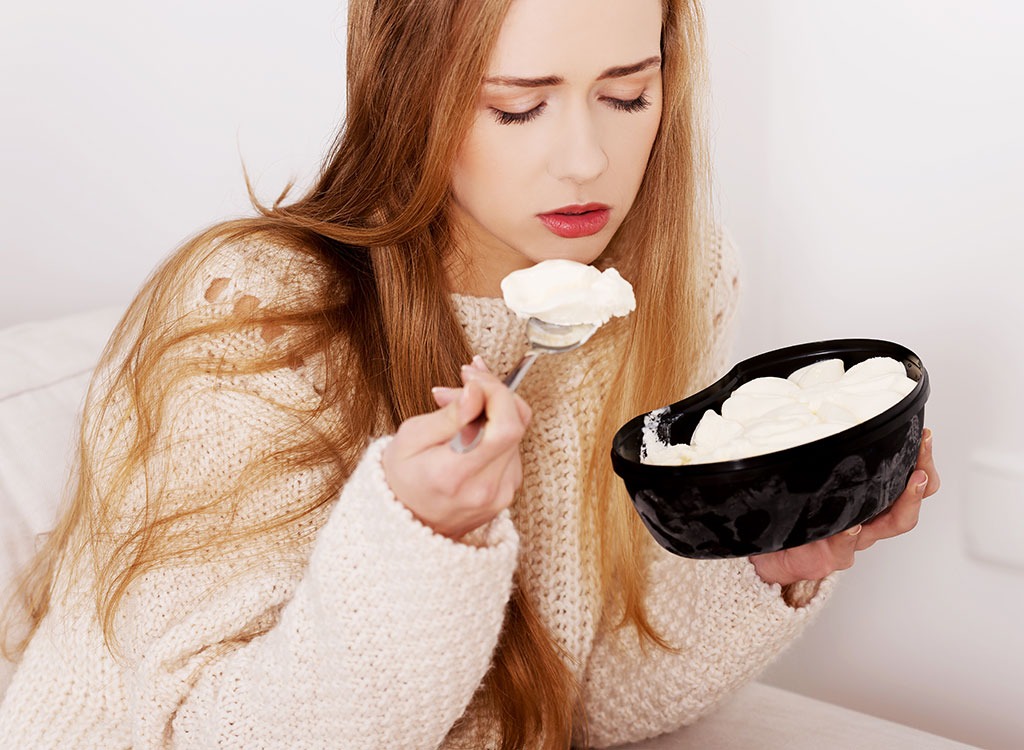
Eat complex carbohydrates. During anxious times, turn to comforting carbs. These foods act as a mild tranquiliser by increasing the amount of serotonin, a calming neurotransmitter, in your brain. Complex carbs, such as potatoes, wholewheat bread and pasta, take longer to digest than sugary simple carbs like white bread, so you stay fuller longer and your blood sugar is likely to stay steady, eliminating stress and anxiety. Eat carbs without fat or protein to feel instant contentment, but note that a balanced diet needs protein and fat as well. Excess sugar can worsen the anxiety, irritability, and nervous tension.
Take a multivitamin and mineral supplement. An unbalanced diet can make you feel fatigued, achy and unproductive, which can lead to feelings of anxiety. B vitamins, whose role it is to unlock the energy in food, are crucial, particularly B-6, which helps manufacture serotonin in the brain. Choose a daily supplement that supplies 100 per cent of the daily recommendation of all vitamins and minerals.
Stay well-hydrated. Be sure to drink eight glasses of water a day and always drink more than you think you need. By the time you feel thirsty, you are already dehydrated. Dehydration can lead to fatigue, headaches and stress.
Rather than fighting to control anxiety–which generally causes more anxiety–it is much better, at first, to learn to control the way you respond to the emotional symptoms.
Disclaimer
The Content is not intended to be a substitute for professional medical advice, diagnosis, or treatment. Always seek the advice of your physician or other qualified health provider with any questions you may have regarding a medical condition.