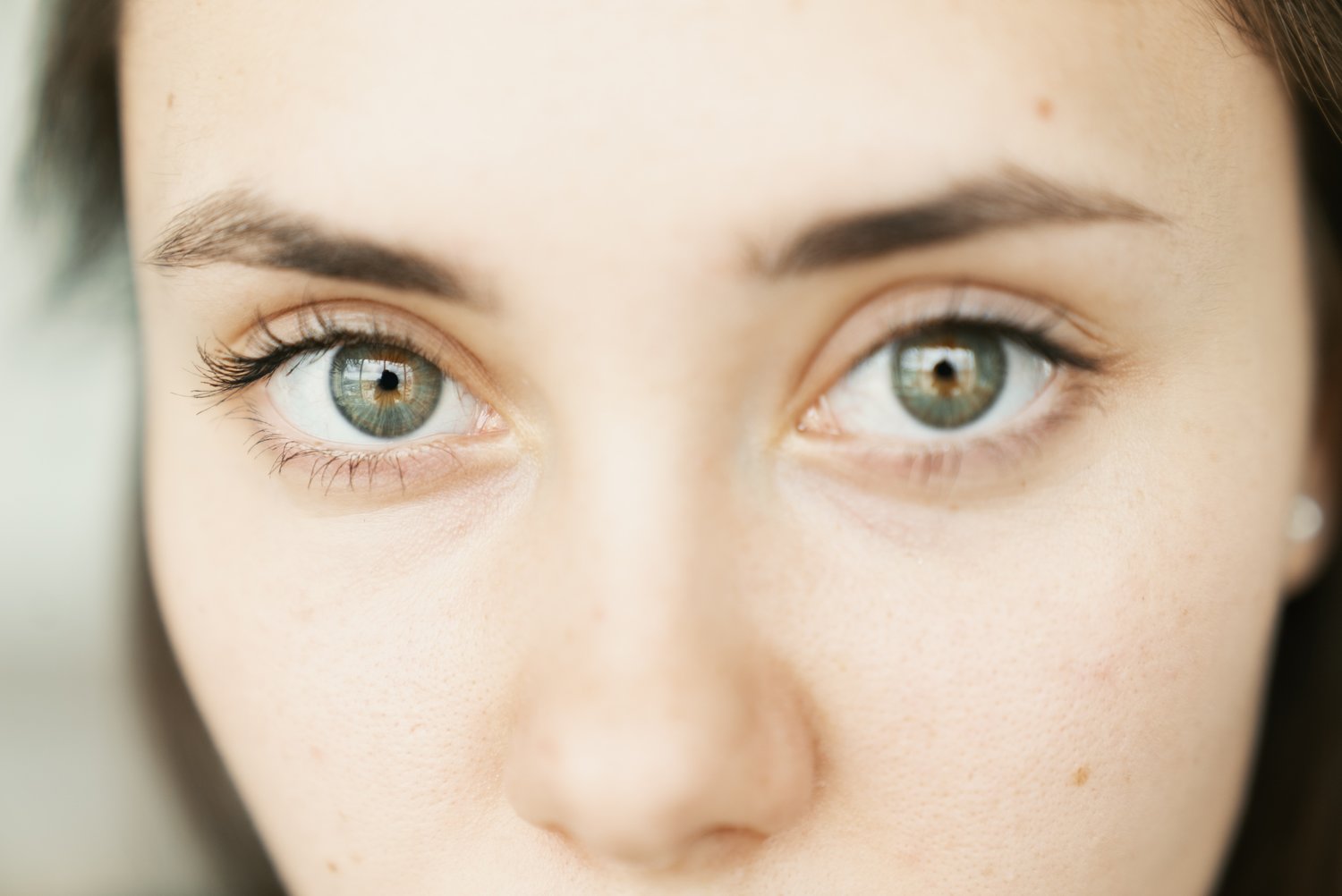
Trichiasis, refers to the condition of the inward growth of the eyelashes. Such inward growth of eyelashes tend to irritate the cornea or conjunctiva, thereby scarring the cornea and may lead to vision loss. Trichiasis also refers to the condition of hair on the nasal fold irritating the eye.
Causes
- Injury to the eyelid can result in Trichiasis. Such injury might tend to heal in a misaligned position that leads to the ingrowth of eyelashes that, in turn, rub the cornea.
- The rotation of the eyelash follicle causing the lash to grow inwards called Entropion, might result in abrasion of the cornea.
- A chronic inflammation of eyelids (Blepharitis), results in scarring of the eyelid edge that, in turn, results in Trichiasis.
- One of the rare conditions, which causes Trichiasis is known as distichiasis in which an extra row of eyelashes forms and such eyelashes grow inwards leading to rubbing the eyeball.
Signs & Symptoms
- Irritating sensation of the eyeball.
- Watering of the eye.
- Redness of the eye.
- Frequent eye infection.
- Discomfort when looking at a bright light.
- In severe untreated cases, the constant rubbing of the surface of the eye may cause an ulcer to develop, which, if left untreated, may result in loss of vision.
Treatment of Trichiasis

Mechanical removal of the Turned in Eyelashes
- Epilation: If there are only 1 or 2 abnormally growing eyelashes, it may be possible to just to pluck out (using forceps) the offending lashes (epilation).This provides only temporary relief as the eyelashes will grow back turning into the eye.
- Artificial Tears/Ointments may reduce the irritating sensation in the eye temporarily.
Permanent Destruction of the Eyelash Follicle
This is the only way to prevent the eyelashes from growing back.
- Electrolysis: After local anesthesia is injected into the eyelid, a small wire is passed down the shaft of the eyelash follicle. An electro current cauterizes the eyelash follicle. This kills the eyelash follicle and keeps the eyelash from growing back. It may take more than one treatment to kill the follicle. Other new lashes may turn in and need treatment in the future. Minimal pain or swelling of the eyelid occurs following the procedure. An imperfect success rate of approximately 50% exists and is due to the inability to be 100% sure that the eyelash follicle bulb is receiving the damaging electrical current.
- Cryotherapy: After local anesthesia is injected into the eyelid, a freezing probe is placed on the eyelid in the area of the trichiasis. This area is frozen killing the eyelash follicle. This procedure usually causes the eyelid to swell leading to some pain and redness. There could be some blistering and scab formation for a few days. Cryotherapy has shown to have the highest cure rate, but comes with associated complications like lid swelling, skin pigmentation, and notching.
- Argon laser: This method has given reasonable success rate, and is currently most used surgical treatment. This laser setting uses Argon blue-green wavelength, spot size 50 to 100 microns, exposure time 0.05 to 0.10 seconds and power 1200 to 2000 mW. Advantages of the technique is precise application and selectivity, lack of complications, non-requirement for infiltrative anesthesia and ease of performance. Disadvantages is the need for up to three treatments in some patients and the technique only being suitable for treating small numbers (up to six) of lashes.
Other Surgical Options
Occasionally surgery to the eyelid itself may be required to either:
- Change the direction of growth of the eyelashes or
- Permanently remove the eyelashes by removing the eyelash hair bearing skin
- Azithromycin has shown a partial response to reduce recurrence rates of postsurgical trichiasis.
Disclaimer
The Content is not intended to be a substitute for professional medical advice, diagnosis, or treatment. Always seek the advice of your physician or other qualified health provider with any questions you may have regarding a medical condition.