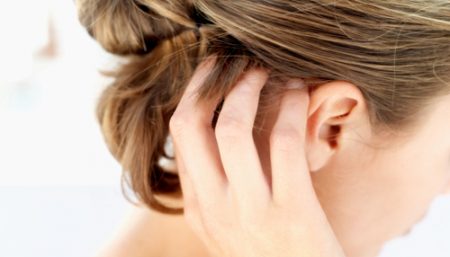
Dry scalp is one common issue that women face, especially in winter where you are moving in and out of heated areas frequently. The skin of the scalp becomes tight and itchy and tiny flakes of dead skin are showered by combing and brushing. Dry scalp conditions are often misidentified as dandruff. Dry scalp occurs when the hair strand exiting the scalp is not being lubricated by the sebaceous gland.
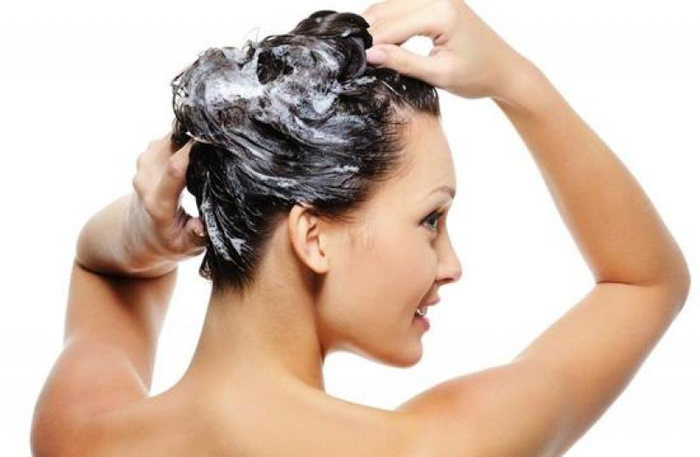
When the scalp is stressed the rest of the hair will suffer as a result.
Possible Causes:
There are a wide range of potential dry scalp causes ranging from allergic reactions to medications or foods, too much sun, environmental conditions (wind, humidity) or over washing and too much heat styling. The weather or dry weather has a proven direct impact on your scalp.
- Sebaceous gland secretion: A dry scalp results from the lack of secretion by sebaceous glands. The oil secreted by these glands is necessary to maintain a healthy balance of natural lubrication in both the hair follicles and the scalp. When a large quantity of this natural oil is not present for some reason, hair becomes brittle and the scalp becomes dry and flaky.
- Shampoo: The use of harsh shampoos is one of the most common reasons for the development of a dry scalp. Essentially, the chemicals in the shampoos remove too much of the natural oil from the hair and scalp. The end result is an itchy and flaky scalp as well as hair that lacks any type of luster or natural body.
- Water: Hard water can also cause a dry scalp. Even if the shampoo product is recommended for dry hair and scalps, it will not work effectively if hard water is used to wash and rinse the area. One of the minerals that effect hair dry and dry scalp is Calcium. Calcium is the mineral that determines hardness of water.
- Diet: A unhealthy diet can also play a role in the development of a dry scalp. Like all functions in the body, the sebaceous glands require the right nutrients to perform properly. Without the right nutrients, the glands will not produce the essential oils. The end result is an itchy scalp and dry hair.
- Hair Type: Although all types of textures of hair can experience dry scalps, those with natural textures such as waves, curls and coils may have more challenges with a dry scalp from time to time because of the natural shape of their hair and the way moisture is naturally lost from their tresses.
- Beauty Treatment: Dry scalps can occur as a result of chemical hair treatments ranging from highlights, lowlights, color, relaxers, straighteners or other chemical treatments.
Tips to combat Dry Scalp:
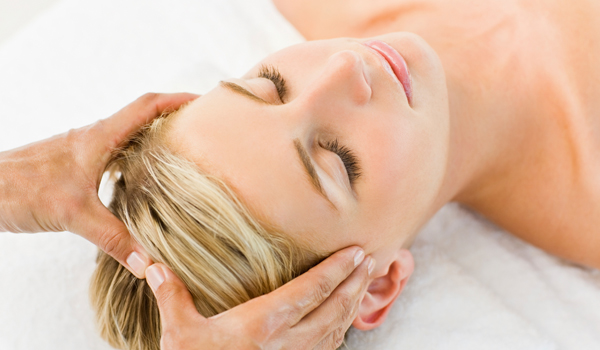
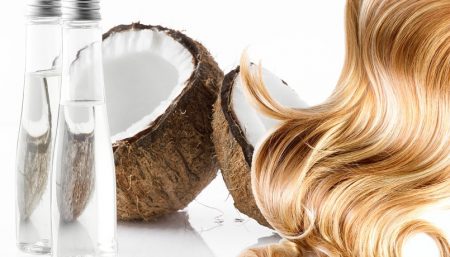
- A great way to get rid of dry hair and scalp is to condition the hair. Add natural oils to your hair like avocado, coconut, jojoba or olive oil to your hair. These oils are great conditioning regimen to use before shampooing the hair.
- You may also use naturals like apple cider vinegar to get rid of dandruff and dry scalp. Most importantly, rinse your hair well and use the proper hair treatment for your hair to avoid having to experience dry hair and dry scalp.
- Choose a shampoo and conditioner designed specifically to treat dry hair and scalp. Lather up with clarifying shampoo weekly. These deep-cleaning formulas rid hair of product buildup and help loosen dead skin cells on the scalp. Turn down the heat. Look for the dry hair formula of your normal shampoo (such as Suave Dandruff Control) or try a product exclusively aimed at dry hair and scalp, such as the Selsun Blue or Head & Shoulders lines of shampoo and conditioner. Look for ingredients like zinc pyrithione, selenium sulfide, or coal-tar.
- Avoid washing hair with hot water: It can zap natural oils from your scalp, making it ultra dry and sensitive.
- Minimize the use of hair products. Hairspray, mousse, hair gels and styling creams all contain chemical ingredients that, with excessive or regular use, can easily irritate your scalp and damage your hair.
- Supplement your diet with foods rich in Vitamins C and B, which promote a healthy scalp, and healthy hair.
Disclaimer
The Content is not intended to be a substitute for professional medical advice, diagnosis, or treatment. Always seek the advice of your physician or other qualified health provider with any questions you may have regarding a medical condition.