Hand Problems
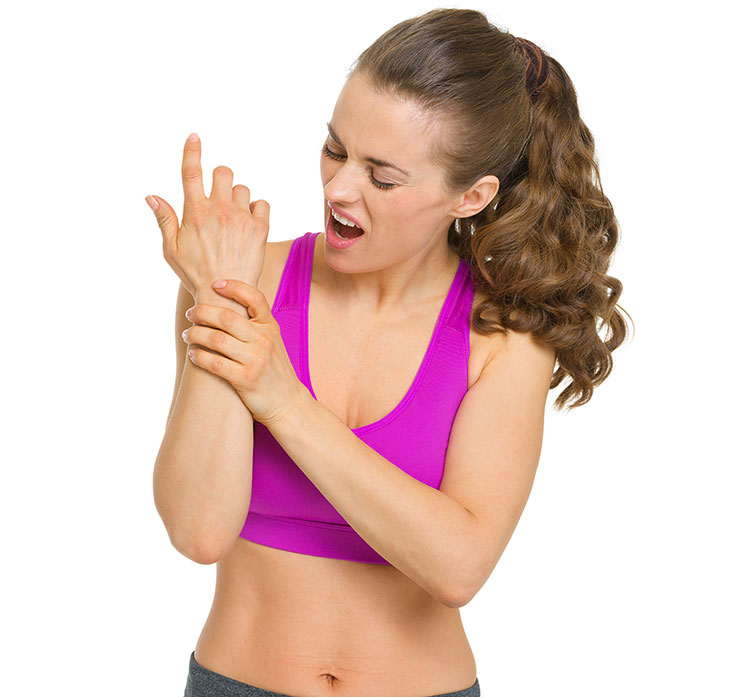
Chapped Hands
Dry, chapped hands are a real problem to anyone who enjoys the outdoors or does heavy housework.
Solution:
- One solution is to use udder cream or Bag Balm.
- Also consider using Vermont White Salve.
- It’s based on formula from Germany that is unique and patented.
- Many perfectly polished beauties swear by traditional petroleum jelly as a protection.
|
Home-Made Wax Cream for chapped hands Ingredient
Making:
|
Dry and Cracked Hands
During the winter season in most climates, heat is turned on and indoor humidity is very low. Add a few hand washing with soap and water during the day and you can easily develop hand problems.
Solution:
The best treatment involves minimizing exposure to soap by using a non-soap cleanser. After hands have been exposed to water, apply a moisturizing lotion or cream. Better than lotion, mashed potatoes will solve this frequent problem. Boil a small peeled potato until soft. Mash with 1 tablespoon olive oil. Apply to hands and leave on for 15 minutes. Rinse with cool water.
For extremely chapped hands, use something you dip from a jar rather than squirt from a bottle. Wax- or paraffin-based products are excellent (the thicker the better). Nail glue works well to close painful cracks. Apply where needed and let it remain on the hands until it wears off naturally. After a minute or two the pain should be gone
Foot Problem
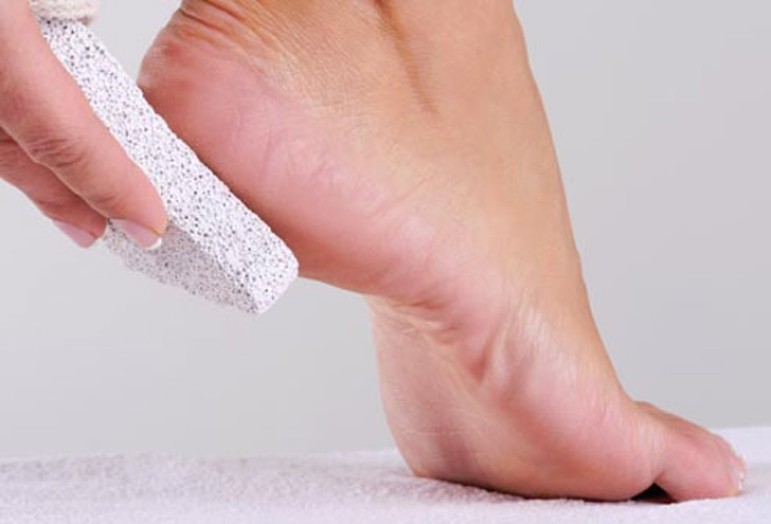
Foot Calluses
Calluses is a thickening of the outer layer of skin. This thickening is known medically as hyperkeratosis. Calluses develop as part of the skin’s normal defense against prolonged rubbing, pressure and other forms of local irritation.
Solution:
Always use a pumice stone.
Razors and other cutters are now illegal for pedicurists to use. Avoid wearing high-heel shoes. For more on Calluses Management, click here
Aching Feet
When your feet hurt, you hurt all over because your feet are the base of your entire bone structure. Besides, Exhaustion and fatigue are not themselves disorders. They are symptoms and can be related to everything from stress to illness and diet.
Solution:
- Practice picking up small objects like marbles or tiny balls with your toes.
- Curl toes under, and hold that position for a few seconds.
- Repeat several times.
- Alternate walking on toes (like a ballerina) and heels every day.
Avoid high heels and tight shoes. It is best to wear wide, low-heeled shoes with soft soles. You could also look into getting custom shoe inserts called orthotics, which can help relieve the pressure and pain. (These may change the distribution of body weight on the bottoms of the feet and thus lessen any excessive pressure on the nerve.)
Nail Problems

Yellowed Nails
Yellowing of the nails could be caused by not using a base coat underneath your polish, or it could be a more serious nail fungus that needs to be treated.
Solution:
Lighten discolored nails with a whitening scrub containing a mild abrasive, or with a remover containing a lemon juice-like ingredient that bleaches out the yellow. To prevent the discoloration that occurs with nail polish stains, always use a base coat of superior quality.
Ridges
Ridges on the nail are, unfortunately, mostly genetic. However, if you have recently developed ridges, this could be a sign of anemia, and you should consult your doctor. Ridges may also be caused by too much pressure and pushing during your manicure.
Ridges can appear either vertically or horizontally. Horizontal ridges called Beau’s lines, can result from severe stress.
Solution:
Though you can’t change heredity, you can smooth the ridged nail surface with a buffer and buffing cream. When grooming your nails, always make an effort to be gentle on them so that they will grow back normally.
White Spots
White spots on the nail can be caused by a blow to the nail, applying too much pressure on the nail matrix during a manicure or too much pressure and pushing on the nail, generally.
Solution:
Let the spots grow out, and make an effort to be gentle when manicuring your nails since prodding beneath the cuticles, where new growth is generated, can cause these spots.
Pale Nails
Although pale nails can be hereditary, more often it is the result of poor circulation or anemia.
The nail beds become opaque, often leaving only a rim of pink nail bed at the top of the nail. The thumb and index nails bilaterally are the most involved.
Solution:
Take an iron supplement or add iron-rich foods to your diet.
Peeling Nails

Fingernails are simply another form of skin, composed primarily of a hardened protein called keratin. Illness, overuse of harsh detergents, nail glue and acetone remover, faulty filing, too much exposure to water are basic causes for peeling nails.
Solution:
- Avoid quick-dry polishes that contain acetone, which can dry out your nails.
- A better treatment to ensure healthy and strong nails is to rub hand cream and nail oil into the cuticles and base of the nails after every time you wash your hands. Always file nails lightly, just enough to shape and keep the layers even.
- Uneven nails have a tendency to peel.
|
Basic steps you can take to ensure the health of your fingernails:
|
Brittle Nails
Brittle nails can be caused by sun exposure, a poor diet or the prolonged use of commercial nail hardeners.
Solution:
Avoid the use of hardeners containing formaldehyde, which has a drying effect on nails, and try using a waterproof coating that seals moisture in the nail and repels water and dirt. Believe it or not, a waxy lip balm can be quite effective at softening nails. Moisturize with an oil or emollient.
There are several on the market, but a vitamin E capsule works just as well.
Dull Nails
After a day or two, polished nails tend to look a bit dull.
Solution:
Hoof Lacquer, the secret weapon of manicurists, keeps nails looking like new. Purchase this product in your local equestrian shop.
Massage a drop of castor oil onto each nail and buff excess away with a tissue.
Your nails will have an all natural high gloss without polish
Artificial Nails
Although artificial nails can make your hands look more attractive, they can seriously damage your own nails. Acrylic nails are the strongest and last the longest of all the nail overlays. The acrylic nails can cause little weakening to the nail plate. Women choose acrylic nails as it is the most commonly-used artificial nail; Besides, if you travel a great deal, it will be easier for you to find a place to repair or fill in your manicure.
If applied and removed correctly, artificial nails do little damage to your nails, but they won’t improve your nails or make them healthier cautions The worst offenders are the stick-on variety, which cause some of the nail surface to get torn away when they are removed.
Another problem is the glue, which can cause an allergic reaction. If water gets trapped under the fake nail, your real nail can turn green, and a fungal infection can set in. You need to maintain a regular visit to manicurist if you decide upon artificial nails.
Ingrown Nails
Ingrown toenails are a common nail problem. The great toenails are particularly vulnerable. Improper nail trimming, tight shoes, or poor posture can cause a corner of the nail to curve downward into the skin. Ingrown nails can be painful and sometimes even lead to infection.
Solution:
Seek treatment for the condition rather than attempting to cut away the nail yourself, as infection may result.
Split Nail
- Apply quick-drying glue to the split, and let dry.
- Smooth with a file or buffer.
- Mend with a tea bag by cutting a tiny piece from the tea bag.
- Cover the split, and dot on nail glue.
- Let dry and smooth with a buffer.
Cosmetic Blunders
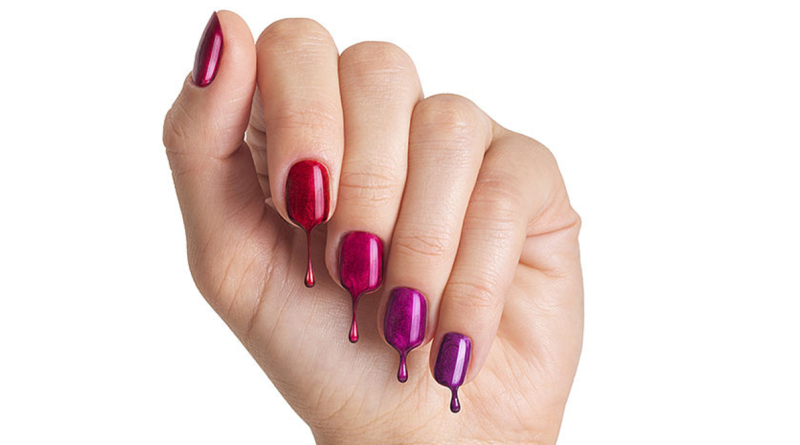
Thickened Nail Polish
- After you’ve had nail polish for a while, it tends to thicken.
- Rather than toss it, turn the bottle upside down, and roll it between your hands.
- Don’t ever add nail polish remover to thin nail polish.
- Although it appears to thin it out temporarily, it will eventually dry the polish out and spoil whatever is left.
- When polish gets so goopy that the colors separate, it’s too old to keep.
Get rid of it.
Chipped Polish
- Use a file and smooth out the chipped polish until the ridge is even with the nail.
- Apply polish only to the chipped area, and allow it to dry.
- Re-coat the entire nail.
Smudges
- Apply polish remover to smudged polish to smooth out.
- Let it dry, and follow up with a thin coat of polish.
Sounds Fishy
- When you’re looking for a superior nail enamel, locate the type that contains ground herring scales.
- This strange ingredient is known in the industry as natural pearl.
- It gives polish its extra shine and causes it to stay pure for
a longer period of time.
Short-Life Manicures
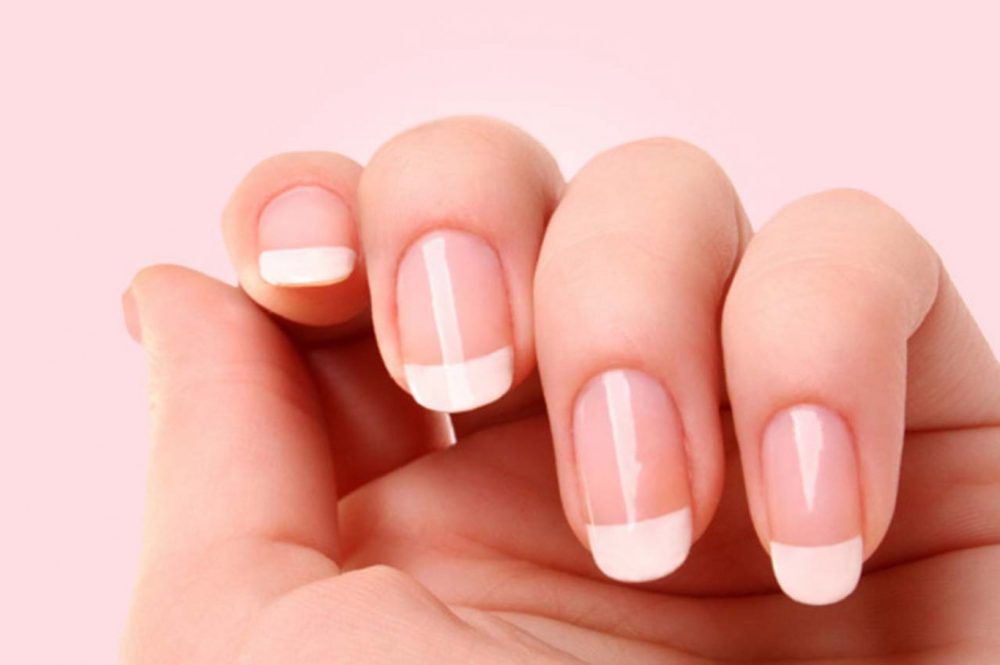
- There are new products on the market that will allow a manicure to last twice as long.
- One example is Mega Hard by L’Oreal.
- This hardener contains Kevlar, the same hi-tech material used in bulletproof vests.
- Also try One Step by Orly, which contains both Kevlar and raw silk fibers.
More Tips
- Let fingers rest at least a day between manicures.This allows the nail a chance to “breathe”.
- Add 1/2 teaspoon of sugar to a dollop of hand cream, and massage the entire hand.This smoothens and softens.
- Always wash hands thoroughly before a manicure.If it’s necessary to clean hands after nails are done, use a cleansing pad.Soap and water washes away protective creams left over from the manicure.
- Use an old eyeliner brush dipped in nail polish remover to clean up a messy manicure.
- Look for Teflon, the trademarked name that revolutionized the cooking industry, in nail products.
- Use a face mask to treat your hands and feet.Hydrating masks work especially well.Gently file nails every other day to keep tips smooth and prevent snags and breaking.
Disclaimer
The Content is not intended to be a substitute for professional medical advice, diagnosis, or treatment. Always seek the advice of your physician or other qualified health provider with any questions you may have regarding a medical condition.