Infertility is a term that is generally applied when a couple fail to conceive following unprotected sex over a period of a year to eighteen months. Many infertility treatments, focus on the actual mechanics of fertilisation, when often the overall condition of the body is the key to successful conception.
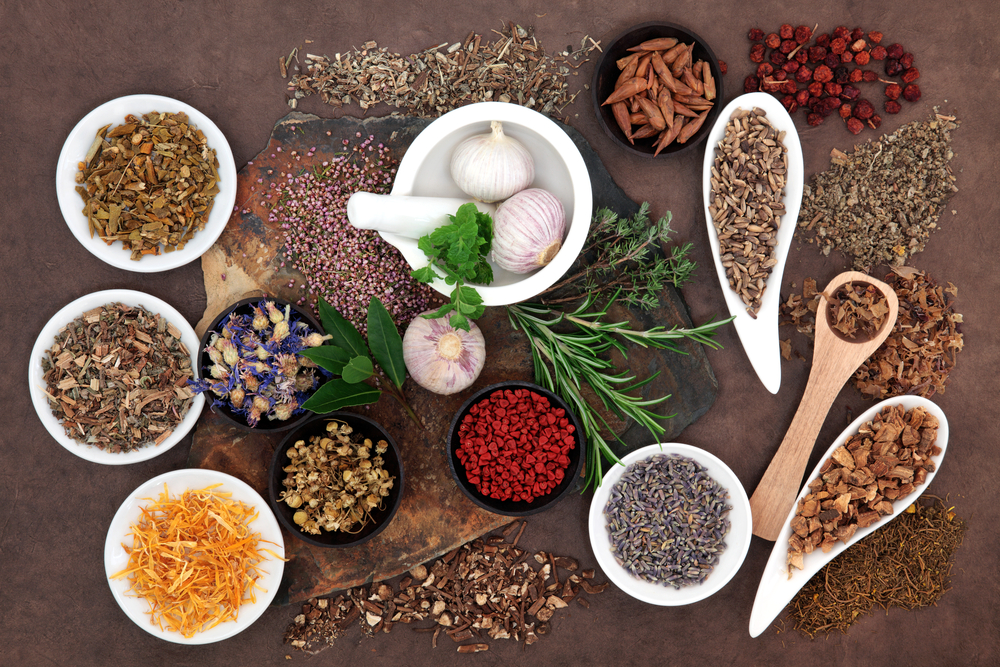
Herbs have been used for hundreds of years to treat every ailment that exists. After all, plants were the only medicine available to our ancestors and the human race has survived, so they must have been doing something right!
There are many root causes that can inhibit the processes necessary for fertilisation, such as stress, illness, a hormonal imbalance and poor diet. These are just some of the factors that can affect the organs that all play an important part in the process of reproduction.
There are certain herbs which can eliminate the need for all those uncomfortable, invasive tests that are so often part of the infertility diagnosis process. Herbs help to strengthen and nourish the organs and systems responsible for the intricate process of successful conception, in addition to promoting a general feeling of well-being, which is crucial before, during and after pregnancy.
At this stage It is important to mention, however, that once conception has taken place, there are some herbs that should never be taken during pregnancy.
Below is a list of some of the popular herbal remedies that can be used to treat male and female infertility.
For Women:
1. Agnus Castus:
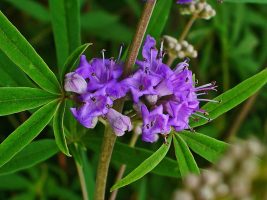
Agnus Castus is the fruit of a Mediterranean shrub, Vitex agnus-castus, which is also known as the chaste tree. Chaste tree fruit contains iridoid glycosides, flavonoids, and terpenoids. This acts as a hormone regulator and will help if you have irregular periods or if you are not ovulating due to a hormonal imbalance. Agnus Castus is also useful if you are prone to miscarriage before the twelfth week of pregnancy and can also help with PMS and menopausal symptoms.
A ¼ of a level teaspoon of the dried, crushed berries can be sprinkled on food, the best time being first thing in the morning. Alternatively, one cup of the decoction can be taken daily.
Caution: Agnus Castus should not be taken in conjunction with Progesterone supplements.
2. False Unicorn Root:
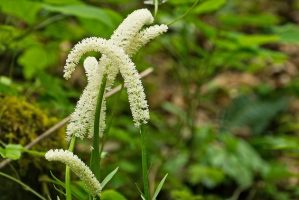
Although this has been used for centuries as a fertility aid, False Unicorn Root is an endangered species, so should only be used if absolutely necessary.It helps to regulate the ovaries and strengthen the lining of the womb.
Caution: False Unicorn Root should never be used during pregnancy.
3. Red Clover:
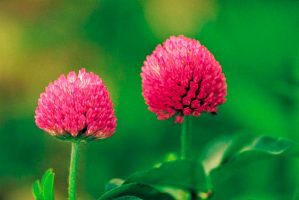
Red Clover is a very common plant with bright pink blossoms and is renowned for its fertility-enhancing properties.
The leaves and blossoms are rich in B vitamins, calcium and protein and also helps to detoxify the blood.
Up to four cups of the decoction (made from dried, not fresh, blossoms) can be drunk a day, but you may need to take this for some time to reap the full benefits.
Caution: Red Clover contains blood-thinning properties, so should not therefore be used following surgery or in patients with blood-clotting disorders.
4. Wild yam extract:
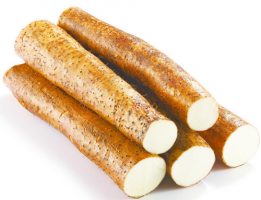
Wild yam is a winding vine with a starchy yellow rhizome similar to a potato. It grows in Mexico, Canada and the United States. Wild yams contain a sapogenin called diosgenin. Diosgenin is a precursor to the hormone progesterone. Yams do not. actually contain progesterone, but they do contain “plant estrogen” which does produce estrogenic effects which have been shown to be valuable in relieving female problems.
In pregnant women, it is prompt in relieving the nausea associated with morning sickness and can help prevent miscarriage. Yam has long been used to nourish, balance and support the female glandular system.
Caution should be used when using wild yam as a contraceptive because it may not be effective in preventing pregnancy.
5. Dong Quai/Angelica polymorpha sinensis:
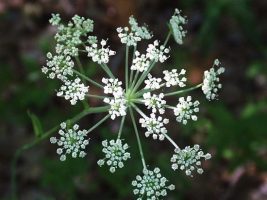
Dong Quai is an aromatic chinese herbal remedy made from the root of angelica sinensis, which is growing at high altitudes in China, Korea and Japan. The root has a strong smell and a sweet taste. Dong Quai is known as a tonic herb for women and is used by women in the treatment of female disorders such as premenstrual syndrome, menstrual cramps and to help them with menopause. Especially in combination with other herbs, dong quai is very effective for menopausal and menstrual difficulties. It is also commonly described as the supreme “woman’s herb”, and as the “queen of Chinese herbs”.
Caution: Dong quai is considered to be of very low toxicity, but it may cause some fair-skinned persons to become more sensitive to sunlight. It should also not be taken in large quantities by pregnant women.
6. Licorice Root:
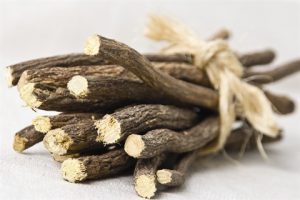
Licorice Root comes from a tall shrub with bluish flowers of the pea family and is found all across Asia and Europe. The root is used medicinally and is one of the most important herbs in traditional Chinese medicine. Licorice Root helps boost immunity, reduce inflammation, protect the liver and ease menopause problems. Many women’s herbal formulas include licorice for its estrogenic properties as an aid to normalize and regulate hormone levels during menopause
Caution: Excessive use of Licorice extract may raise blood pressure, cause water retention, headache and potassium loss.
7. Hops Flower:
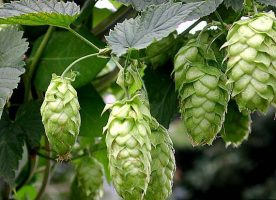
Hops flowers (Humulus lupulus) are native to Europe and western Asia, and they are commonly known as a principal ingredient in beer.
Not recommended for use by persons suffering from depression.
8. Black Cohosh:
The herb black cohosh, or Actaea racemosa (formerly named Cimicifuga racemosa), is native to North America. The roots and rhizomes of this herb are widely used in the treatment of menopausal symptoms and menstrual dysfunction.
Researchers studying Black Cohosh have isolated chemical derivatives mimicking the effects of estrogen, supporting the use of the herb in the treatment of female conditions.
Caution: Consuming large amounts are known to cause nausea, dizziness and vomiting. Expectant mothers should only use Black Cohosh under the supervision of a health professional, since Black Cohosh has a reputation of stimulating the uterus to speed childbirth, and large doses could lead to premature birth.
For Men:
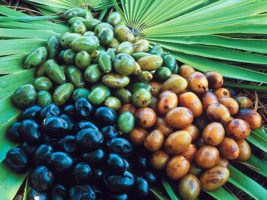
9. Saw Palmetto Berries:
These are the berries from a small, palm-like plant that is found in the US and the West Indies. Saw Palmetto has the effect of stimulating the sex hormones and can also be used to treat prostate enlargement. A decoction can be made from ½ teaspoon of berries to one cup of water. One to two cups should be drunk daily.
10. Damiana Leaf:
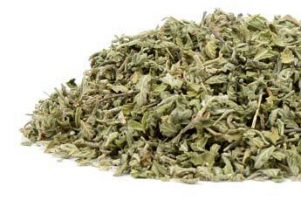
Damiana is a small, aromatic shrub grown in South America. The leaves act as a stimulant for the reproductive system, as well as acting as an aphrodisiac and an aid for impotence. Traditional, it has been used as an aphrodisiac, which may be due to an alkaloid that acts like the male hormone testosterone–an increase which is associated with a heightened level of sex drive in both sexes.
Caution: Excessively large doses of Damiana may result in over-stimulation.
In addition to herbs, evidence suggests that Zinc, Vitamin E and Vitamin B6 can help to increase fertility. Zinc deficiency has been linked to low sperm count and a loss of libido in men and reduced fertility in women.
There are many herbs that can be used to treat various aspects of infertility and these can be discussed with a specialist. As with any method of self-help, it always wise to consult an expert before attempting to administer a cure yourself, but with careful management natural cures are definitely the preferable and safest option.
Decoction:
A standard decoction can be made using 40g (1½ oz) herb to 750ml (1½ pints) water. Method: Place the herb in a saucepan with the water. Put on a lid and bring to the boil and then simmer gently for 10-15 minutes. Strain the liquid and pour into a clean container. This decoction should keep in a refrigerator for around two to three days.
Warning: Herbs should never be taken in conjunction with any other type of fertility drugs and some herbal remedies may actually reduce fertility, such as St John’s Wort, Ginkgo and Echinacea.
For an easy-to-follow fertility guide that charts the herbal remedies that can be taken during each stage of the menstrual cycle, click here for more information.
Related Links
Disclaimer
The Content is not intended to be a substitute for professional medical advice, diagnosis, or treatment. Always seek the advice of your physician or other qualified health provider with any questions you may have regarding a medical condition.