Chocolate is made from plants, which means it contains many of the health benefits of dark vegetables. These benefits are from flavonoids, which act as antioxidants.
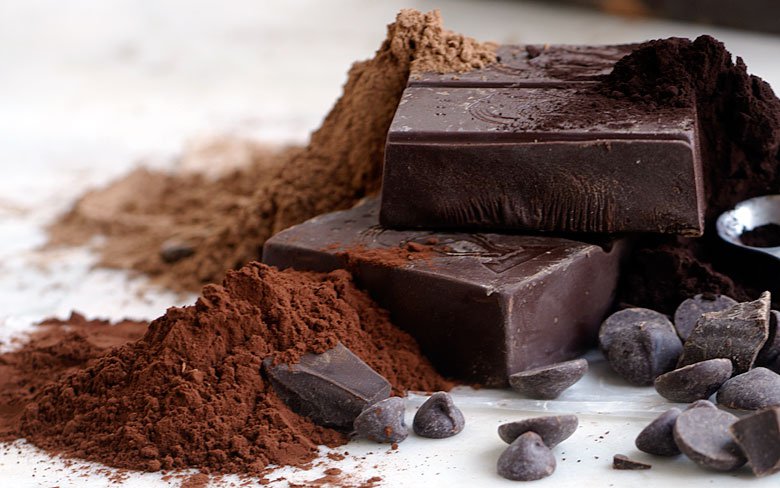
There is no legal, manufacturing definition of what makes a chocolate “dark,” but in general it contains a higher percentage of chocolate liqueur or cocoa solids and less milk and sugar than milk chocolate. This gives dark chocolate a stronger, more intense flavor than milk chocolate. According to, What is Dark Chocolate? in Happy Living Magazine” Most dark chocolates contain between thirty-five and fifty percent cocoa products, a ratio favored by gourmet bakers. Higher quality dark chocolates may be as much as eighty percent cocoa products, and European varieties are typically darker than American-manufactured dark chocolates. Because of the higher concentration of cocoa products, dark chocolate is slightly more expensive than milk chocolate.
The Food and Drug Administration (FDA) has established standards of identity for many chocolate and cocoa products in the United States. The standards define the percentages of key ingredients that must be present in each type of chocolate.
Dark Chocolate produced by the grinding of the cocoa bean nib (center) to a smooth liquid state. There are standards for both Semisweet (Bittersweet) Chocolate and Sweet Chocolate, both of which are often referred to as dark chocolate.
Semisweet (Bittersweet) Chocolate contains chocolate liquor with added cocoa butter and sugar. The government standards require at least 35 percent cocoa butter. Fat content may vary but averages between 30-35 percent.
Sweet Chocolate contains more sweeteners and cocoa butter than semisweet chocolate. The level of chocolate liquor must be at least 15 percent to meet the standard.
Milk Chocolate is the most frequently consumed type of chocolate in the U.S. Milk chocolate contains sweeteners, chocolate liquor, cocoa butter, milk (or cream), and flavors. Milk chocolate must contain at least 10 percent chocolate liquor and 12 percent milk solids to meet the US standard of identity. The only fats allowed in milk chocolate are cocoa butter and milk fat.
White Chocolate contains the same ingredients as milk chocolate with the exception of chocolate liquor or cocoa powder. White chocolate must contain at least 20 percent cocoa butter, 14 percent total milk solids, and less than 55 percent sweetener (sugar).
Health Benefits:
- Libido BoosterChocolate is full of anandamide and phenylethylamine, two compounds that cause the body to release the same feel-good endorphins triggered by sex and physical exertion. Cocoa also contains methylxanthines, which make skin sensitive to every touch. Aim for dark chocolate, which packs more cocoa than lighter milk chocolates, and keep portions small.
- A good Source of ZincZinc is an essential mineral required by the body for maintaining a sense of smell, keeping a healthy immune system, building proteins, triggering enzymes, and creating DNA. Unsweetened baking chocolate provides 9.6mg (64% RDA) of zinc per 100g serving (most bars are 50-100 grams). Cocoa powder will provide 6.8mg (45% RDA) per 100g, or 5.4mg (39% RDA) per cup, 0.3mg (2% RDA) per tablespoon. Most milk chocolates provide around 2.3mg (15% RDA) per 100g serving or 1mg (7% RDA) per bar
- Good for the Heart
Dark chocolate has been shown in a number of studies to be good for cardiovascular health. A new study in Sweden has shown that women have less heart failure if they regularly ate dark chocolate high in flavonoids. This study (reported in Circulation: Heart Failure. 2010 – Journal of the American Heart Association August 16th, 2010) of over 30,000 Swedish women over a period of nine years found that these 48-83 year old women had a lower rate of heart failure if they regularly ate dark chocolate. Benefits associated with dark chocolate in past studies include improved flexibility of the arteries, which can contribute to lower blood pressure, and reduced stickiness of clot-forming blood components called platelets, which might reduce the risk of strokes and other problems associated with unwanted clotting.

- DiabetesA recent study done by Italian researchers suggests that flavonols present in chocolate can improve the utilization of insulin in diabetic patients. Dark chocolate consumption accelerated the body’s metabolism of blood sugar, or glucose, a process that involves the hormone insulin. Impaired insulin function can lead to diabetes. The researchers stated, “Our findings support a potentially beneficial action of chocolate flavonols on insulin sensitivity, and suggest further research in this area.”
- Control Blood Pressure
Plant phenols from the cacao plant help lower blood pressure. In fact, dark chocolate contains higher concentrations of flavonoids than tea and red wine, if it is properly manufactured, and it has twice the antioxidants of milk chocolate. Standard manufacturing, however, destroys up to half of chocolate’s flavonoids, making it less beneficial. Ferri and his colleagues tested a diet containing 100 grams per day of dark chocolate, in the form of commercially available “Ritter Sport” bars sold by Germany-based company Alfred Ritter. Blumberg’s lab determined that each bar contained about 100 milligrams of flavanols, which are flavonoids that are relatively easy to measure. Blumberg estimates that there were about 400 milligrams of other flavonoids in each bar. For 15 days, 10 volunteers with high blood pressure got those bars and 10 others ate white chocolate bars that contained no flavanols. After a 1-week break, the two groups switched the chocolate they were eating. During the half month when volunteers ate dark chocolate, their average systolic blood pressure decreased from 136 to 124 millimeters of mercury. Diastolic blood pressure fell from 88 to 80. There was no change in blood pressure in people while they ate white chocolate bars. - Cholesterol Management
Some of the fats in chocolate do not impact your cholesterol. The fats in chocolate are 1/3 oleic acid, 1/3 stearic acid and 1/3 palmitic acid: - Oleic Acid is a healthy monounsaturated fat that is also found in olive oil.
- Stearic Acid is a saturated fat but one which research is shows has a neutral effect on cholesterol.
- Palmitic Acid is also a saturated fat, one which raises cholesterol and heart disease risk.
That means only 1/3 of the fat in dark chocolate is bad for you.
The cocoa bean, from which real chocolate is derived, is a natural product and therefore contains many chemicals that can interact with the human body. For example, chocolate contains caffeine and we all know what caffeine does to the body. It turns out that chocolate also has little miracle compounds called antioxidants.
The blood is a war zone of sorts. Much of what we eat ends up in the bloodstream and certain things can injure the blood vessels. One way that the blood vessels are injured is through the action of oxidants sometimes called reactive oxygen species. In fact, atherosclerosis involves various pathways of oxidative damage. Antioxidants, on the other hand, are the heroes of the blood vessel war.
Dark chocolate neutralizes chemicals that would otherwise harm the blood vessels. The main antioxidants in chocolate are polyphenols which are similar to the antioxidants found in green or black tea. These plant polyphenols can neutralize reactive oxygen species such as superoxide. About three ounces of pure dark chocolate contains the same amount of polyphenols as one cup of black or green tea. Moreover, the beneficial effect of cocoa on LDL oxidation is roughly equal to that of red wine and tea. Therefore, chocolate has other beneficial effects on blood vessel health than simply its ability to improve levels of plasma cholesterol.
- Role in Weight Loss
Dark chocolate benefit extends to the suppression of appetite and weight control. This may also help to elevate mood in the long term, as excess weight and obesity are often causes of depression. A recent study from Japanese researchers supports the idea of chocolate being a weight control tool, finding that regular consumption of cocoa was able to prevent obesity and weight gain in animal subjects. The study also showed that the body weight and blood-lipid levels were significantly lower in the cocoa-fed group than in the control group. Analysis also showed that in the cocoa-diet group, metabolism and storage of fats was restricted and the fat burning mechanism was increased. Cold pressed dark chocolate is very high in antioxidants. It seems that very high regular daily doses of antioxidants (over 100,000 ORACfn daily) may help the body get rid of fat by repairing the free radical damage. Additionally, phenylethylamine (PEA) improves mood, which in turn decreases food cravings. Food addiction is like drug addiction; consequently, cocoa can minimize food cravings and addictions by delivering the right chemicals.

- Oral Health
Tannin in cocoa may help to prevent tooth decay by reducing the growth of plaque because the oxalic acid in chocolate appears to lower acid production. “So, eating the world’s favorite chocolate will not cause tooth decay,” stresses Dr. Kosinski. “Just remember to always brush your teeth.”
- Improved Digestion
Chocolate is a histamine blocker, helping decrease stomach acid and possibly improving digestion. Experts point out that dark chocolate in the cellulose with the promotion of intestinal peristalsis, helping digestion and gastrointestinal function, while isoflavones inhibit intestinal chloride ion secretion, can alleviate the symptoms of diarrhea. At the same time, dark chocolate in the polyphenol composition, also can inhibit the intestinal intestinal protein, chloride ion and water secretion and absorption, and slow down water loss and prevent people from diarrhea and dehydration.
Experts recommend a daily consumption of adults not more than 100 grams, children and young people between the two meals in a day or after exercise to eat a lot of dark chocolate, each time 5 ~ 25 grams.
Disclaimer
The Content is not intended to be a substitute for professional medical advice, diagnosis, or treatment. Always seek the advice of your physician or other qualified health provider with any questions you may have regarding a medical condition.