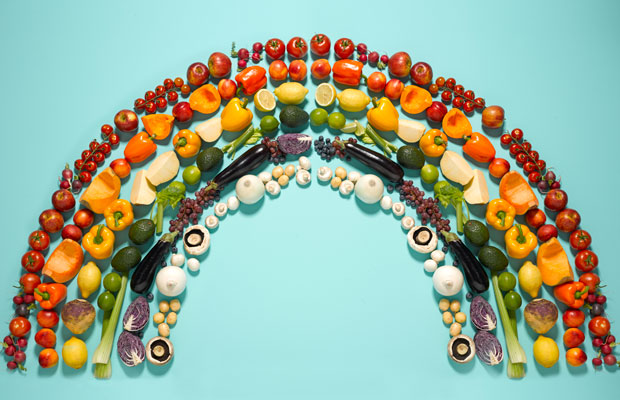
According to WF Nutritionists, eating across the food rainbow is vital for a healthy life – everyone should eat something from each color range every day. This article will help you find the foods to choose, to boost your health.
Green:
- Broccoli: Being part of the cruciferous vegetable group, it is rich in the groups of phytochemicals called indoles, dithiolthiones, and isothiocyanates that are associated with reduced cancer risk. It is a good source of vitamins A and C (when raw or only slightly cooked) potassium, and fibre. Broccoli is also rich in iron, folic acid, calcium and riboflavin. It also contains large amounts of betacarotene, which is important antioxidant.
- Spinach is a rich source of iron, and vitamins and contains substances called xanthophylls, such as lutein, important for healthy eyes.
- Avocados are packed with vitamin C, fibre, potassium and vitamin E.
- Wheatgrass, which help proper cell function and digestion.
- Green tea: It contains high quantities of polyphenols, vitamins and minerals. Polyphenols are powerful antioxidants that have been shown in numerous studies to fight viruses, slow ageing, and have a beneficial effect on health.
Red:
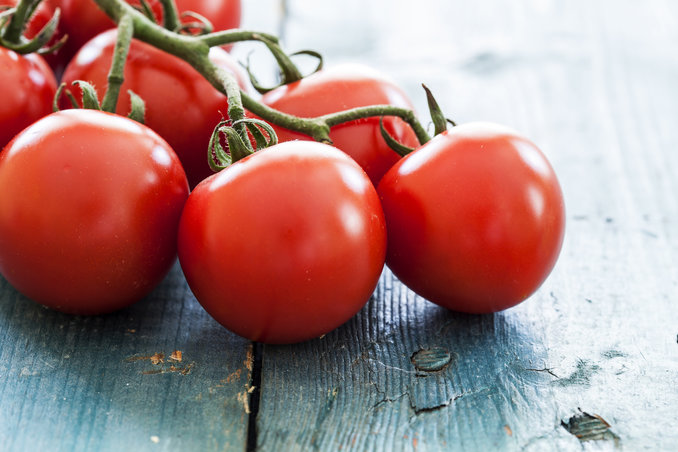
- Tomatoes: Lycopene, the red colour in tomatoes, is a powerful antioxidant with cancer-fighting properties.
- Watermelon: The flesh contains key antioxidants, while the seeds are rich in vitamin E, essential fats, selenium and zinc.
- Strawberries: are rich in coumarins – which prevent the formation of cancer-causing nitrosamines in the body – vitamin C and phenols, which have strong antioxidant properties.
- Pomegranate: known as “jewel of winter” has been well acclaimed for its disease fighting antioxidant properties.
Orange:
- Carrot: This Bugs Bunny favourite is chock-full of beta carotene, and a single carrot will supply your day’s requirement of vitamin A. Carrots have protective action against excess radiation and ultra-violet rays. Carrots also help increase your red blood cell levels. Carrots contain B vitamins, vitamin C, calcium and potassium.
- Oranges, Sweet Potatoes, Pumpkin, Squash, Apricots, Mangoes: All are rich in beta-carotene, which can be converted into vitamin A, as well as vitamin C. Sweet potatoes are also a rich source of vitamin E. Aside from protecting against aging, a range of cancers and heart disease, any food containing beta-carotene helps keep the retina healthy and guards against cataracts and age-related macular degeneration (AMD), the most common cause of blindness in the elderly.
- Papaya: Compared to other fruit, papaya has more carotene, which, is converted to vitamin A. Its comparatively low calorie count makes it a favourite with women on a diet. Papaya also has a fairly high vitamin C content. The enzyme papain, which is present in papaya, is a good aid to digestion. It is the ideal food for invalids because the flesh is easy to chew and swallow.
Yellow:
- Corn, Yellow Peppers, Turmeric and Mustard: These all contain circumin, a potent anti-inflammatory and painkiller. Concentrated circumin has been found to reduce pain in arthritis patients as effectively as pharmaceutical drugs. Eating the foods or condiments three times a day can have a mild anti-inflammatory effect.
- Bananas: These are the main source of dietary potassium used in nerve impulses – and a good source of energy.
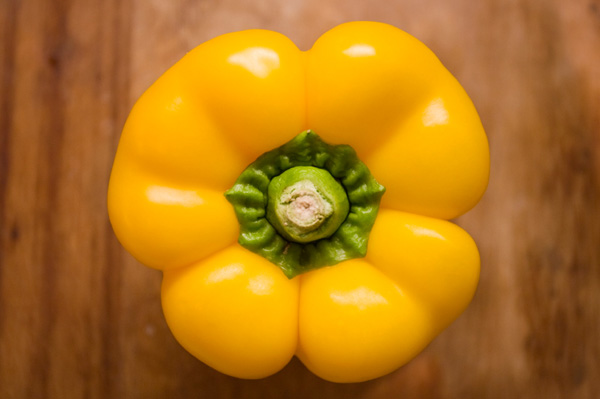
- Lemons and Grapefruit: Citrus fruit contain high levels of vitamin C, one of the most powerful immune-boosting antioxidants. Limes have powerful anti-septic properties and are great source of bio-flavonoids and B Vitamins.
- Soya: is an excellent source of high quality protein, is low in saturated fats and is cholesterol free. Soya beans contain high concentrations of several compounds which have demonstrated anti-carcinogenic activity. These include isoflavonoids, protease inhibitors and phytic acid. Soya diets have also been shown to reduce levels of serum cholesterol.
Blue:
- Red Cabbage: Rich in beta-carotene, to fight a range of age-related diseases and cancers.
- Blueberries and Blackberries: Fruits with a purple/blue colour, such as black grapes, bilberries, blackcurrants and blueberries, are rich in flavonoids – very powerful antioxidants and anti-inflammatory agents. Eat berries when available or supplement them with concentrated extracts.
- Beetroot: is a rich source of folic acid, essential for pregnant women to reduce the risk of spina bifida and other neural-tube defects.
- Cherries: Rich in anthocyanidins, a type of bioflavinoid, which fight cancer and help combat types of arthritis and gout.
The above mentioned foods contribute towards building a strong immune system and a healthy well-nourished body. Remember the bright, vibrant colours of different foods which attract us – tend to be richer in key substances that offer protection against disease.
Disclaimer
The Content is not intended to be a substitute for professional medical advice, diagnosis, or treatment. Always seek the advice of your physician or other qualified health provider with any questions you may have regarding a medical condition.