A sufficient weekly volume of exercise can lower both total cholesterol and LDL-cholesterol and increase HDL-cholesterol (the ”good” cholesterol).
Exercise itself does not ”burn off” cholesterol like it can with fat tissue. However, when exercise is of sufficient volume, for example, an adequate weekly frequency and duration, it can significantly reduce triglycerides and stimulate several metabolic enzyme systems in the muscles and liver to convert some of the cholesterol to a more favorable form, such as HDL-cholesterol. Reducing triglycerides decreases triglyceride-rich particles that are known to promote the growth of fatty deposits on artery walls.
Exercise is of tremendous benefit when used in combination with either of the two forms of therapy, namely reduced intake of high-glycemic carbohydrates and trans-fat foods. For those who maintain a frequent and sufficient level of exercise, it is possible that their physician will reduce their cholesterol-lowering medication and in some cases stop it altogether.
| Regular exercise affects your cholesterol and triglycerides in two main ways.Exercise helps lower triglycerides, which at high levels are linked to coronary artery disease.Exercise also raises your levels of HDL, or the “good” cholesterol. |
Here are guidelines that outline a systematic approach for favorably altering cholesterol levels with regular exercise:
- If you do have a less-than-desirable cholesterol level, or your doctor has told you have a cholesterol disorder, have your physician establish your cardiovascular health status before engaging in a vigorous exercise program. Your physician may elect to perform additional blood tests (e.g., C-reactive protein) and/or a graded exercise test with an ECG (treadmill stress test) on you first.
- Choose dynamic forms of exercise that tend to last at least 20 to 30 minutes and are performed at moderate intensities. Moderate exercise intensities would be an approximate effort of four to seven, on a scale of one to ten with ten being near maximal exercise.
- In general, for exercise to significantly lower cholesterol levels, a relatively high volume of exercise is recommended (e.g. 1,500 kcal or more per week). In 12 to 16 weeks this volume of exercise can reduce total cholesterol by 10 to 20 percent. Fifteen hundred calories expended during exercise is equivalent to about three to four hours per week for the average unfit person performing moderate intensity walking, swimming, walk-jogging or cycling. This volume of weekly exercise is approximately the same volume of physical activity required to lose weight. As a result, fat weight loss tends to be associated with increases in HDL-cholesterol and reductions in total cholesterol and LDL-cholesterol levels, especially fat lost around the waist and abdomen.
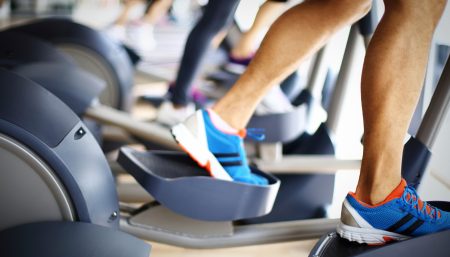
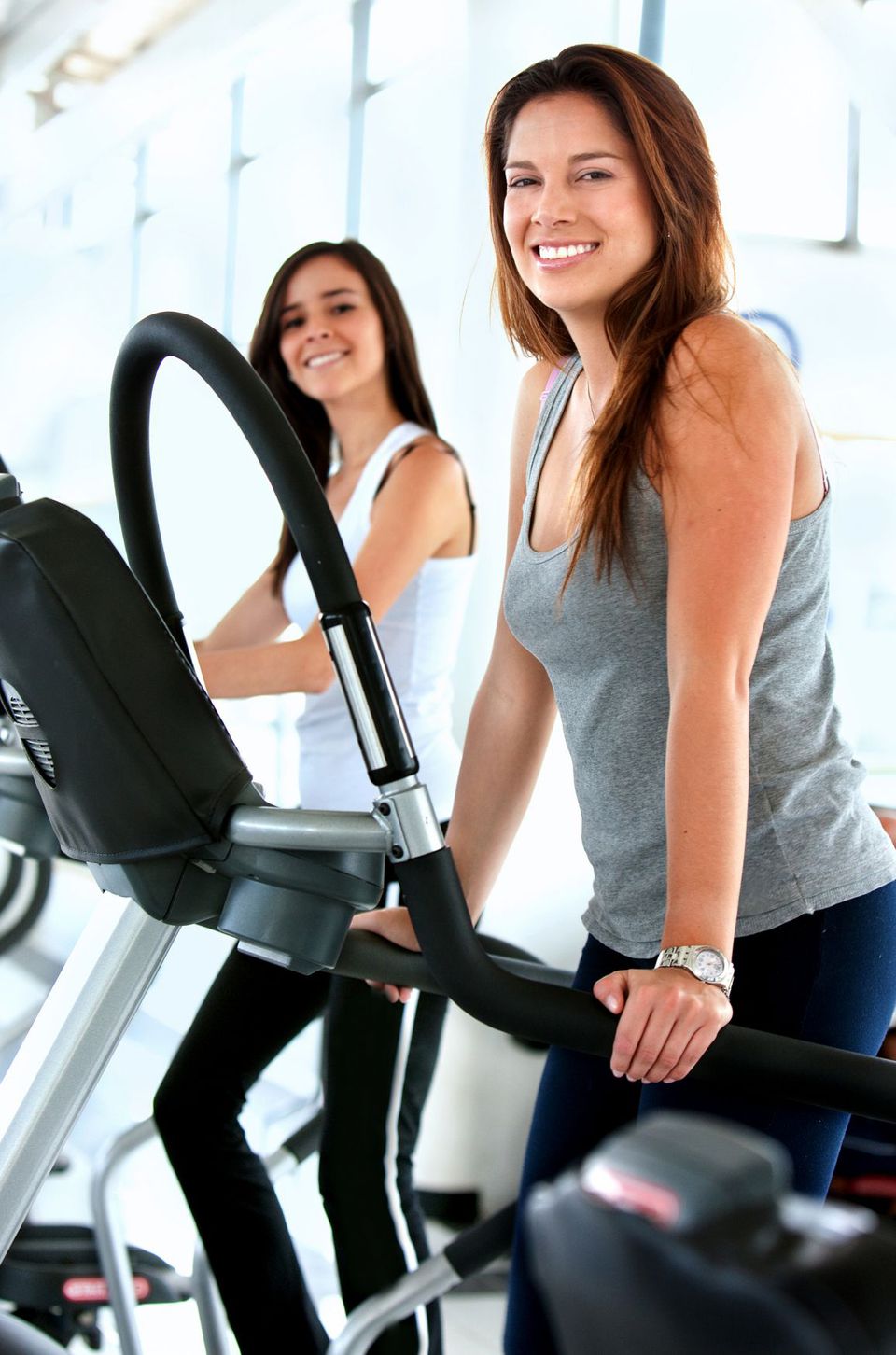
- If you climb on the elliptical trainer, set the resistance for 3 and the time for 45 minutes.
- A number of studies on resistance training have shown very powerful effects on cholesterol metabolism. Especially if you do moderate strength training at high frequency — circuit training with 10 reps each cycle and three cycles of each circuit — you can get very nice improvements in your triglycerides and HDL.
A sample program would be to start with walking 20 minutes per day, four days a week. Over six to eight weeks graduate this program to one hour, six to seven days a week of walking over hilly (variable) terrain or walk-jogging over relatively flat ground. An alternative would be to walk 50 to 60 minutes three days a week and take an aerobic class three days a week and perhaps two to three sets of singles tennis on the seventh day.
It is important to know that lower volumes of weekly exercise can still produce many other benefits, such as improved fitness and overall health, reduced blood pressure, and increased psychological well being.

WF health experts recommend a combination of three forms of exercise to get the most health benefit.
- Aerobics to get your heart rate up-Aerobic exercises include: walking, jogging, jumping rope, bicycling (stationary or outdoor), cross-country skiing, skating, rowing, high or low-impact aerobics, swimming and water aerobics.
- Strength training to build muscle- moderate strength training at high frequency is advisable.
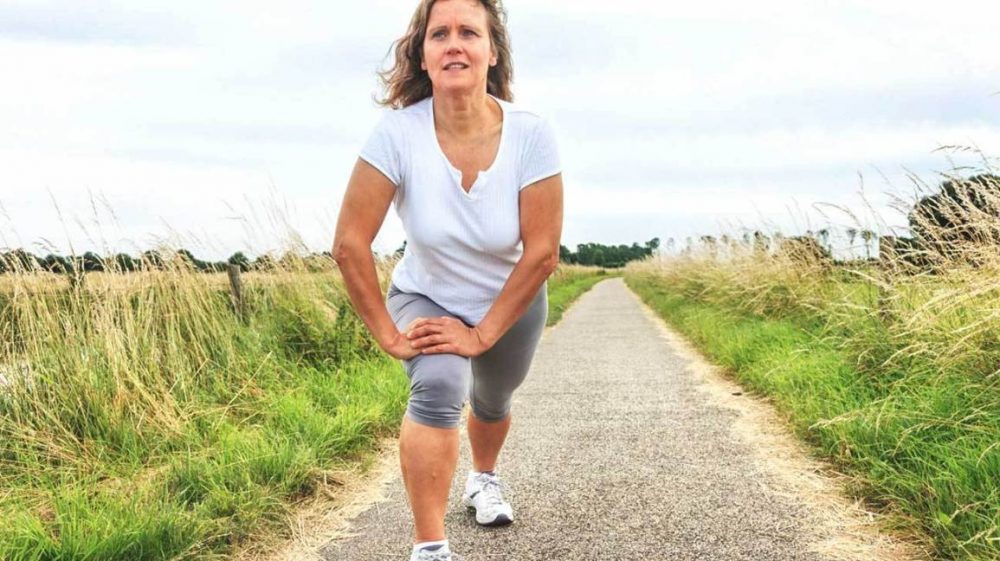
- Flexibility exercises like stretching to keep you limber- Stretching the arms and legs before and after exercising helps prepare the muscles for activity and helps prevent injury and muscle strain. Regular stretching also increases your range of motion and flexibility.
Remember, exercise offers your body many more benefits than just cholesterol control.
Warning
Stop exercising and rest if you have any of the following symptoms:
- Chest pain.
- Weakness.
- Dizziness or lightheadedness.
- Unexplained weight gain or swelling.
- Pressure or pain in your chest, neck, arm, jaw or shoulder or any other symptoms that cause concern.
Call your doctor or seek emergency treatment immediately if these symptoms do not go away quickly, or if such symptoms continue to recur.
Disclaimer
The Content is not intended to be a substitute for professional medical advice, diagnosis, or treatment. Always seek the advice of your physician or other qualified health provider with any questions you may have regarding a medical condition.