Correct food combinations are important for proper digestion, utilization, and assimilation of the nutrients in our diet. The principles of food combining are dictated by digestive chemistry.
Protein foods require a highly acidic environment for digestion while carbohydrates (starches, fruit and sugars) and fats require a more alkaline medium. Anytime 2 or more foods are eaten at the same time, and those foods require opposite conditions for digestion, the digestive process is compromised.
The most important rule, is this: Don’t mix starch foods with protein foods at the same meal.
Here are the principles of food combining one needs to adhere to:
 Eat starches and acids at separate meals :
Acids neutralize the alkaline medium required for starch digestion and the result is indigestion and fermentation.
 Eat carbohydrate foods and protein foods at separate meals :
Protein foods require an acid medium for digestion.
 Eat only one kind of protein food at a meal :
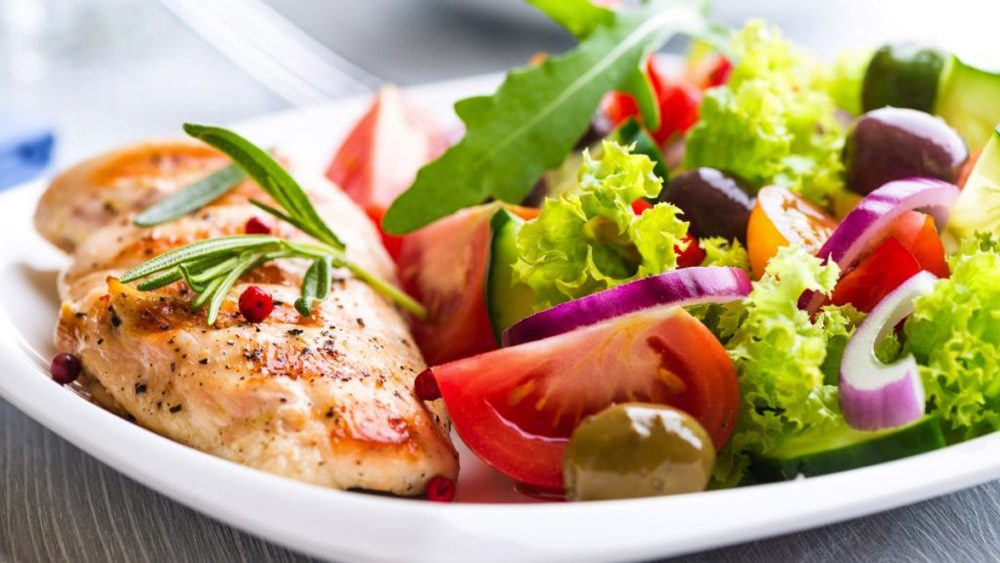
Although every food contains some protein, those regarded as protein concentrated foods demands the longest digestive time. They are held in stomach for some hours until the gastric juices has performed its task. This may vary from 2 hrs to 6 hrs, depending upon the complexity of the protein in the food. If the protein food is mixed with starch-concentrated or sugar-concentrated foods, it usually results in fermentation. This may lead to indigestion & gas in stomach.
 Eat proteins and acid foods at separate meals :
The acids of acid foods inhibit the secretion of the digestive acids required for protein digestion. Undigested proteins putrefy in bacterial decomposition and produces some potent poisons.
 Eat proteins and fats at separate meals :
Some foods, especially nuts, are over 50% fat and require hours for digestion. Fat in foods inhibits the secretion of gastric juices through the small wall. Thus when fat-concentrated foods are taken with protein foods, gastric catabolism will decrease by the degree of lipid concentration in the stomach. Fat will remain undigested in the stomach until gastric juices complete their work on the complex protein molecules.
Although all primary protein foods contain high concentration of fat, such lipid will be held in suspension, awaiting catabolism in the intestine, without impeding gastric action.
Free fats like oil, butter & milk tends to coat the gastric mucosa, thereby inhibiting its effort to secrete gastric juice.
Fat surrounding the fried foods is also regarded as free fat & it interferes with gastric catabolism.
 Eat proteins and sugars (fruits) at separate meals :
When ingested, all food are either acid or alkaline producers. Food comparatively rich in acid forming foods are generally high protein animal products. Whereas, fruits & vegetables are composed of alkaline forming elements. Consumption of proteins with fruits can interrupt the digestive processes of either or both types of food sugar and proteins consumed together can prove a dangerous combination.
 Eat starchy foods and sugars (fruits) at separate meals :
Fruits undergo no digestion in the stomach and are held up if eaten with foods which require digestion in the stomach. Any quick digesting foods – such as fruit – must wait until the slowest digesting foods leave the stomach before they can leave – a process which can take up to 6 or 8 hours. The starch splitting enzyme Ptyalin in the saliva plays an important role as the food is chewed.
It converts complex starch molecules into simpler sugars. Ptyalin requires neutral or slightly alkaline medium for proper functioning & this is the normal condition of the saliva in the mouth. However when acid foods are taken, the action of ptyalin is halted. It is therefore necessary, to avoid acid fruits in the same meal as sweet fruits or starches. Thus tomatoes should not be eaten with starches especially potato or bread.
 Eat melons alone :
Melons combine with almost no other food.
 Forget the desserts :

Eaten on top of meals they lie heavy on the stomach, requiring no digestion there, and ferment. Bacteria turn them into alcohols, acetic acids and vinegars.
 Smaller the number of courses, the better it will be :
A meal consisting of proteins, carbohydrates & fats may remain in the stomach for 6-7hrs before the stomach is emptied. If the carbohydrates are eaten without proteins, they remain in the stomach for relatively short period. A fruit meal remains in the stomach for even shorter time. It is advisable to eat these different foods at different meals- a fruit meal, a starch meal & a protein meal. The ideal practice is a fruit meal for breakfast, a starch meal with salad & non starchy vegetables for lunch & a protein meal with a salad & non starchy vegetables for dinner.
|
Food Table |
|
|
Proteins |
Nuts, seeds, soyabeans, cheese, eggs, meat, fish, yogurt. |
|
Fats |
Oils, olive, butter, margarine. |
|
Starches |
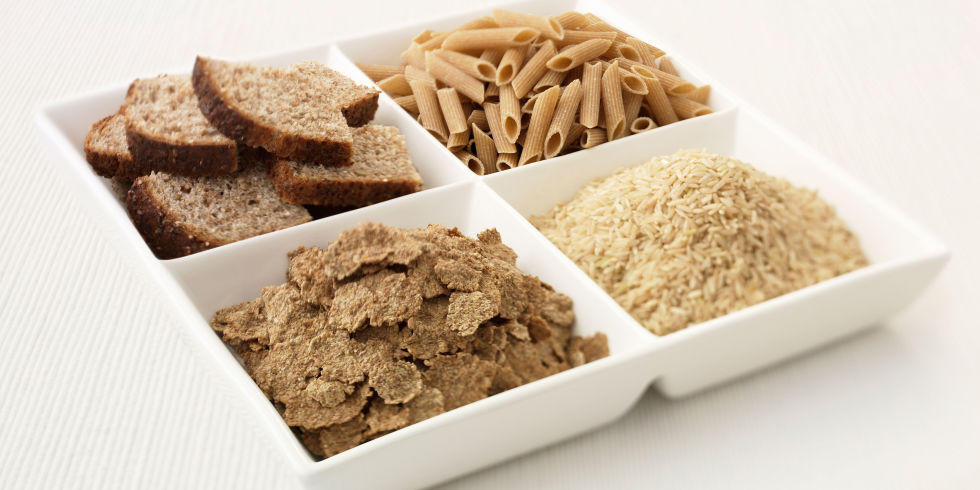
Whole cereals, peas, beans, lentils. |
|
Vegetables |
Leafy green vegetables, sprouted seeds, cabbage, cauliflower, broccoli, green peas, celery, tomatoes, onions. |
|
Sweet fruits |
Bananas, figs, custard apples, all dried fruits, dates. |
|
Sub-acid fruits |
Grapes, pear, apples, peaches, apricots, plums, guavas, raspberries. |
|
Acid fruits |
Grapefruit, lemons, oranges, limes, pineapple, strawberries.
|
In a nutshell, starches, fats, green vegetables & sugars may be eaten together as they require either an alkaline or neutral medium for their digestion. Similarly, proteins, green vegetables & acid fruits may be taken together as they require an acid or neutral medium for their digestion. But starches & proteins, fats & proteins & starches & acid fruits should not be eaten together, if the best results are required from the ingestion of the food eaten.
Disclaimer
The Content is not intended to be a substitute for professional medical advice, diagnosis, or treatment. Always seek the advice of your physician or other qualified health provider with any questions you may have regarding a medical condition.